SHOW NOW

SHOP NOW
SHOP NOW
SHOP NOW
SHOP NOW
SHOP NOW
SHOP NOW
SHOP NOW
SHOP NOW
SHOP NOW
SHOP NOW


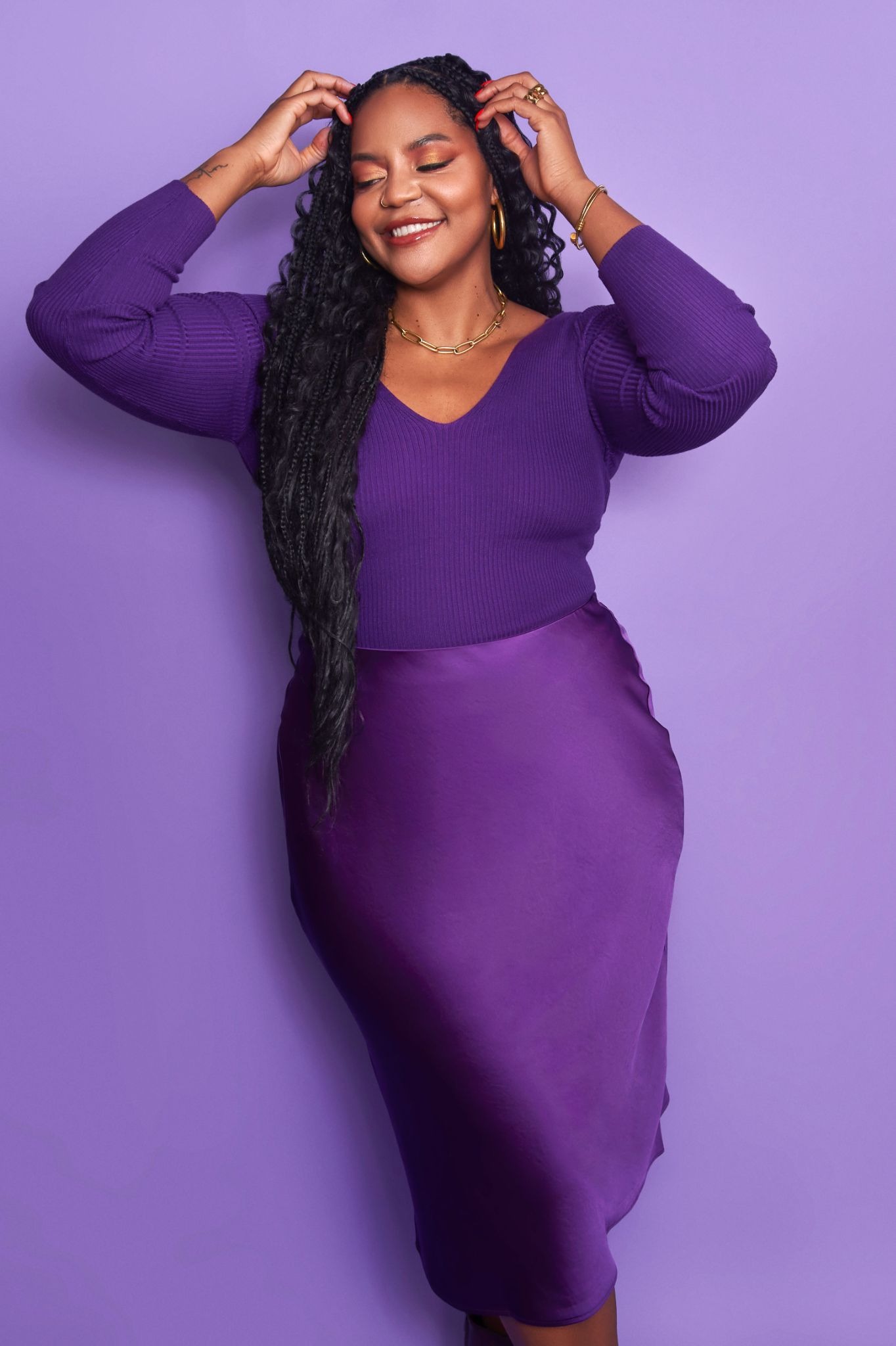
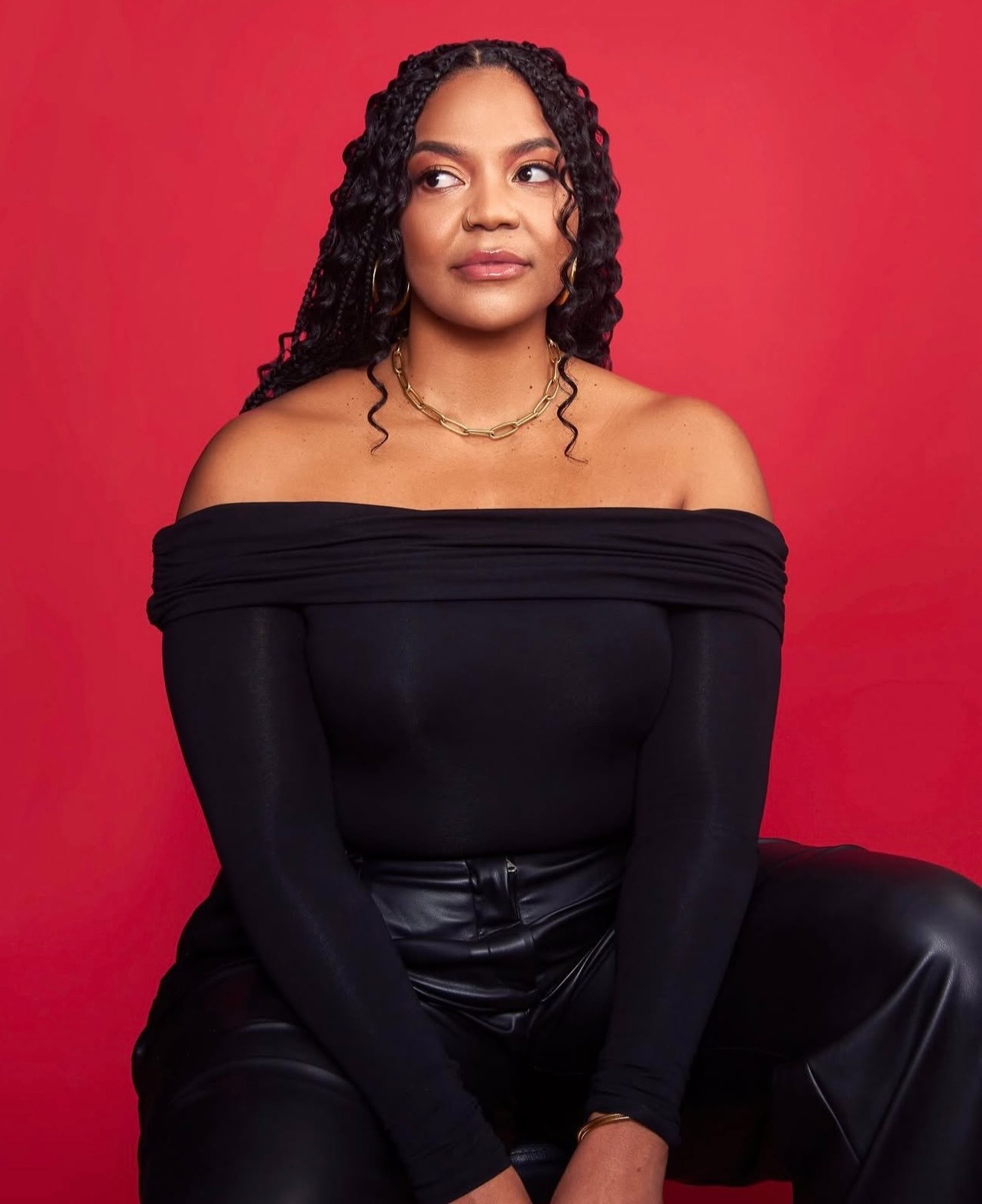
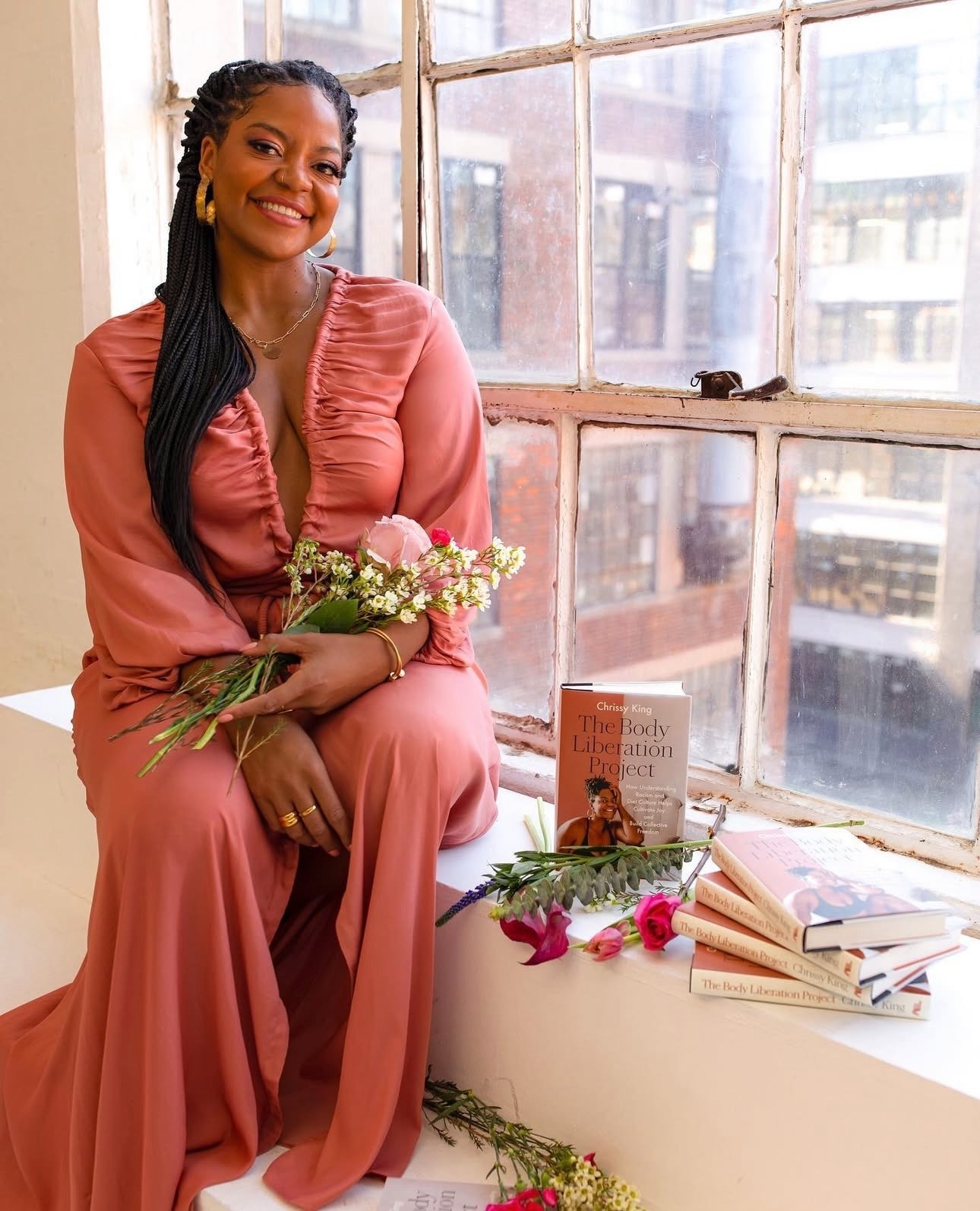
Chrissy King is a writer, speaker, and educator who is reshaping the conversation around wellness, identity, and liberation. She is the author of The Body Liberation Project, a groundbreaking book that empowers us to stop shrinking, take up space, and embrace the fullness of who we are. Chrissy is also the founder of The Childfree Coven, a community for childfree women and nonbinary individuals.
With degrees in Social Justice and Sociology from Marquette University, she merges her deep knowledge of systemic issues with her passion for wellness. Writing for platforms like Shape, SELF, and PopSugar, throughout her work, Chrissy helps us imagine and create spaces where every body across size, race, gender, and identity feel seen, welcome, and celebrated.
Follow her: Instagram | Website | TikTok
This interview has been edited and condensed for clarity by Solonje Burnett, Weed Auntie. Watch the teaser.
WA = Weed Auntie
CK = Chrissy King
WA: Can you tell us your name, preferred pronouns, and what you do for work/passion.
CK: Hi! I’m Chrissy King. My pronouns are she/her. And I’m a Brooklyn based writer, speaker and educator.
WA: There’s so much miseducation and stigma around food, fatness, cannabis and plants as medicine. Where did you grow up and how did your cultural upbringing inform your body image and plant healing curiosities?
CK: I'm from Milwaukee, Wisconsin, which is one of the most segregated cities in the Midwest. I was homeschooled until I was in the third grade, but I actually really liked it. Then I went to a private Christian school. I was the only Black girl in my class. There were only two other Black people in the school, my brother and my sister. I was also 5'8" in the third grade. I was taller than my teacher. I was Black, I had kinky, curly hair. Everyone else was short, petite, blonde, brown hair, blue eyes.
That really informed my body image in a lot of ways because I felt like, "Well, if I'm gonna be tall, then I should be tall and skinny." I wasn't definitely getting those messages in my home but I also grew up in the 90s, the age of the Top Model and Tyra Banks and Naomi Campbell. From a very young age, I was hyper-concerned about being the thinnest version of myself.
I couldn't change the fact that I was really tall and that my hair looked different from other people's. The one thing I felt like I did have control over was how thin I could be and being the smallest version of myself.
I just didn't see a lot of representation of people who looked like me in mainstream media. And so I spent so much of my time just trying to shrink myself, to be the smallest version of myself to assimilate. I didn't even understand the ways in which I was just trying to assimilate into white culture. It took me a long time to unlearn that.
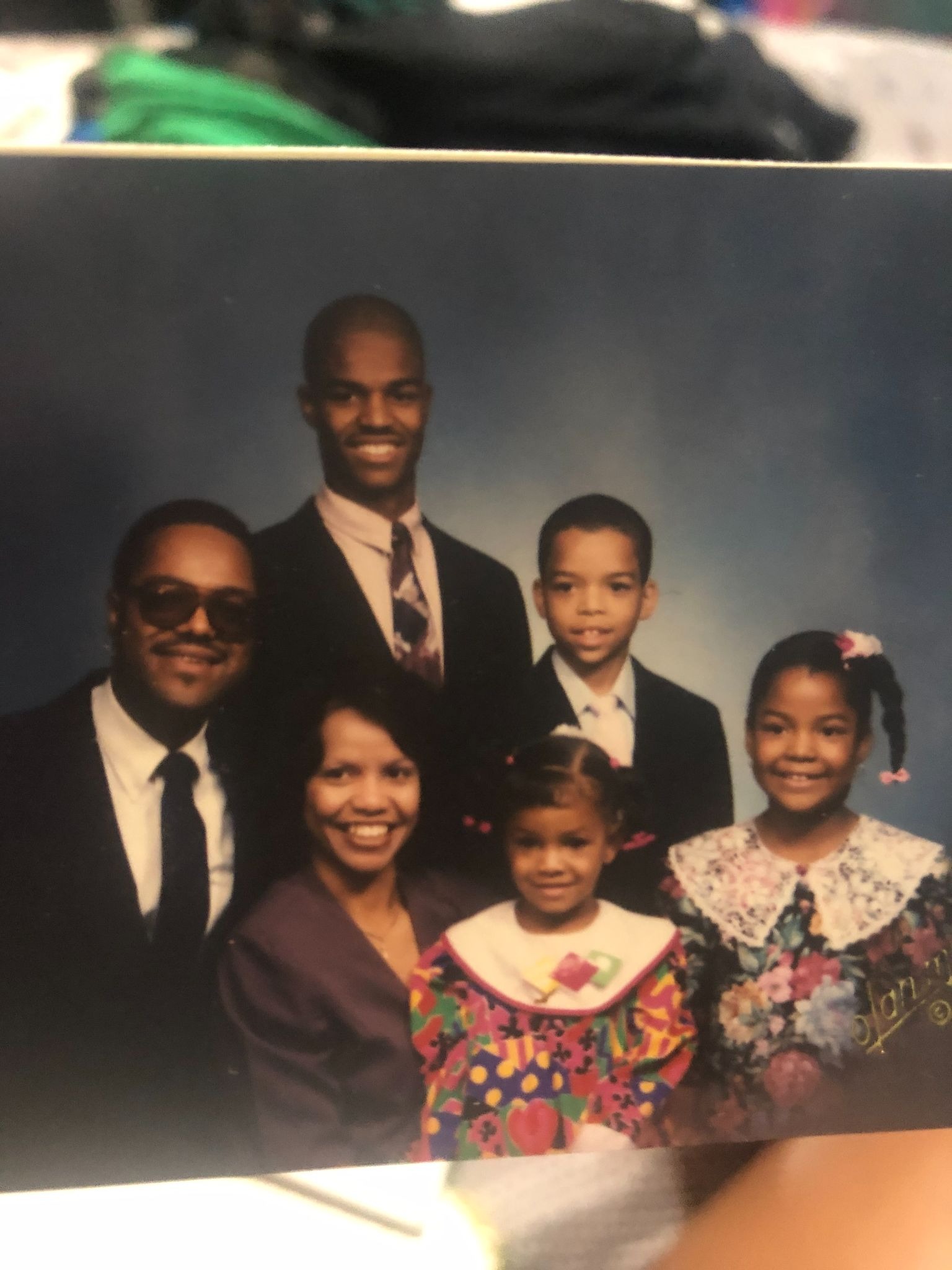
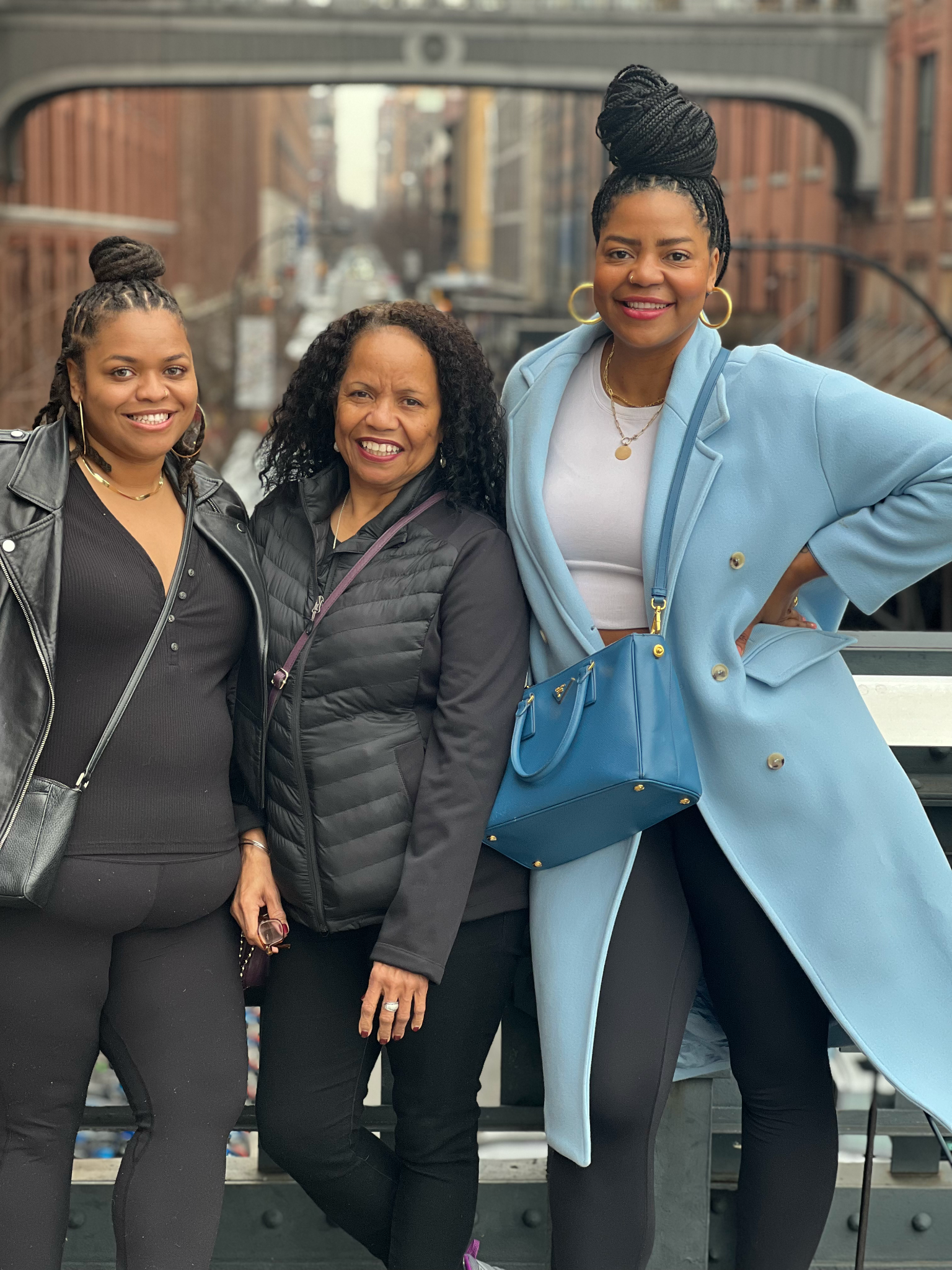
When it comes to weed, I grew up in a super Christian home. I'm talking about my mom was Christian, like Christian,, Christian. She went to church multiple times a week, Sunday morning, Sunday night, Wednesday night for Bible study, Friday night for something else. We were always in church. And so my views on weed was that it was the devil, essentially. My mom was like, it's a gateway drug. Once you start smoking weed, you're going to be smoking crack.
It's so wild because so many things like religion informed so much of my upbringing that I had to really deconstruct. My mom is still very much anti-weed. If I even told my mom I smoked weed, she would be praying all night long. She would be so concerned about my well-being. Growing up with religion, it really gave me so much shame about my sexuality, my relationship with weed, with alcohol. I really have actively had to deconstruct.
WA: you say that you spent the majority of your twenties focused on shrinking — “my body, my voice, and my entire life in general.” What were you hiding and what sparked the shift to finding your power literally in lifting.
CK: Oftentimes weight loss is a low-hanging fruit and it feels like the one thing you can control. There were all these other factors in my life that felt too big to address and weight was a thing that I could control and I could focus my energy on.
As I started to heal my relationship with body image, I got into lifting and I saw that my body is also strong and powerful and has so much utility besides being an ornament for decoration. Then I realized that I'm actually still the same person, just in a smaller body. I'm not going to say this is going to happen for everybody but when I got to that place, I left my marriage. I left my corporate job. I moved across the country eventually.
I was basically a child bride. I got married when I was 22. We started dating right out of high school. I was married for 11 years.
I would use my weight to control all these bigger things I was not ready to address yet. I think a lot of people do that because those big things are scary and weight seems way less scary.
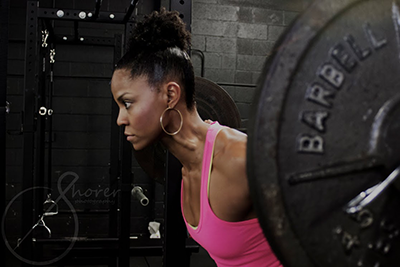
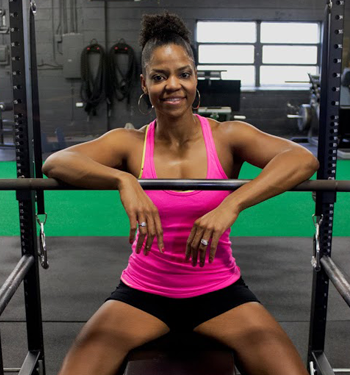
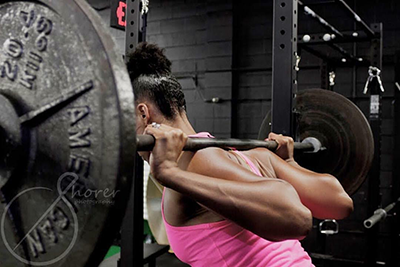
WA: Much of what you were trying to control in your personal life was through controlling weight. Do you think this is culturally prevalent across all women, and how does it affect Black women combating stereotypes and being accepted socially?
CK: I do think that plays into women in general in a lot of ways that I don't think we always think about. Weight loss, especially now, it's so hyper normalized. It feels like everybody's doing it. When I stopped focusing so much energy and attention on weight and fat loss, I had all this time to think. And that sometimes was scary, right? Because now I have all this free space to examine my life. Sometimes a lot of us are running from that, hiding from that or don't like those moments of silence when we're forced to think about things.
I used to work in a corporate job. There were microaggressions. Trying to be perceived a certain way, making sure you're not coming off as an angry black woman.Being a smaller woman will inevitably be a way to feel less overbearing, less aggressive because of the stereotypes in the world.
For black women in particular, getting smaller oftentimes feels like a means to feel safe within your body, safe in your workplace. One thing I talk about, especially for black women in weight loss is that I also am very understanding of the desire to wanna lose weight as a black woman, because for anybody actually who has multiple marginalized identities, that feels like it's really hard to exist in the world anyways. Maybe being thinner feels like one way that I can feel privileged or less marginalized in a world where I'm facing all these other things.
There's a lot of statistics around being in a larger body in the workplace. You're less likely to get a promotion. You're less likely to make as much money. There's all these actual real systemic issues so I do have a lot of compassion and understanding.
WA: What was your corporate job?
CK: I worked for the federal government in the Department of Veterans Affairs in a management role. I was there for 10 years. I left that job because I became so uncomfortable. I got hives every day and I literally physically could not do it anymore.
WA: How did you start power lifting? Did you compete professionally? Tell us the story. Did that mean testing and no weed?
CK: I got into powerlifting kind of by accident. I got into lifting weights in general when I was really deep in diet culture and just wanted to be a smaller version myself. I started strength training. And at first I actually hated it. I was like, this is the worst thing I've ever done. I actually stuck with it because I had bought a training plan. I had 20 sessions. I was like, well, I spent my money, but by the end of it, I really enjoyed it. And so I kept training. I started seeing that my body was actually getting stronger.
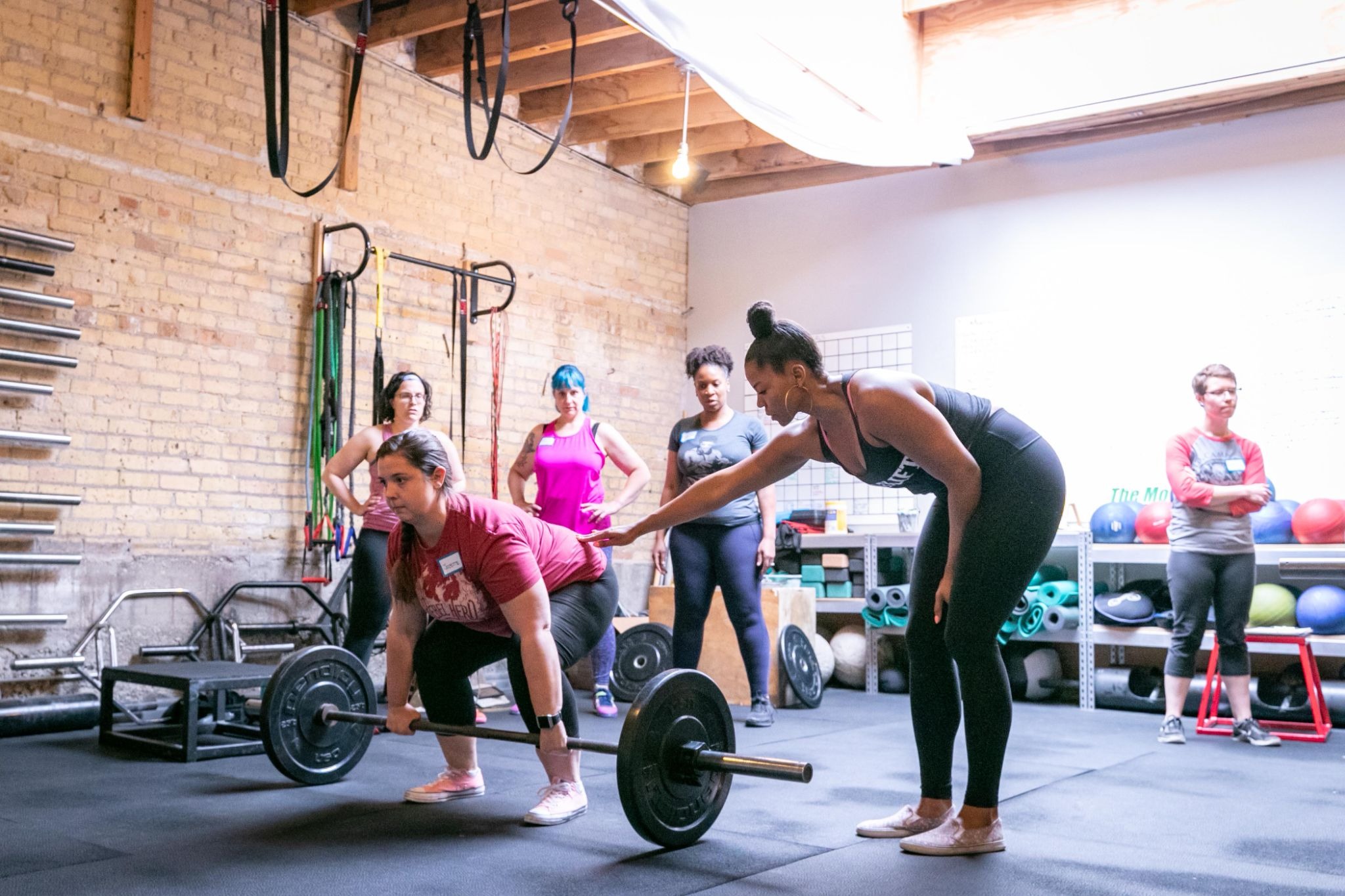
As a kid growing up the narrative in my family's life was that I was the weakling and I was fine with that. Some people are strong, some people are not... I'm not. Then I realized strength is a skill just like any other skill that can be developed.
Then I started really having fun. I was working out with this trainer and her boyfriend opened his own gym so I followed her to this gym. He was into power lifting.
WA: Did you compete professionally?
CK: got into powerlifting kind of by accident, actually. I had been strength training with this woman, and I was growing to like it, really enjoyed it. Her boyfriend opened a gym. So I left from the commercial gym I was with and followed her to the strength training gym. There I saw people powerlifting, which is like deadlifting, squatting, benching. I had never really seen that. What really was fascinating to me is there were lots of women powerlifting with him. And I was like, wow, that's really cool.
They broke up. And my trainer just, like, ghosted me. Like, completely ghosted me. I reached out to him because I needed a refund for the last month. He apologized and offered to train me in power lifting. He thought I would like it. And I did. I fell in love with it. I just loved it so much.
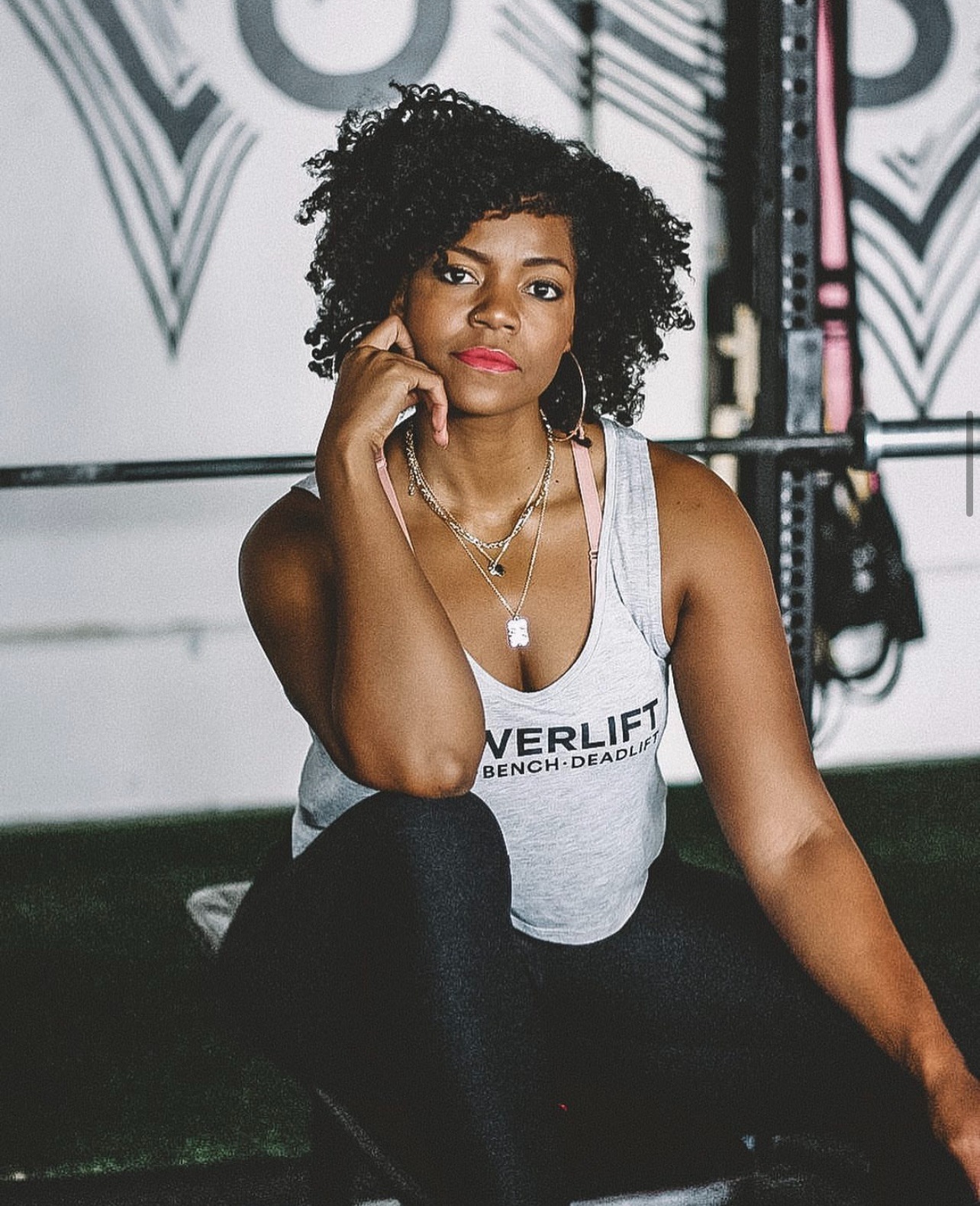
I started getting stronger. And so I decided to enter my first competition. I was absolutely the only black woman competing. But I won my first competition. And I kept lifting over the years for like several years. I got really, really strong. I'm super proud of it. Like I deadlifted 405 pounds. But in competition. I've squatted over 300 pounds. I've bench pressed 200 pounds. I don't do as much powerlifting anymore because it's also really time consuming to train for powerlifting.

WA: Did that mean testing and no weed?
CK: I was not partaking in weed. I was in my late twenties and I had not even started engaging with weed at all. I was still very much like, oh, I don't know if that's a good idea. And I also will say that like, again, like so much of my deconstruction work has like really been thinking about drugs in general.
My dad had a really bad relationship with opioids so I have a lot of trauma around that. There was always this idea that if I just started, somehow I'm going to end up like that. It took me a long, long time until I really realized those aren't the same things and I don't have to be concerned about that. So it wasn't even then when I was lifting, I wasn't even concerned about that yet.
WA: How do you integrate cannabis, adaptogens or other functional wellbeing products into your wellness practice?
CK: Now I feel like I've had years and years of experimenting and doing what feels good for me. Now it kind of goes in cycles, which feels good for me. If I want to partake, I do partake. And then sometimes I'm like, nah, I'm okay right now. During the pandemic, I was definitely partaking daily. Now it just kind of I go with what feels good to me. I've been using a lot of weed for sleep lately because I just need to get through the night. It's been very helpful. I do use adaptogen some days. A lot of times during the day, especially to focus on writing. Winding down in the night is really helpful too.
It really just depends on how I'm feeling, you know, and what I feel like I need at the time.
WA: Powerlifting changed the narrative for you that weight loss = happiness. How did you go from individual self love/care and betterment to centering community healing, education and acceptance?
CK: Going through my relationship with body image and like diet culture, learning to feel at home and safe in my body was really transformational for me. I just started sharing about it with other people because I knew that I was not alone in that feeling. I knew that I was not the only person that's had that experience.
One of the reasons I wrote my book is because a lot of women, actually people of all genders but particularly for women, that's the final frontier. It's like you've healed all these other parts of yourself and the relationship with your body seems to be the thing that is still lingering. I wrote my book with the hopes that a lot of people will feel seen and understood in reading the words. And that also would help them move towards a more healing and liberated body experience.
WA: What closed that chapter of your career and how did your work as a fitness and strength coach, and a powerlifter lead you to Body Liberation?
CK: It was like a gradual thing. I don't think I ever intended to stop training. I started not having the capacity to do both and so I slowly phased out of doing strength. Sometimes I miss it, sometimes I want to go back and maybe I will someday. My work shifted and I just did not have the time, the capacity to do both. I passed on a lot of my clients to other people. I was doing virtual training before 2020. So that was kind of like something I was already doing. So it's just like a natural progression.
WA: You’ve talked about dating in a larger body. As your physique changes post lifting have you noticed a difference in how you’re approached when dating?
CK: I don't necessarily think I've seen a difference in how people approach me. I honestly think that no matter what body you in, there's a man out there that is going to be looking for you. No matter what your body type is. I will say the thing that I approach differently about dating when I am dating is that my body exists however it exists. That's always got to be at the forefront of it. If you have a problem with how I look now, I'm not the right person for you.
And I also don't diet. I'm not trying to change my body. This is what it is and who knows what's going to be next year. You just have to be okay with that.
WA: For those not hip to the verbiage? What is body liberation? And how does it connect to white supremacy in wellness and diet culture?
CK: A lot of people are more familiar with the term body positivity. I think that was one of the first terms I actually learned when I was trying to heal my relationship with body image. The thing is, the original body positivity movement was founded by Black and Brown women because they did not see themselves as represented within mainstream beauty, but also is very heavily rooted in social justice.
Over the years, body positivity has become really co-opted, right? If you just look at the hashtag body positivity on Instagram, you're going to see a lot of thinner white women talking about not liking the cellulite or not liking their hip dips or not liking their arm fat. One key difference that people need to understand is there's a very big difference by having a personal body image issue. I don't like something about my body. That's very different from living in a body that is systemically oppressed. That's a really big difference that people have a hard time making that connection on.
So body positivity is not just can I look in the mirror and like everything I see? Number one, that's probably not realistic. But number two, that that lacks all of the depth of like social justice and the reality that everybody should be able to feel safe and exist in their body free of harm.
Body liberation is about recognizing that our body is literally just a vessel that's allowing us to have this human experience. Moving beyond that it's about how are we creating a system that allows for people of all shapes, sizes, race, gender, sexualities to feel safe in our bodies. Be able to exist in our bodies free of systemic harm. This goes beyond just making fat phobic jokes on tv which is a problem by the way but we're talking about more systemic issues like can people in larger bodies fly on an airplane safely. Is there a seating accommodation? Can they find clothes in their sizes?
So liberation is more than just about a personal idea system. It's about a value system of collective liberation.
WA: Three years ago you put out your book The Body Liberation Project, how was that experience and do you think it would be received the same way today?
CK; It's such an interesting question. Writing a book is beautiful and amazing, and also treacherous at the same time.
I love that I had the opportunity to write a book. It's something that I wanted to do. I didn't expect it to happen when it did. The cards fell. I had the most untraditional and easy traditional publishing path of anybody I've ever met, and I'm really grateful for that. Just going into a bookstore and seeing your book is a wild experience.
Even now, you just told me that you saw the book at the bookstore, and I'm like, oh my gosh. It's an incredible feeling.
When you first do this, it's really scary, because you put so much into it, and then it feels very vulnerable. People are going to read it, and they're going to have opinions. And some people are going to love it, some people aren't going to like it, and I think that's what I have. The best advice that I ever got from another author is don't read the reviews, because people are going to love it, people are going to hate it, and that's with anything that you create.

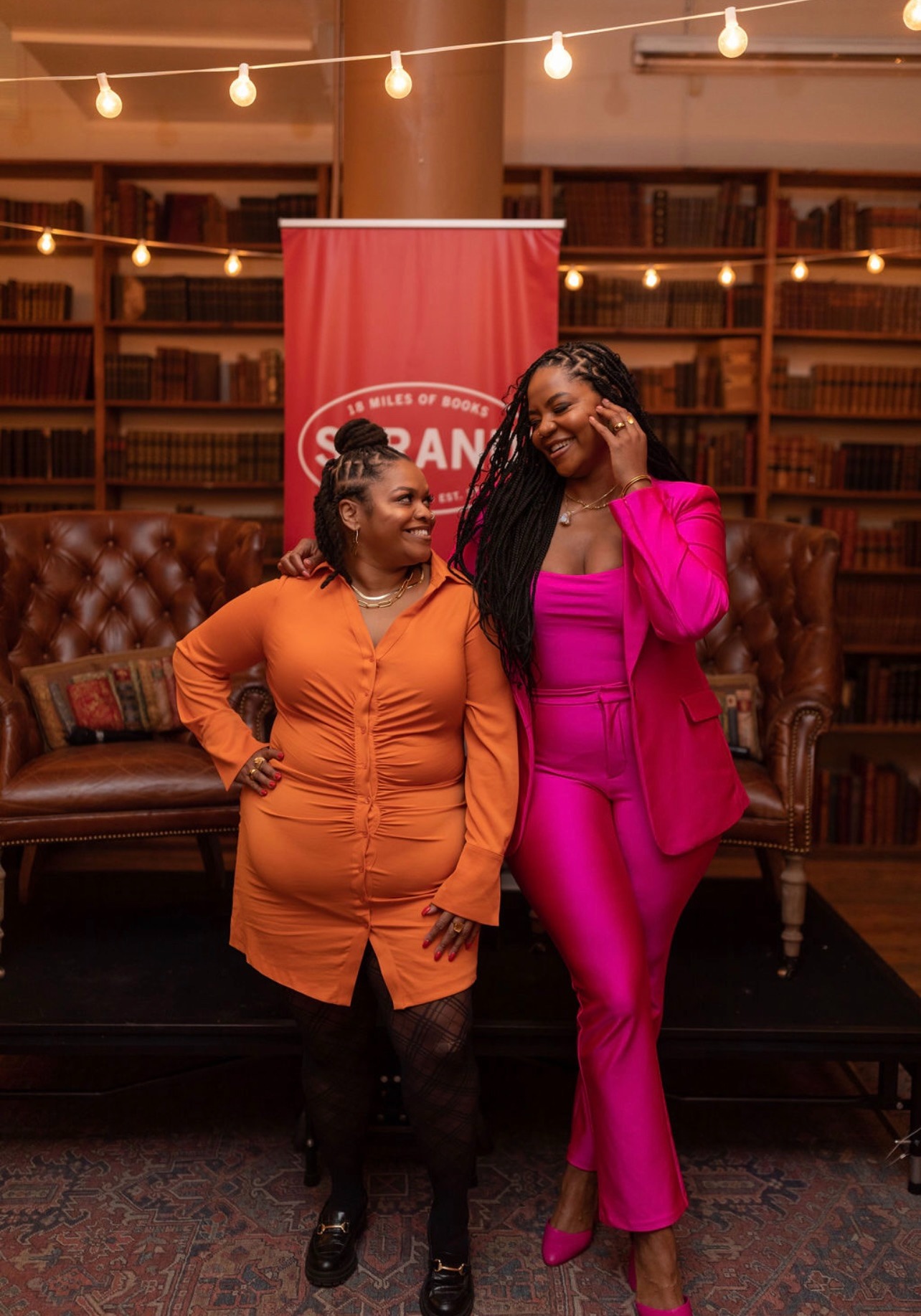
If the book was released today, do I think it would have the same reception? When I was writing the book, I started writing in 2021. We were really in a place of increased body inclusivity and diversity, and we were also the head of anti-racism, and people were really receptive.
I actually was like, I don't even know people need this book anymore, because everything is going in such a positive direction. People are getting it. Then by the time the book came out, the tides were turning, and even now, it's a complete 180.
And I don't even know if the publisher would want to publish that book right now. It talks so much about body image, it talks about white supremacy, it talks about racism, it talks about the ties. The way that we think about bodies are so intertwined in racism and white supremacy.
I don't even know if I could publish that, or like a publisher would be interested in that today. The climate socially has just changed, you know, we’re in the age of Ozempic. Am I here to say people should or should not be using it? That's not the point. But I think that we are in a place where people are so hyper-focused again on being the thinnest and smallest versions of themselves. It's just completely different.
It's a different time now.
WA: Speaking of liberation, as a child free auntie, I noticed you recently started the child free coven for babes like us. What sparked this idea and what’s the plan because I’m so in!
CK: I oftentimes take it for granted that I live in New York. There are so many child-free people here! I have so many friends who are child free. I would talk to friends in the Midwest or other places and they seem so lonely being child free and I forget that I'm living in a place where this is very normal.
But when I go home, that's not the norm and people feel very isolated. They feel very left out. They’re lacking community. Sometimes it can be really hard if all of your friends around you are married and growing families. Kind of going in different directions. It's not that you don't have time for each other anymore, but it's just not the same. People are seeking community with people that are similar to them. That's why I decided to start it.
I decided that I was going to be child free. That's actually why I got divorced. There sometimes are really difficult courageous decisions that you have to make to be living the truest version of yourself. I just want people to feel supported in their decisions.
The plan is to first start with virtual events and eventually in-person meetups. We'll have retreats or trips.
WA: did you ever psychologically or actually pursue motherhood?
CK: I actually always thought I was gonna have kids. I actually did. You know, some people say, "I just can't wait to have a baby," or "I'm really excited about motherhood." It was never like that for me but I just thought that you get married and then you have kids. Like, it just seemed like a natural life progression, nothing that I ever even considered.
My ex and I, before we got married, we decided we were gonna have four children. Now, mind you, 19-year-olds cannot decide (laughs) how many kids they're gonna have. I'm also from a family of four so I'm like, "That seems like a good number," you know. So I did in fact commit to that, and then as we got married we didn't plan on having kids right away, 'cause again, we were 22. So it was like, it'd just happen later. But then as it kept getting later I was like, "Well, I don't know, maybe three. Well, maybe two."
I remember (laughs) having this conversation with my ex, and we were almost 30, and neither one of us had brought up starting a family yet. But it just came up in conversation. He's like, "Yeah, we're gonna have four kids." I'm like, "Wait a minute. You still think we're having four kids?" And he's like, "Well, yeah, why not?" I'm like, "Well, we haven't had one yet. Why would we be having four?" And I was like, "I could maybe commit to one." And he's like, "One?" And I was like, "Yeah, maybe." Like, "I could maybe commit to that."
Then we really had to have some really hard, difficult conversations because the more I thought about it the more I recognized I really did not desire to be a mother. My sister had my nephew when she was 18, so I was like 20 at the time. I was very involved in his life growing up and I helped her so much, but I also saw firsthand everything that goes into mothering. And I was like, "Oh, yeah, like, auntie is actually more than enough for me." (laughs) So we had to make the decision that he really wanted to be a father and I think that he should definitely pursue that, but I just could not in good conscience say that I wanted to pursue motherhood. We ended up getting divorced.
WA: Being child free for me allows home weed indulgence in any form at any time. How was your relationship to cannabis and/or plant medicine shifted or evolved? What are your go to’s for relief and relaxation now?
CK: Honestly, I love resting. I've been resting so much. I've been resting. I really love reading fiction. I read fiction a lot. I also love crocheting as of late. I think just leaning into what I need at the moment. And I think one of my favorite things about being child-free is I do not have to worry about caring for someone else in that capacity.
And I have days where I just don't have it. That means I'm just going to lay on this couch and do nothing. Take care of myself in the ways that I really need to or have a girl dinner because I'm like, I cannot cook anything right now. So sometimes I was going to have popcorn and a glass of wine and we're going to call it a night, you know?
It's really just allowed me the space, the capacity to take care of myself and the ways I need to take care of myself. As a child, I always felt like a lot of responsibility because of family dynamics. I always felt a lot of responsibility. I kind of feel like I'm mothering my younger self in a way by taking care of myself in ways that feel good, resting, allowing myself to have fun and just be playful.
WA: Speaking of popping edibles and getting NASA, who would be in your dream sweet sesh? Queer icons, people who are living, deceased, whoever.
CK: Oh, my sister. My sister. For sure my sister, number one. We're really close. She does not live herel but we talk literally every day on the phone multiple times a day. So, I always wanna ki with my sister, hang out and get elevated with her. It's always a fun time.
And honestly, any of my girlfriends. I feel like I'm really blessed to have wonderful girlfriends and be in community with wonderful girlfriends and have fun. Any of them. I'm just like, "Let's just hang out at the house, have a little edible, and just relax and have fun."
I don't really care about celebrities that much but if you're talking about writers I love Audre Lourde, bell hooks, but I don't know, they feel like my elders, so I'm not really sure if that's the vibe. Do you get what I'm saying? But maybe they would want to.
WA: What’s your favorite thing to do high?
CK: Oh my gosh. Honestly, my favorite thing to do high is come to the park on a nice day with a blanket and read my book and chill out. It's like the perfect afternoon to me. (laughs)
WA: So do you have anything coming up that you want to share with community, any workshops or events? And if not, what are ways folks support you?
CK: Um, I would tell people to follow me on Substack. I have two Substacks; Liberation Collective, and obviously the Childfree Coven. Um, I do most of my writing there and I would love you to join my community there. And then also I am on Instagram technically. I don't be posting on there a lot but I do be on there sometimes and that's @iamchristieking, and same for TikTok.
WA: Thank you so much Chrissy!

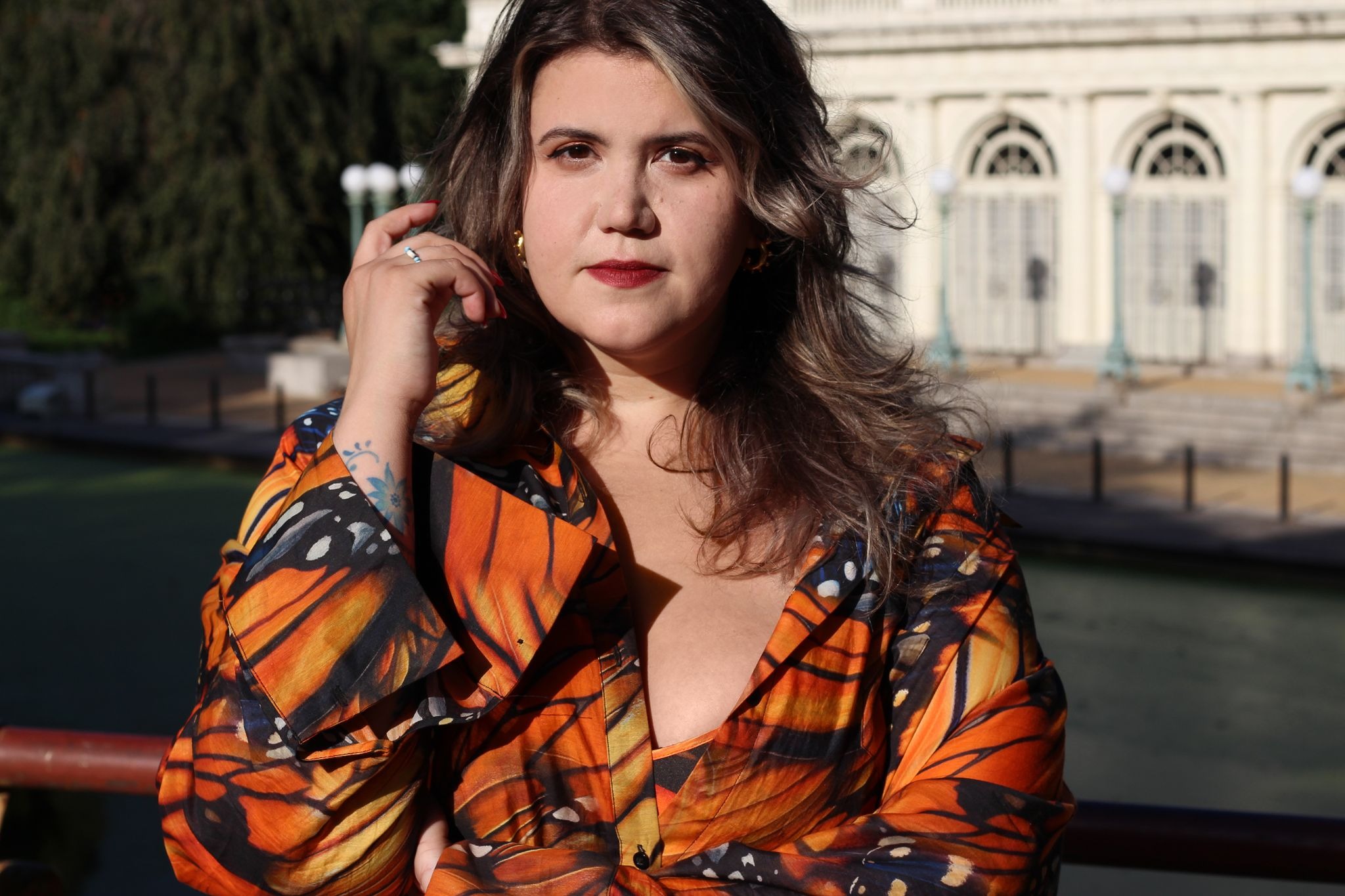
Today marks the beginning of Latine Heritage Month which runs from September 15 to October 15. As a brand whose founder has roots in Mexico and Puerto Rico, we’re proud to highlight the culture and contributions of others throughout the diaspora.
Whether in the Bay, Brooklyn or beyond, they’re bringing the sabor to the people. From restauranteurs, healers and comedians, to plant medicine providers, activists, artists, and editors, they’re proudly celebrating by centering the culture and community.
Give them a follow and support their work!
SASS is a Brooklyn-based functional adaptogenic and low dose hemp confectionery and wellness brand creating premium infused chocolates, gummies, drinks, and sensory activations rooted in pleasure and community. Our expertly dosed fine products are vegan, gluten-free, made exclusively with the freshest ingredients and locally sourced botanicals. Founded, led and staffed by queer folx, women, and the global majority. We started SASS to celebrate the unique allure of plant medicine by handcrafting treats that work with their flavors and effects instead of against them.
Location: Brooklyn, NY
@cultivate.sass | sassbk.com
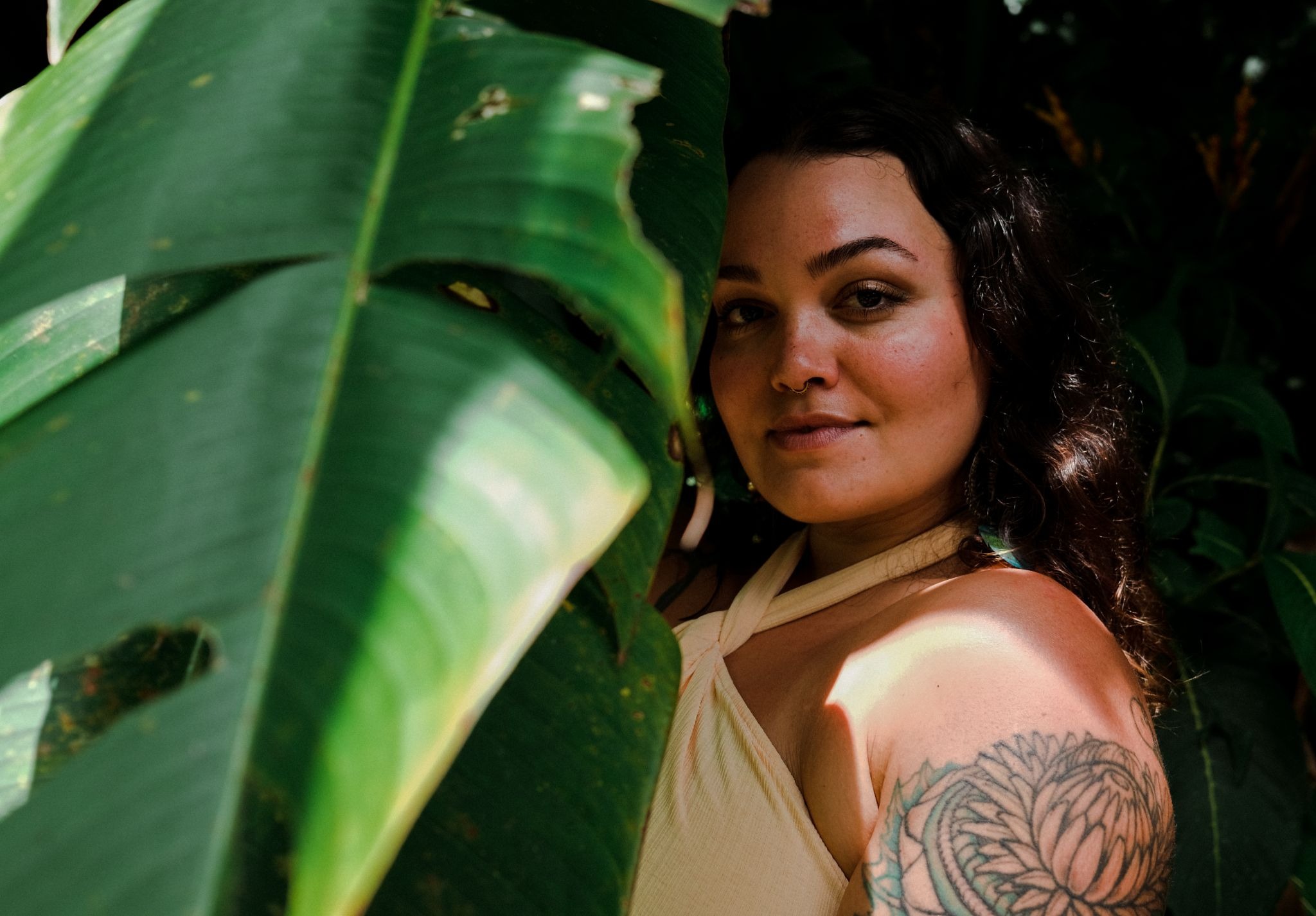
Yabisi Centro is a modern botanica and school rooted in ancestral plant medicine, ritual and the healing traditions of the African and Caribbean diaspora. Our apothecary offers handcrafted herbal medicines and ritual tools—from Smoke or Steep blends and flower essences to tinctures, ritual oils, microdoses and altar goods—created to support protection, embodiment, remembrance and connection. Through our medicines, classes and School of Remembrance, Yabisi bridges ancestral wisdom with practices for tending the body, spirit and everyday life.
Location: Bronx, NY
@yabisi_centr0 | yabisi.co
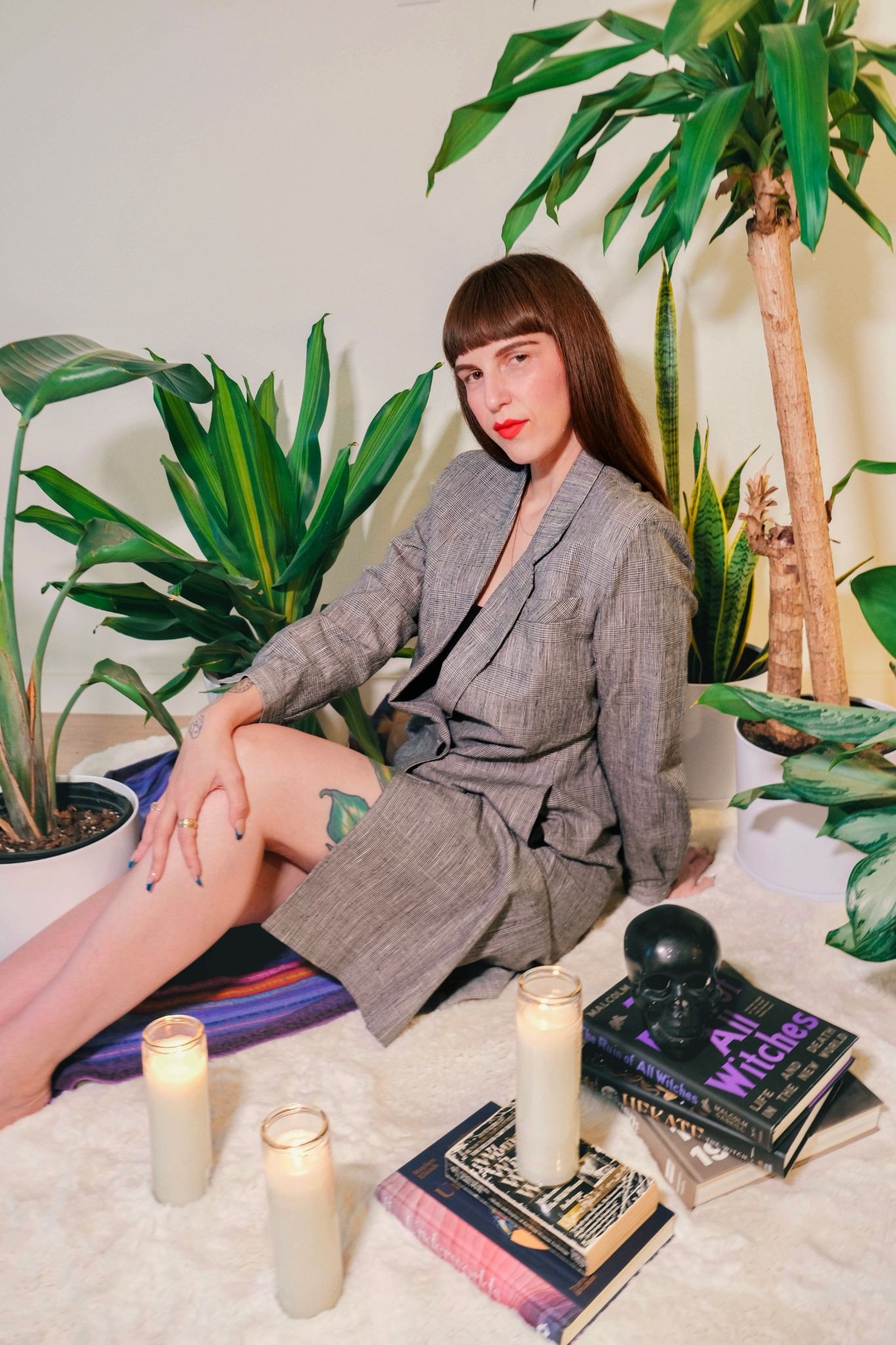
Riobamba is an Ecuadorian-Lithuanian sound artist, death doula, and cultural activist. Her interdisciplinary practice is grounded in ancestral veneration, bone-deep listening, and presence with seen and unseen worlds. As a DJ, Riobamba’s rowdy, bass-heavy live sets reflect back queer diasporic nightlife’s power as a site of joy and resistance, amplifying connective tissues between YouTube clips, bodega soundtracks, and noise hyperreality.
Location: Austin, Aquí, Allá
@riobambaaa | riobamba-dj.net
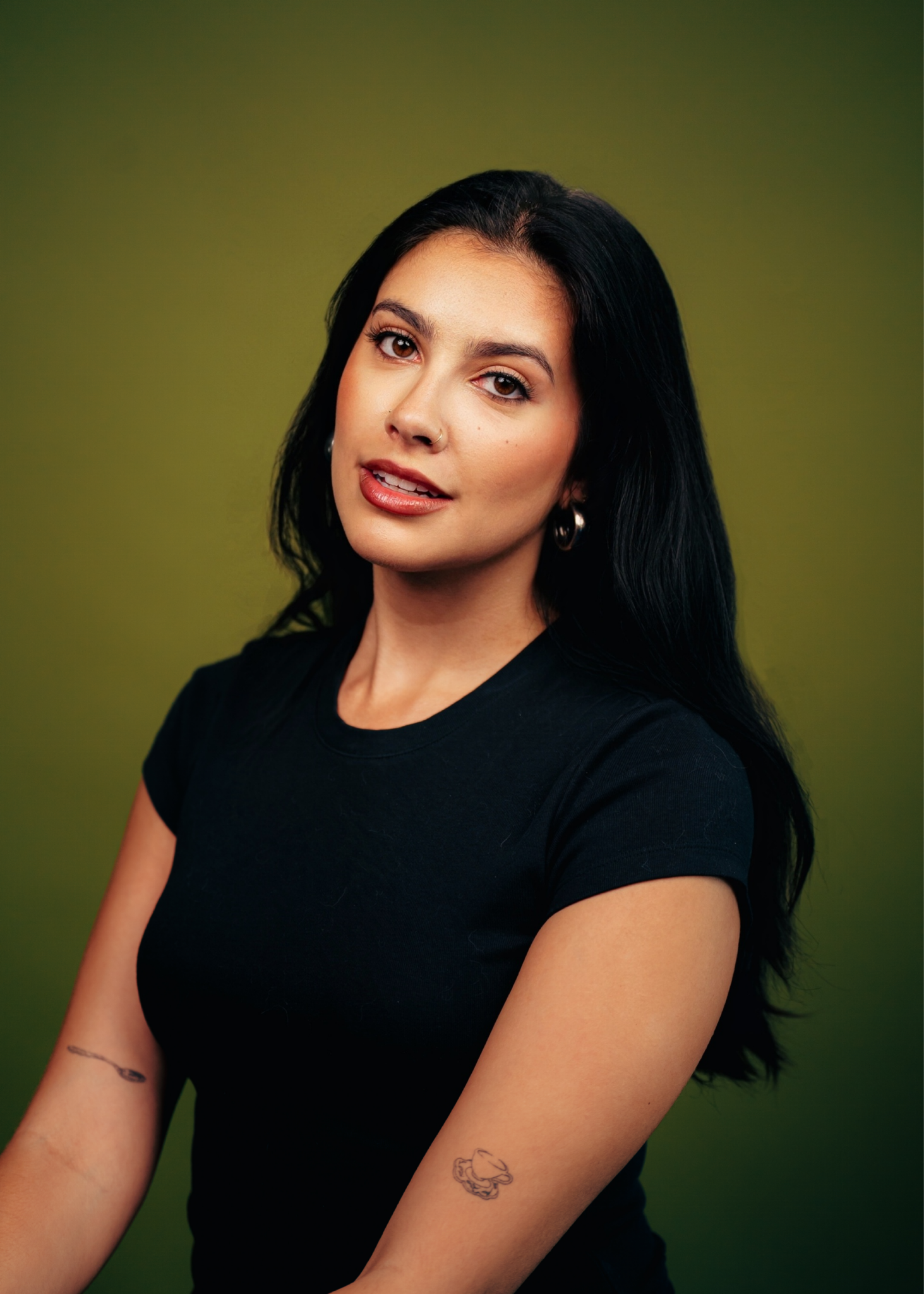
Hot Girls Organize (formerly known as Hot Girls for Zohran) is a women-led nonprofit empowering young people to participate in political organizing both locally and nationally. HGO leads with community, meeting young people where they are most comfortable and cultivating a safe space that allows them to develop as both individuals and organizers. Through engaging events, accessible content, and meaningful partnerships, HGO seeks not to bring culture into politics but to shift culture itself towards action + inclusivity.
Location: Brooklyn, NY
@hotgirlsorganize | hotgirlsorganize.com
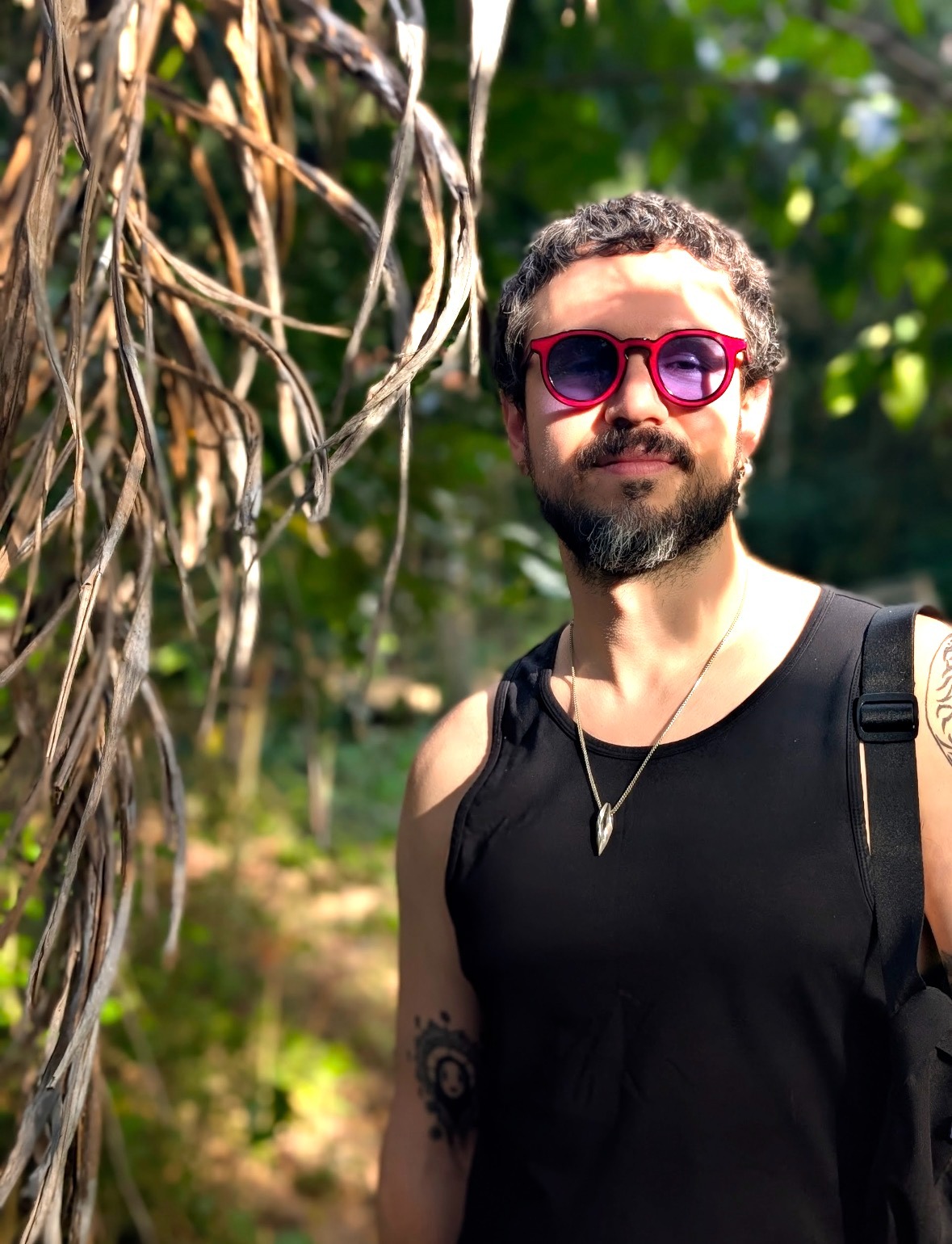
The Other Magazine is New York's leading lifestyle & culture publication covering cannabis culture, psychedelics, wellness, music, art, and travel across NYC, Long Island, and the Hudson Valley. Launched to be a definitive voice for the regional cannabis community, it is distributed across licensed dispensaries throughout the area and publishes seasonal print issues alongside daily digital commentary.
Location: Brooklyn, NY
@theothermagazines | theothermagazines.com
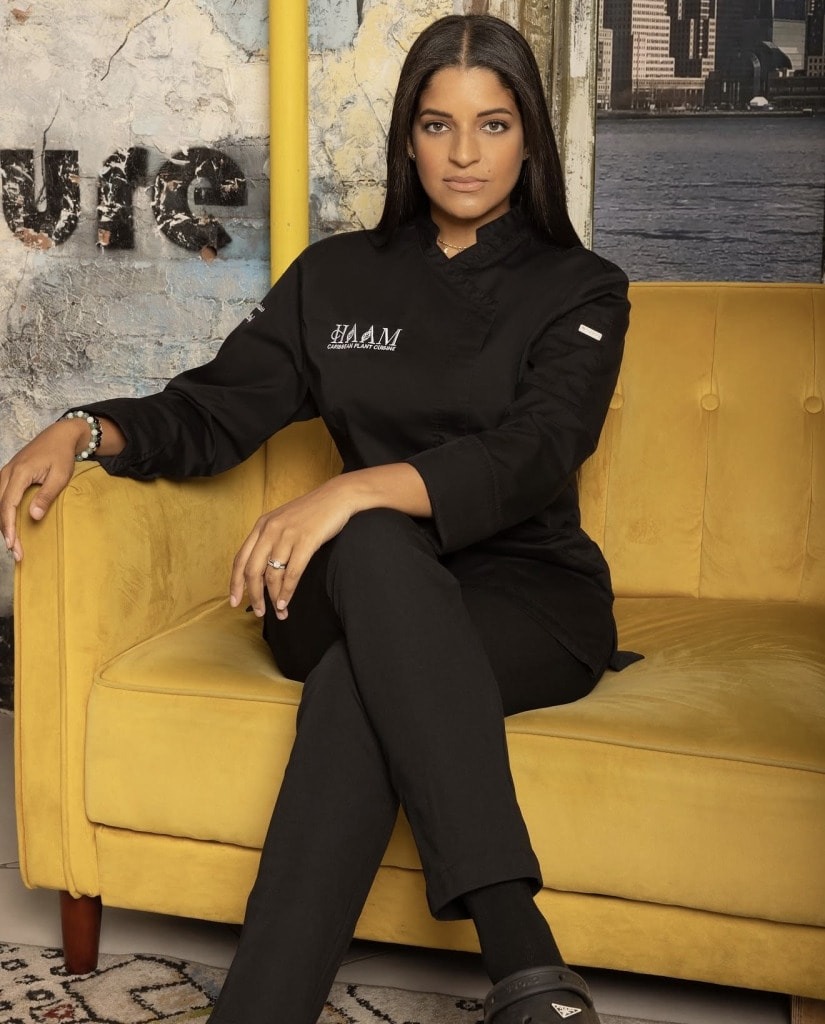
HAAM Caribbean Plant Cuisine (Healthy As A Motha) is a Brooklyn based restaurant founded by Dominican-American Chef Yesenia Ramdass, born and raised in Washington Heights. Rooted in her Dominican heritage and influenced by the Trinidadian culture she has embraced through her husband and children. HAAM reimagines Caribbean dishes, spices, and nostalgia through a modern culinary lens. HAAM is a celebration of culture, flavor, and the stories passed down through food. Created for us, by us.
Location: 234 Union Ave, Brooklyn, NY 11211
@healthyasamotha | healthyasamotha.com
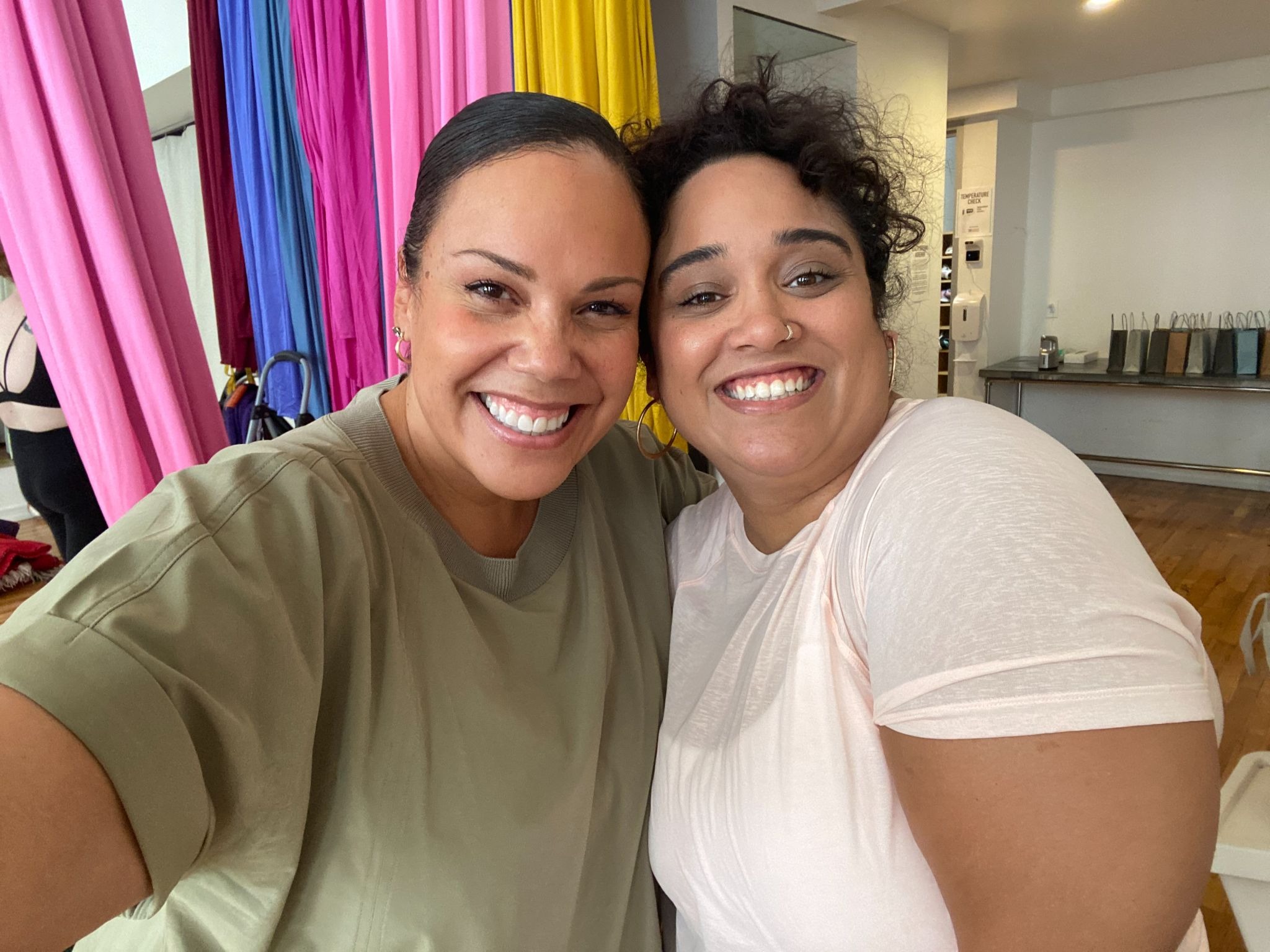
Power Plus Wellness is building a bold, body-affirming wellness space where bodies are celebrated, not fixed. We are a Latina-owned boutique event company that curates life-enhancing movement and immersive wellness experiences for the plus size community to jiggle freely, fly with silks, unlearn diet culture, and joyfully exist together. Our offerings free minds, bodies, and hearts from perceived limitations.
Location: NYC
@powerpluswellness | powerpluswellness.com
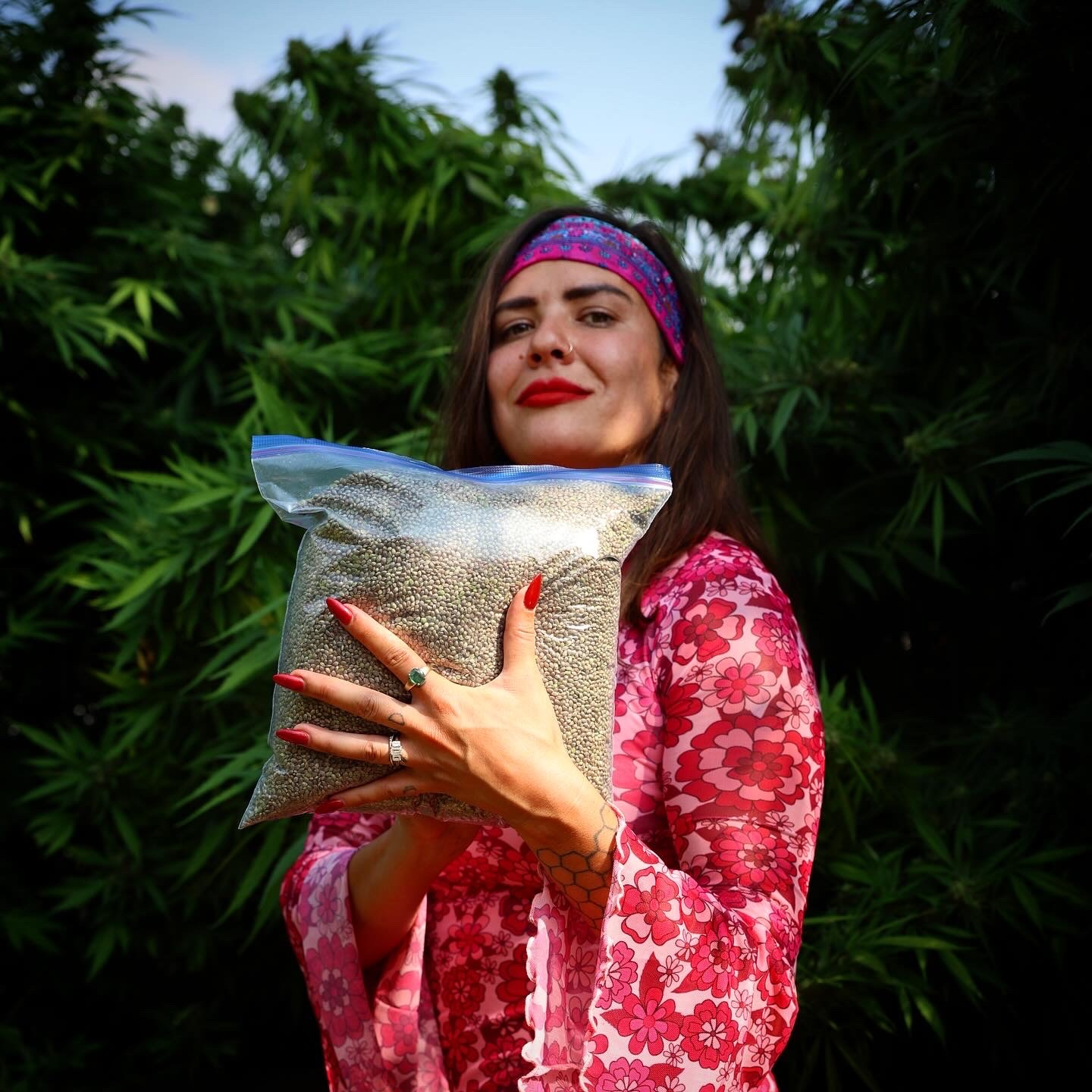
Ranchera Familia is a Latina-owned, USDA-licensed industrial hemp farm rooted in California’s Central Valley, founded by cultivator, breeder, and educator Sue “Ranchera Mami” Carlton. With more than a decade of cultivation experience, Sue combines regenerative farming, genetics, education, and community-focused agriculture to create a farm that goes beyond the field. Ranchera Familia is dedicated to preserving agricultural knowledge, creating hands-on educational opportunities, and increasing representation for women and Latinas in cultivation.
Location: Fresno County, CA
@rancheramami | rancherafamilia.com
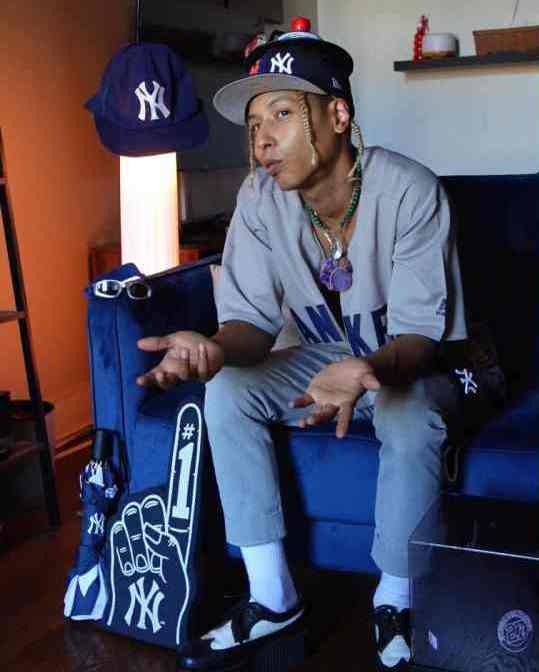
The Weedcyclers is a recycling waste removal and upcycle service. They provide cannabis businesses with donation box receptacles to collect and provide correct disposal of cannabis waste. They then turn more than 50% of our waste into Up-Cycled sustainable items such as belts, wallets, tote bags, hand bags, backpacks and more! Started in the South Bronx in 2025 and have been featured on the New York Times and more. Our Co-Founders consist of Ari Serrano - Puerto Rican Fashion Designer/Manufacturer living in the BX. and Jonathan Cooling. Found in dispos like Flynnstoned, Misha’s, Astoria Bud Boutique, A&P Dispensary, Flower Power Dispensers, CONBUD Bronx Yankee Stadium, and Devils Lettuce.
Location: Bronx, NY
@weedcyclers
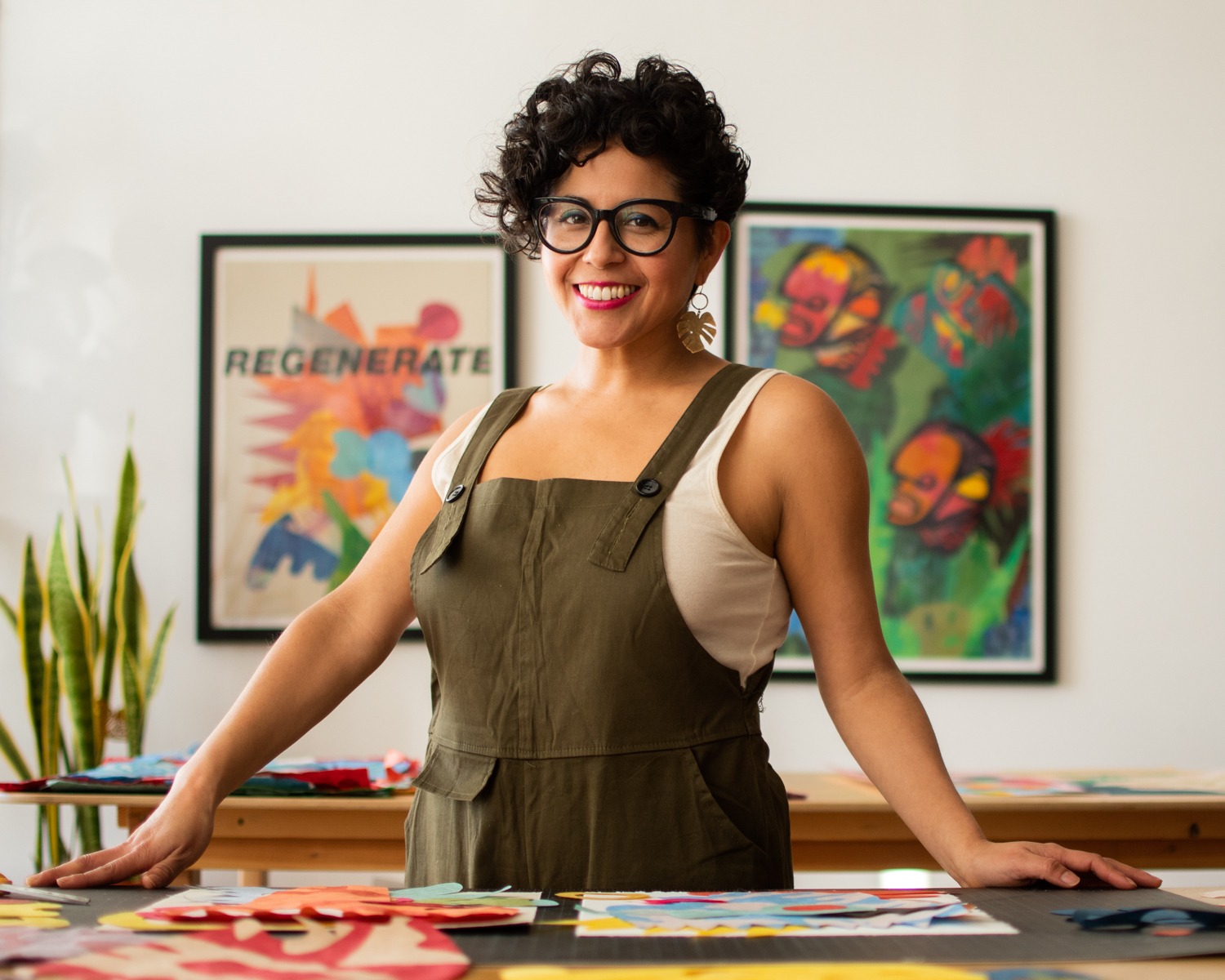
Favianna Art Studios creates original works, limited-edition prints, and large-scale commissions. Her colorful and poignant pieces are available in her online shop. Her art examines the most urgent issues of our time through unapologetically feral femme self-expression. Founded and led by Latina interdisciplinary artist Favianna Rodriguez, the studio produces fine art, mixed-media pieces, and public art projects rooted in joy and healing. Favianna’s art has been commissioned by Google, the City of San Francisco, and Presidio National Park. Deeply engaged in social movements around the world, her art is both a reflection of and a catalyst for those movements.
Location: Oakland, CA
@Favianna1 | shop.favianna.com
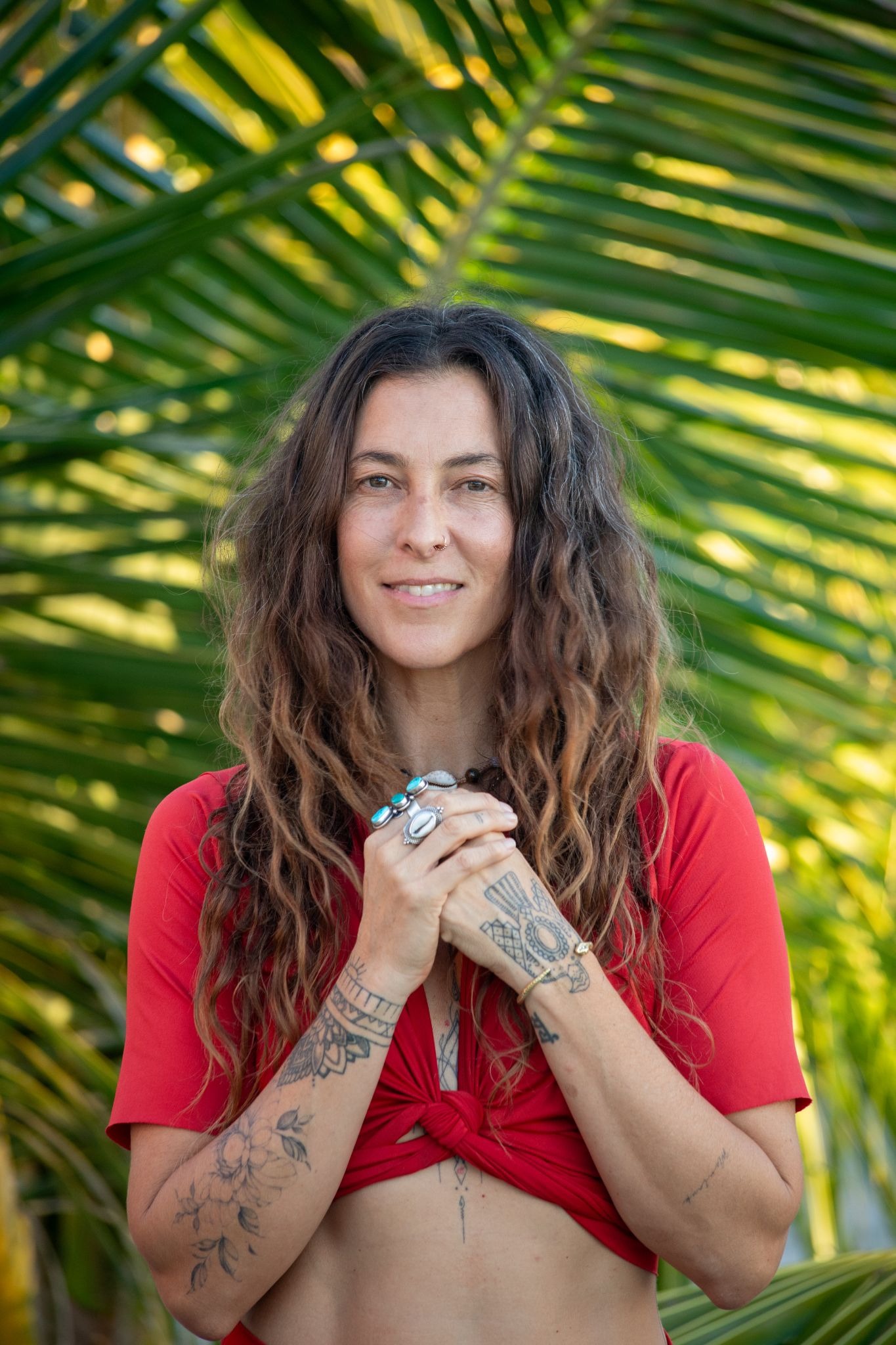
Maria Margolies is the founder of The Holixtic Method, a movement devoted to reclaiming women's bodies, pleasure, and power. For over 25 years as a yoga teacher, dancer and certified holistic coach, she has made it her mission to normalize the conversations around pelvic health, sex, and the female body that shame has kept silent, guiding women back to the truth of their bodies. Healing pelvic floor dysfunctions, postpartum wounds, and buried desire along the way. Through women's retreats, in-person events, and online programs, she teaches women to remember their power and feel whole, at home in their bodies and unstoppable in their own skin. Through Holixtic, an online community of 970K+ Maria is building a generation of women who talk about their bodies out loud, take up space and lead with them instead of apologizing for them.
Location: Asia/Colombia
@holixtic | holixtic.com
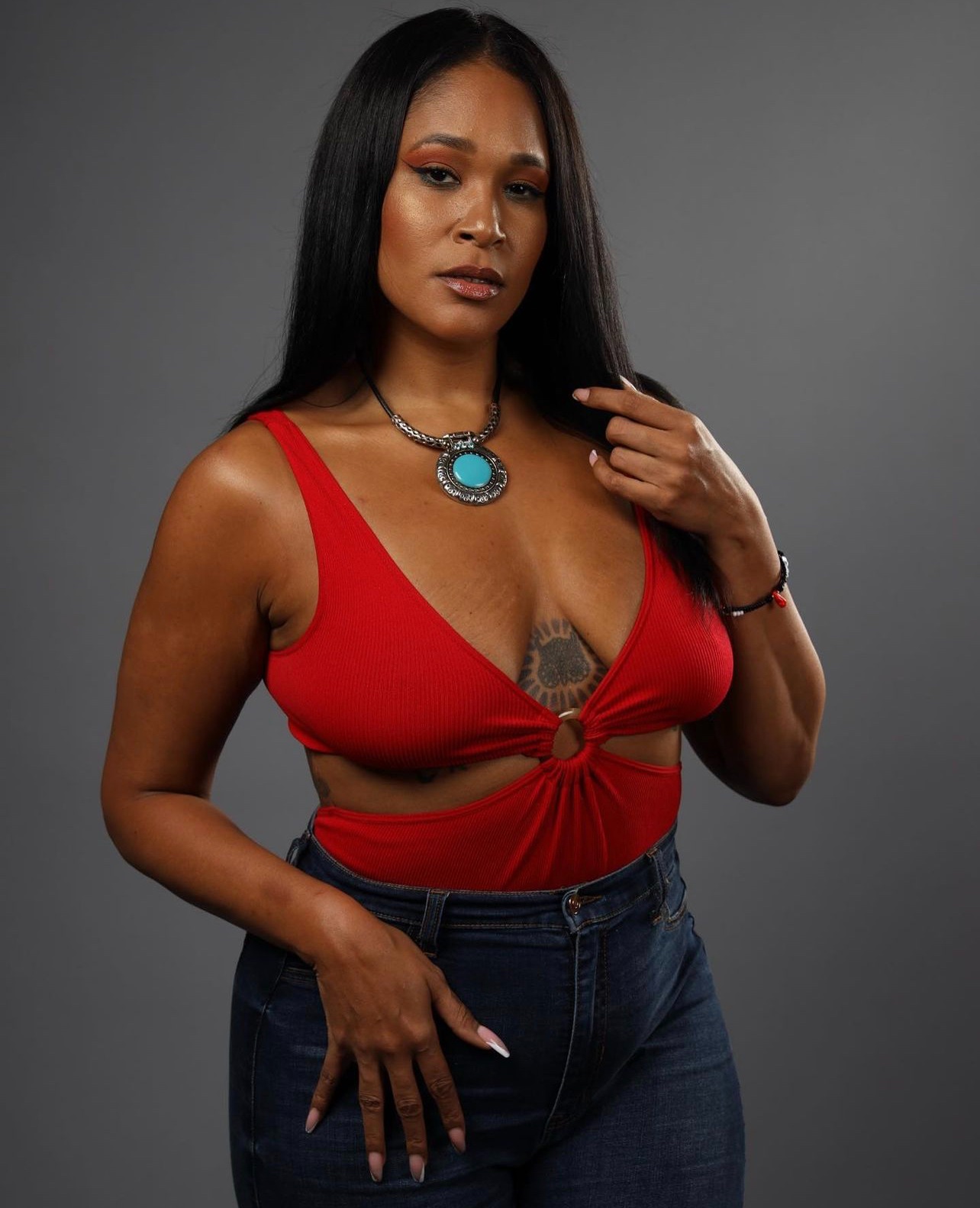
Black Rose brings bold energy, authentic storytelling, and culture-driven entertainment to every platform. Born and raised in Harlem with Dominican roots, Black Rose has performed at top comedy venues including Comedy In Harlem, Broadway Comedy Club, Caroline’s, and the New York Comedy Festival. Her acting credits include West Side Story (Steven Spielberg), In the Heights (Jon M. Chu), Chained, and Human Graffiti. With over 100K social media followers, Black Rose continues to expand her influence, including co-hosting Hot 97 Mornings with Mero, while producing “Say Sumptin Comedy” Ana impactful comedy show and lets not forget her creative content.
Location: Washington Heights, NY
@iamblackrosenyc |
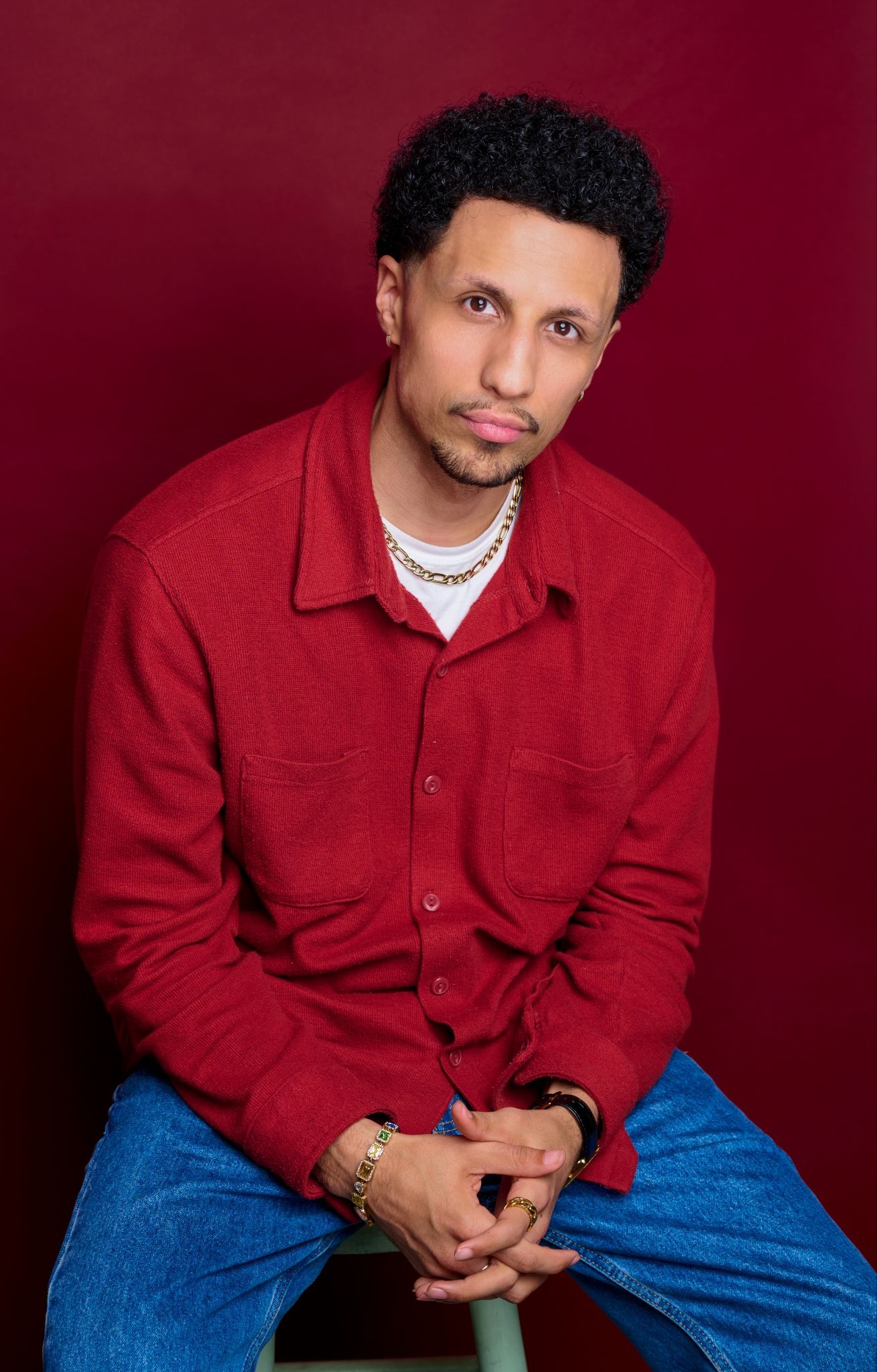
Cris Sosa's viral comedy and electric stage presence took him all the way to the Top 3 Quarterfinals of Season 21 of America’s Got Talent. His AGT run introduced Cris to millions of viewers, more than doubled his social media following, and earned high praise from the judges. Before AGT, Cris had already built a loyal audience through stand-up and viral sketches, earning the attention of Issa Rae, Mike Epps, and Steve Harvey and millions of views through his work with All Def. He has shared stages with Epps, Harvey, and KevOnStage and produced comedy shows featuring some of today’s most exciting comedic talent. With a rapidly growing audience and a voice shaped by his Houston upbringing, Latino culture, and life in New York City, Cris Sosa is bringing that momentum to stages across the country — and he’s just getting started.
Location: NYC
@cristinososa | crissosa.com
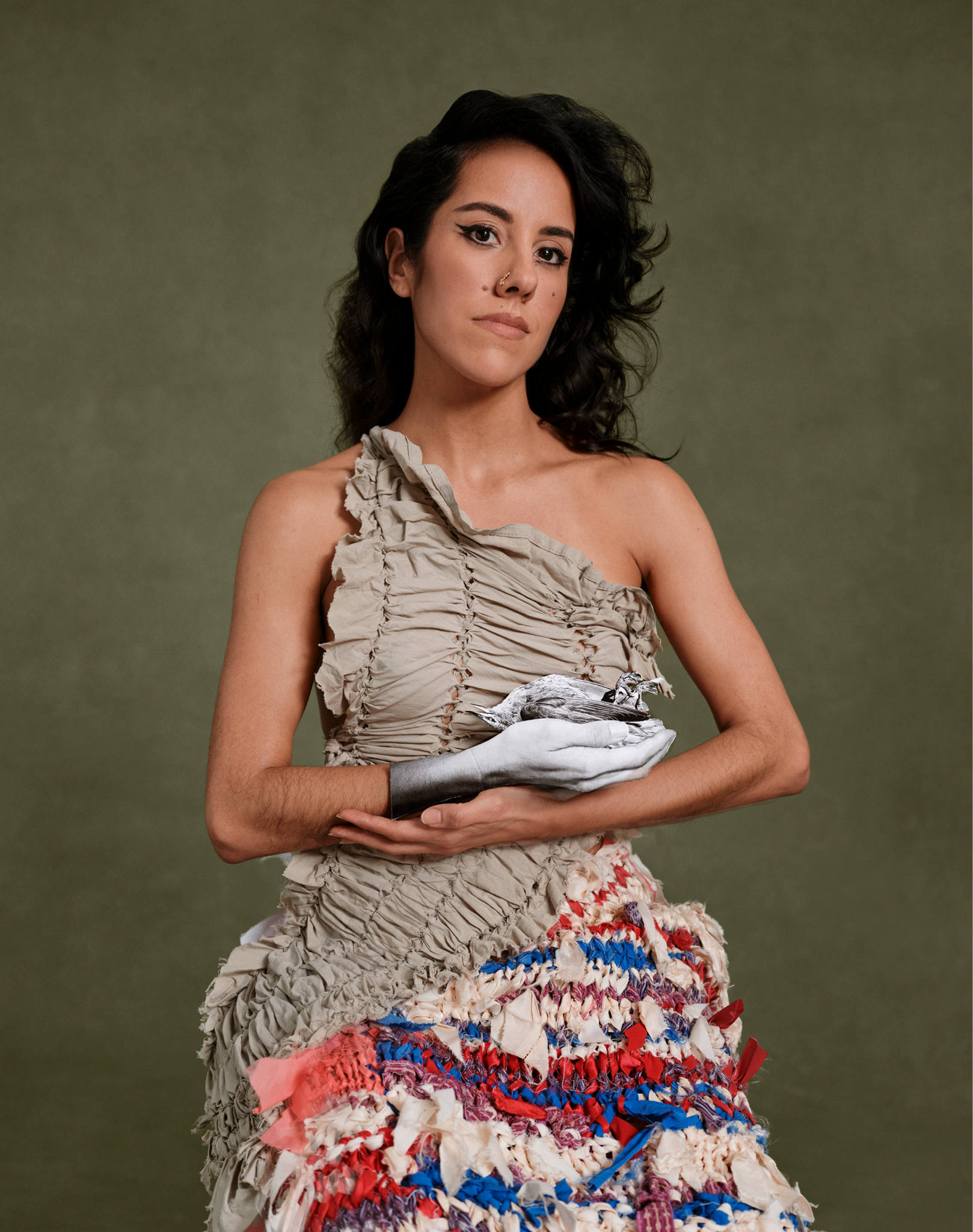
Yara Travieso is a Brooklyn-based Cuban-Venezuelan artist and director working across performance, theater, film, and ritual, whose practice treats the body as both archive and ecosystem. Drawing on the absurd, the matrilineal, and deeply felt experience, she creates hybrid spectacles that explore survival within violent systems. She is the recipient of the prestigious 2026 Doris Duke Award, a United States Artists Fellowship, a Creative Capital Award, the inaugural Jacki Apple Award, Open Interval Fellowship, among many others; she is also on faculty at The Juilliard School where she received the John Erskine Faculty Prize. Her productions and films have been presented at Park Avenue Armory, Lincoln Center, Performance Space New York, The Chelsea Factory, The Knockdown Center, Opéra National de Lorraine in France, New World Symphony Center, EMPAC, El Museo del Barrio, the Museum of Contemporary Art Chicago, SXSW, PBS, and the Museum of the Moving Image, among many others.
Location: Brooklyn, NY
@yaratravieso | yaratravieso.com
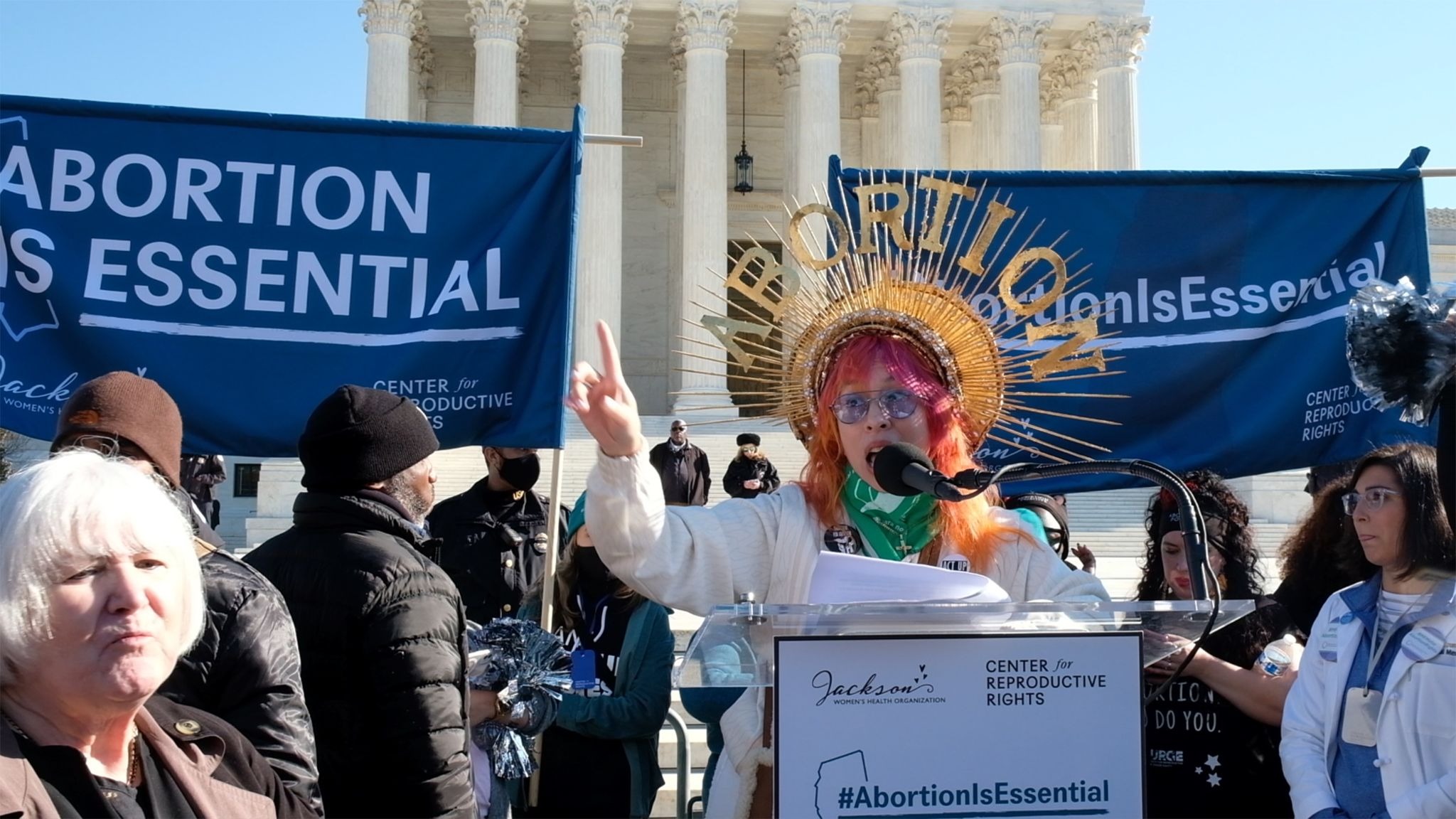
Viva Ruiz (shethey) is a community/family/nightlife/sex work educated artist, progeny of factory working Ecuadorian migrants born and raised in Jamaica Queens. Proud to also be the “daughter” of beloved Chloe Dzubilo, punk rock trans femme activist. Ruiz has been building power and birthing pro-abortion aesthetics since 2015 with the #thankgodforabortion experiment, not an organization but a wild and worldwide organism. Viva is a 2022 Creative Capital grantee and 2022 Art Matters fellow. They are intentional about time bending, intentional about ecstasy and rage, intentional about calling more beautiful worlds into being with and in service to the spirits that walk with them.
Location: Brooklyn, NY | Portoviejo, Ecuador
@thankgodforabortion @viva_lalaruiz | www.thankgodforabortion.com
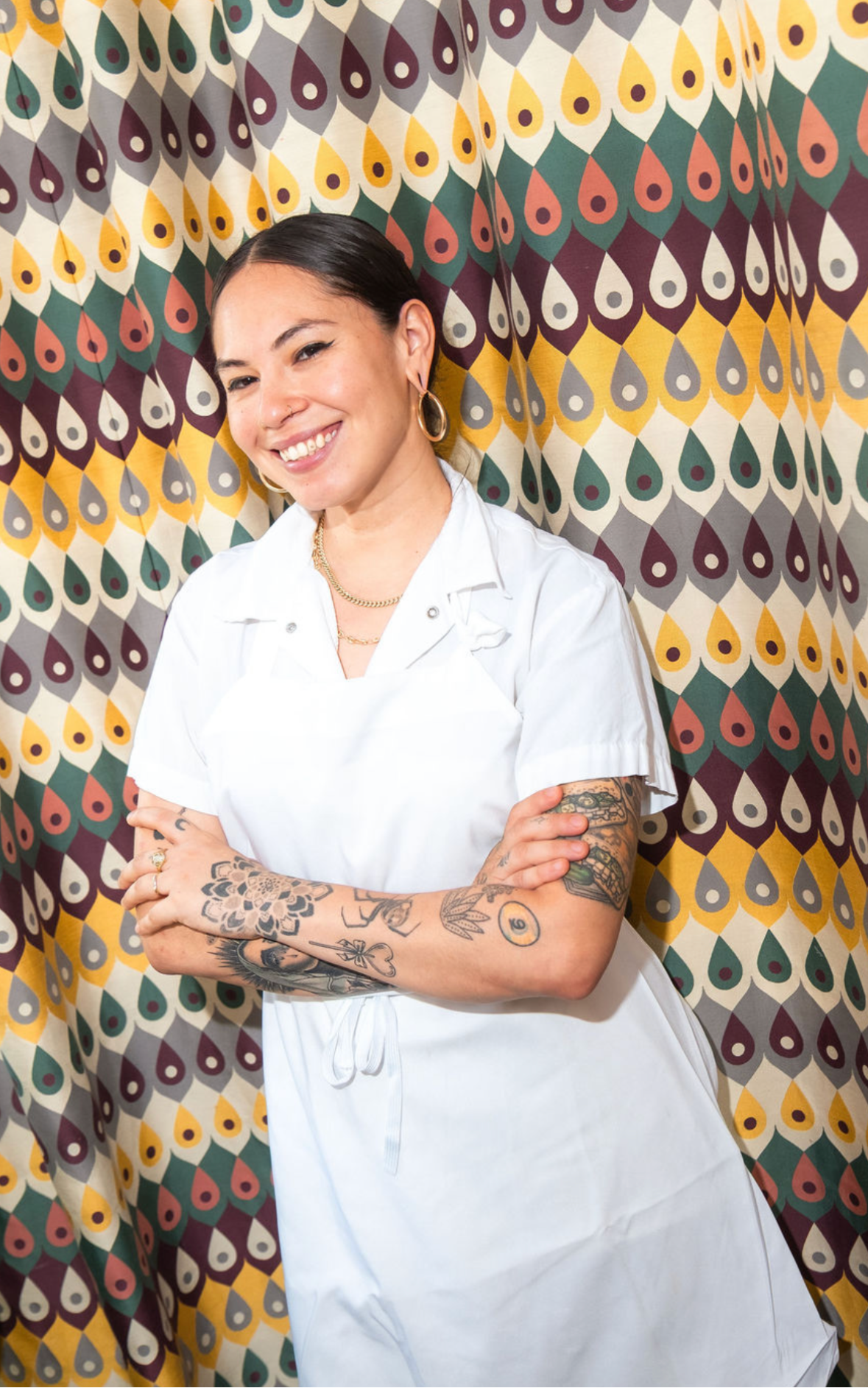
Yara Herrera is the chef/partner at Mexican-American restaurant Hellbender in Ridgewood, Queens. Born and raised in Los Angeles as a first-generation Mexican-American, Yara launched her culinary journey at 20 years old. Yara moved to New York in 2019 and continued to work through some of New York’s best restaurants including Momofuku Ko and Sobre Masa. Yara’s first solo project, Hellbender, was quickly established as a standout dining destination. The restaurant was named one of Esquire’s Best New Restaurants for 2024 and granted a two-star review in The New York Times. Hellbender was also named in The New York Times’ list of 100 Best Restaurants in New York City for the second consecutive year in 2026. Yara was also named one of StarChefs Rising Stars in 2025 and has appeared as a guest judge on Beat Bobby Flay.
Location: 68-22 Forest Ave, Ridgewood, NY 11385
@hellbendernyc | hellbendernyc.com
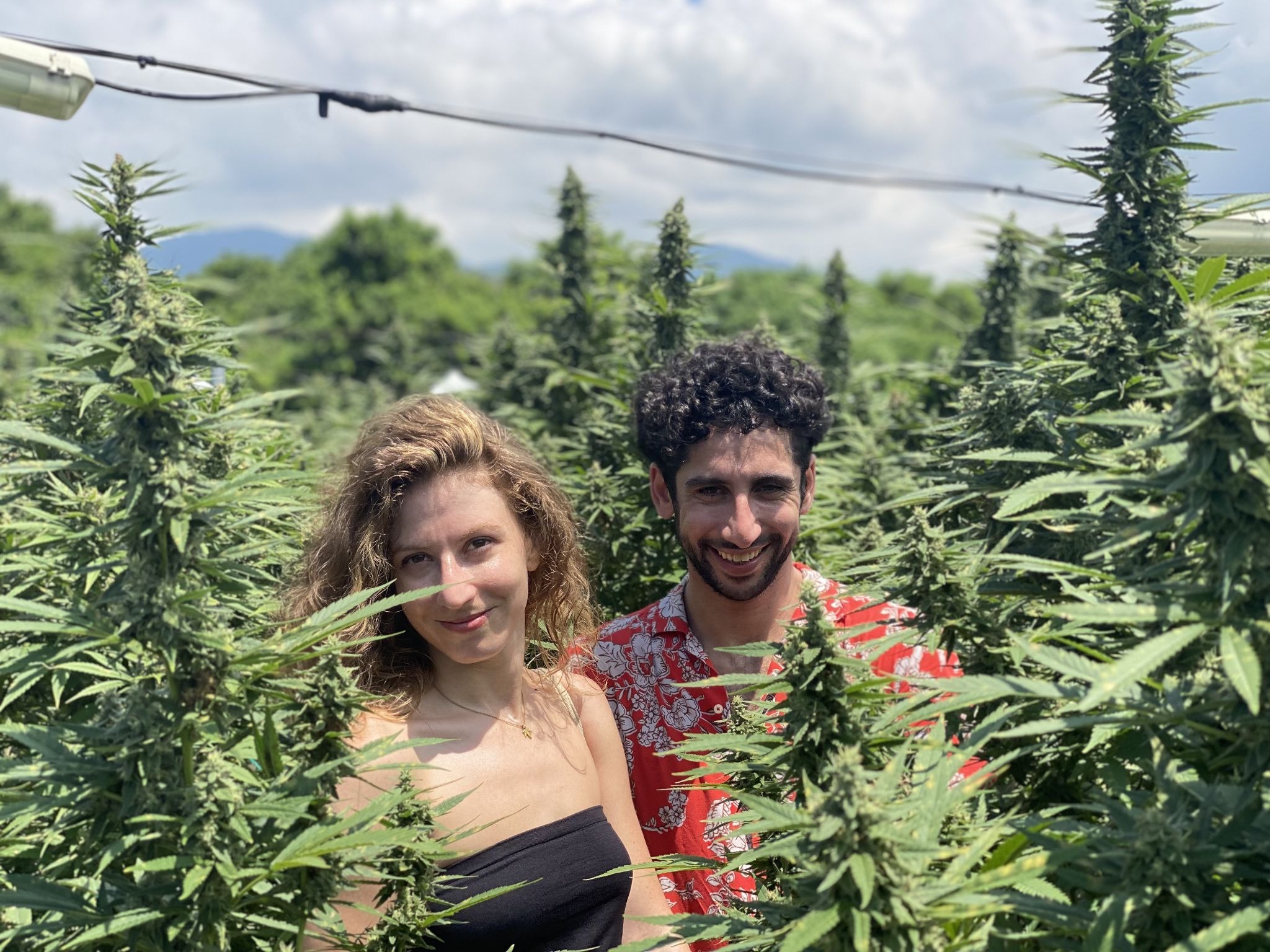
Javier Hasse and Natalia Kesselman co-founded El Planteo, an independent publication covering cannabis, psychedelics, music, gender, ecology, economics and more. Javier has spent over a decade covering cannabis and psychedelics in both languages and wrote two books on the subject. He's a senior contributor at Forbes, a co-founder of IgniteIt, and has been named Journalist of the Year by both the Business of Cannabis Awards and the Emjays. Natalia is El Planteo's COO and Deputy Editor at High Times.
Location: Buenos Aires, Argentina | Florida, USA
@el.planteo | @hightimesmagazine | elplanteo.com
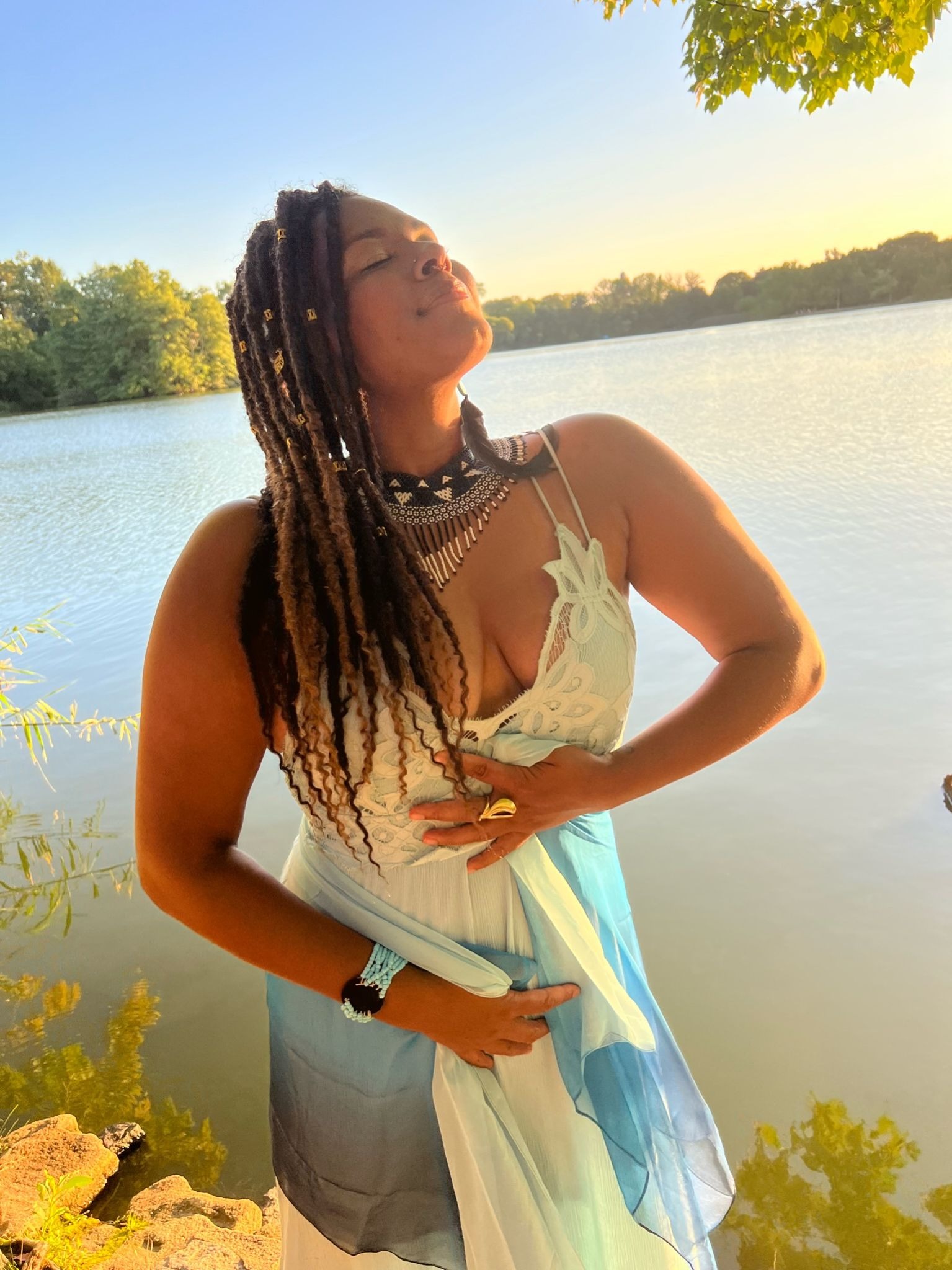
Sharisse Francisco (she/her) is a Queer, Puerto Rican Afro-Latina Vocal Artist, Sound Healer, Breathwork Facilitator, and Ceremonial Cacao Guide. Blending her theater background and years as a professional singer with her studies in holistic healing modalities and intuitive wisdom, she creates transformative experiences that nurture healing, self-discovery, authentic expression and foster meaningful connection.
Location: Westchester, NY | Brooklyn, NY
@iamsharissefrancisco | www.thevoiceembodied.life