SHOW NOW

SHOP NOW
SHOP NOW
SHOP NOW
SHOP NOW
SHOP NOW
SHOP NOW
SHOP NOW
SHOP NOW
SHOP NOW
SHOP NOW


Rhiana Hernandez is a Brooklyn-based, American Culinary Federation-certified pastry chef and a culinary cannabis educator (most recently at Kingsborough Community College). They destigmatize cannabis by showcasing how it can be integrated deliciously into culinary and wellness practices.
Known for their business under the name K O K U J I N, Rhiana creates eclectic and unconventional flavor pairings. Their recipes are rooted in their Caribbean heritage and celebrate Asian intricate details, while focusing on providing a thoughtful luxe experience that caters to various diets and palates.
They specialize in incorporating the plant into self-care routines and everyday cooking, teaching workshops on intentional cannabis use and creating recipes for infused goods, as well as in-store cooking demonstrations.
You can find some of their recipes on their substack Edible Nonsense.
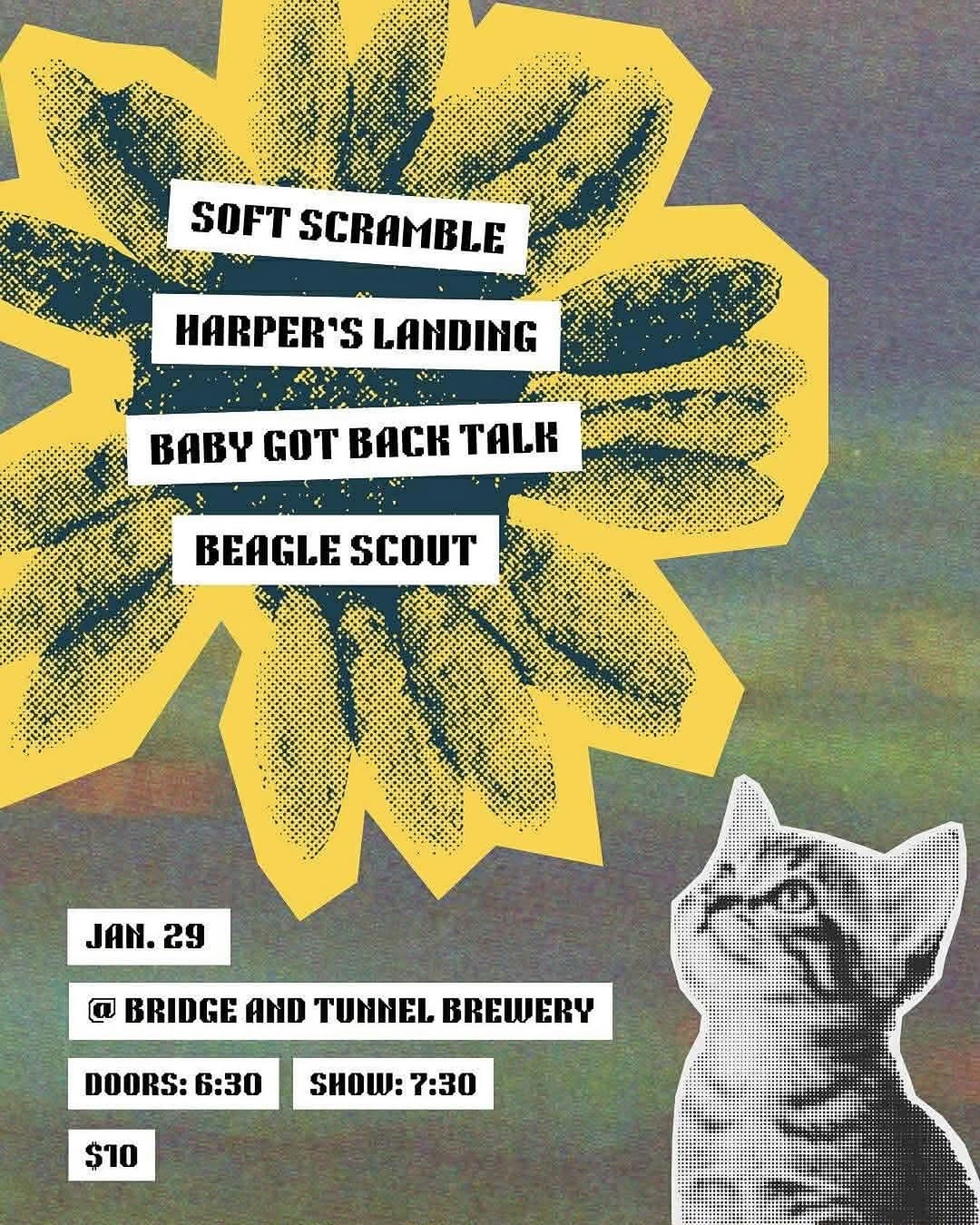
Next event(s): 1/29 - Bridge and Tunnel Brewery with Baby Got Back Talk
This interview has been edited and condensed for clarity by Solonje Burnett, Weed Auntie. Watch the teaser.
WA = Weed Auntie
RH = Rhiana Hernandez
WA: Can you tell us your name, preferred pronouns, and what you do for work/passion.
RH: My name is Rhiana Hernandez. I go by They/Them. I am a cannabis chef and educator, and welcome to the Sweet Spot.
WA: Our paths crossed through cannabis education and events, both at weed auntie and our time on the CUNY Culinary Cannabis Advisory Board, but never knew what propelled you into infused baking as a pastry chef. Tell me about it.
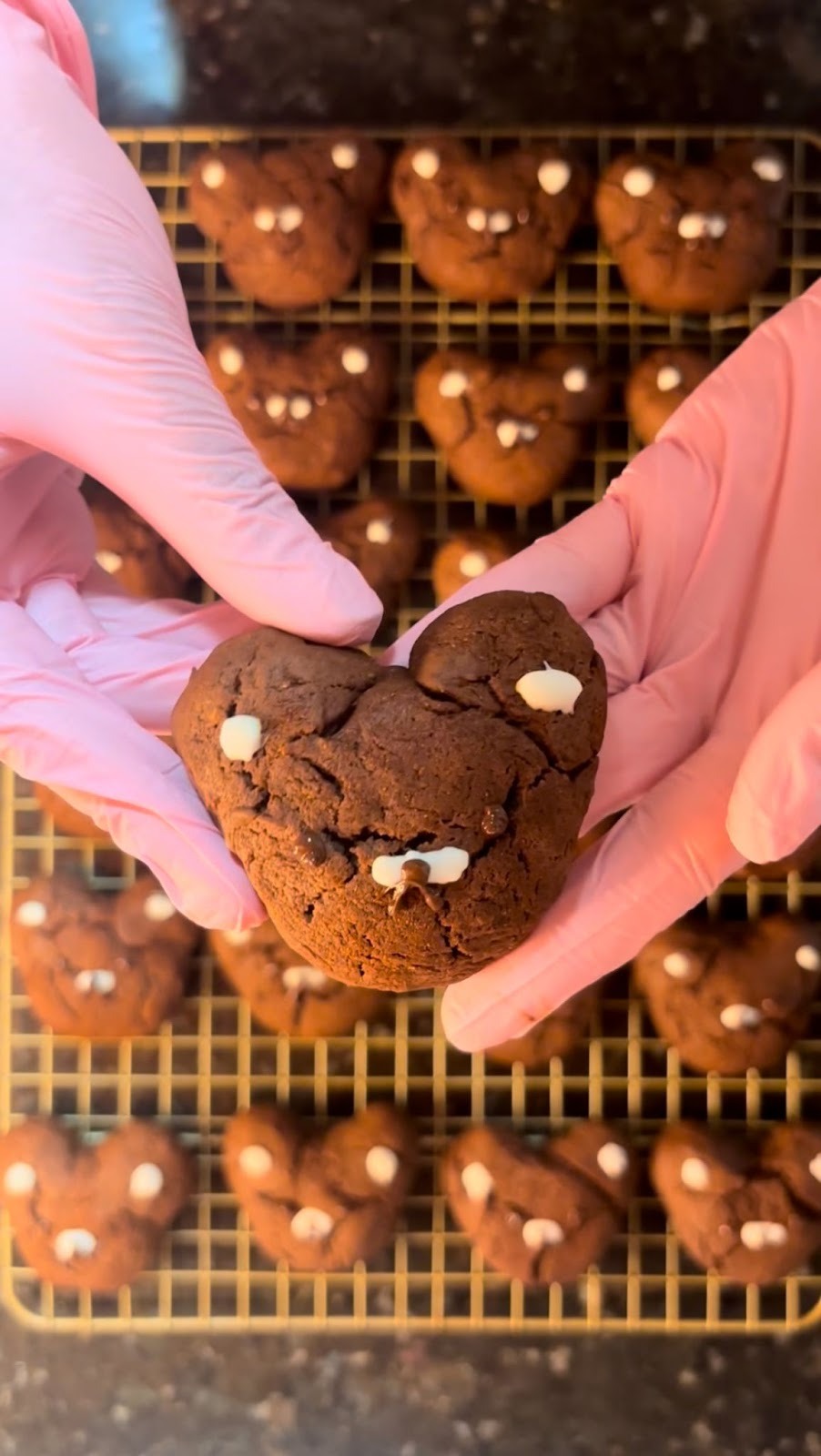
RH: It was selfishness. I am very picky about the pastries I like to eat. I'm picky about shit in general. I like to experiment a lot and the first edible I ever tasted was horrible and it really bothered me. I remember so distinctly, we put seven grams of flour into a cup of butter or two cups of butter and we threw it into a brownie mix. I just was enraged at the fact that we spent hours going through this whole process making this butter and it was a whole labor of love. We put it in something that just didn't taste very good and then I had such an extreme experience— like psychologically and physiologically. I cried. And it didn't make sense. So I figured there's no reason for this and I should just make things from scratch. It's just butter. Butter goes in everything. I was 19 when that happened and I haven't had a box mix since. Except one where I did – a sponsorship. Except I had to get paid for it.
WA: I love that like me, you are an island babe with your Jamaican and Puerto Rican heritage. Does that influence your creative process and art? What other cultures show up in your creations and flavor pairings?
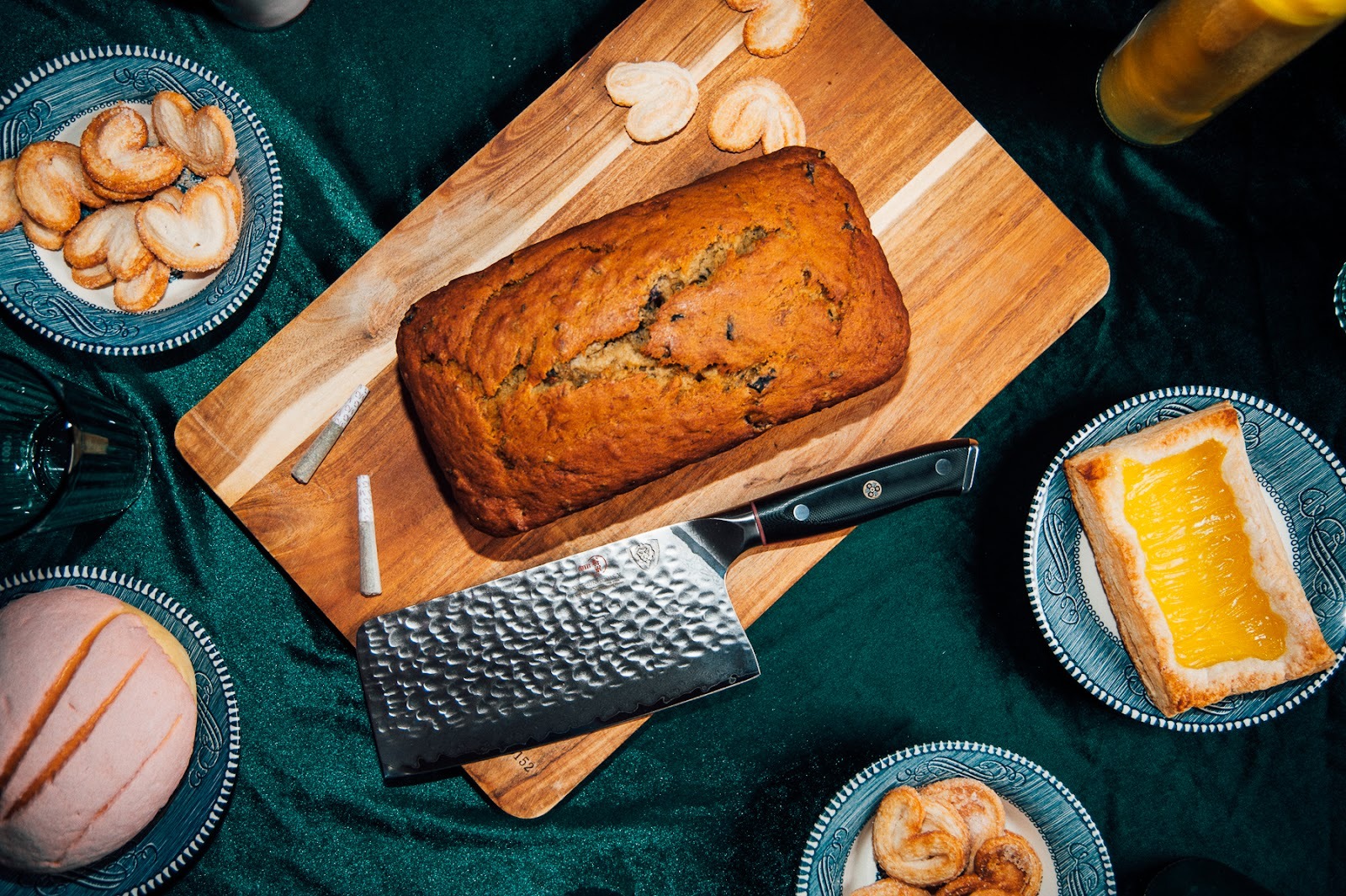
RH: I learned most of my cooking from my grandmas, on both sides, which I actually just learned recently that my grandmother didn't start cooking for her family until she moved from Jamaica to America and that's when she learned how to make all of these dishes. I'm now the one responsible for keeping track of all these dishes because I do what I do. One of the first couple recipes that I tried learning and showing to my family was how to make infused sorrel and coquito. I learned how to make curry goat and infuse that. Then I'd show her ways to add things to patties— just little accessible things that I already knew how to do that I knew tasted good to just want to add a little magic to it.
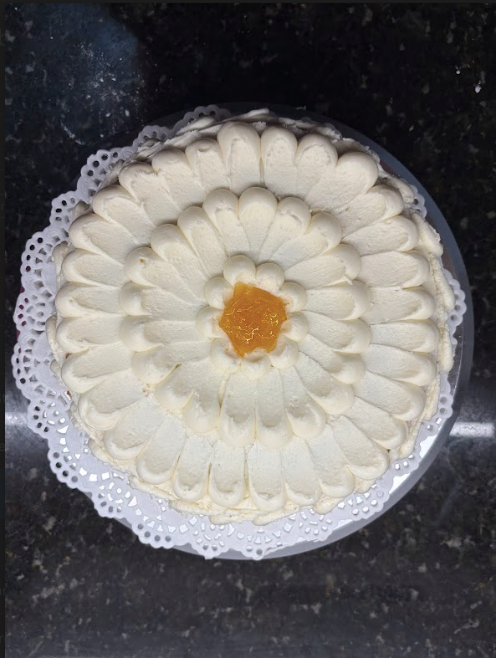
Outside of that, I do love Japanese, Korean and Chinese cooking so much. I find that their attention to detail when it comes to their desserts, for celebration or even if it's just a simple strawberry shortcake. The lines are clean. The process is very intricate and detailed. It's almost like a video game in real life. I really like that puzzle solving kind of activity so it scratches an itch that also is really tasty. I get cake after.
WA: Has anyone ever judged you or labeled you for consuming weed whether in your family or professionally?
RH: All the time. It's never stopped. Let me take that back. It’s stopped a little bit now that I made it my entire job. People see I don't do anything crazy illicit but my whole life it's been people asking “why are you smoking weed?” But I always did things very well professionally. I got my shit done and they couldn't really get on me about it. So I would just do dumb shit all the time. I was always high. Now it's lessened because I have this acquired background of education where I can smoke a giant blunt and say, “Here's all the different types of terpenes that will help you go to sleep or help you with your knee problem or help you be more active during the day when you want to take a nap.” Screw off with your terrible opinion — But I just kind of take that pushback as an opportunity to be like, “Well, actually. There's much more to what you assume. And it's better. And you're wrong.”
WA: You mentioned a little bit about how your heritage influences your work and how you incorporate recipes from your grandmother, have you shared infused items with elders and people in the community or was this more for your personal you know edible process?
RH: It was more for my personal edible process for sure. I have given edibles to my family. On a very, very, very cautious basis, just because I don't want to make their experience really bad by having it be very strong and they get overwhelmed, but I also don't want them to think it's not something useful that they can use in their life.
For example, one time I made coquito for my grandmother on my father's side. She has a lot of chronic illnesses. I remember I used an infused agave and said, “'Just drink this and go to bed. Don't do anything. Don't touch anything.” I think she ended up knocking out for the first time, cold. And it was good because she has a lot of pains and aches and whatnot. And she was like, “Oh, I really passed out, I slept really well.” It made it accessible for her, and I figured if I did it like that, it would be easier for her to digest. Whereas conversely, I did it with my mom and I gave her a Camino gummy.
She wanted to be cool and say, ‘'Oh, I don't feel anything. It's whatever.” So I made Jamaican curry and put it on some popcorn and said, “Try this little snack.” I don't feel anything. And I give her a brownie that I made. I think at the time, if I'm adjusting for weed inflation or before drug math times, it had to be like 50 milligrams. And I said, ‘Please eat this in eights, cut it really tiny and slow and don't go crazy. It's potent.” She didn't listen. She ate a lot. It is just like a thing that I have with my mom where if you make something too fucking good for her, she'll eat it.
Using that vehicle of food to give back, because it was always a thing with my family, celebrations were around food, big events were around food, gifts were food. I think it's more just the edible consumption aspect of having to give her some— it was a lot.
WA: Getting into dosing. Most make edibles for potency, others like SASS do it for functional wellbeing, what drives your culinary focus?
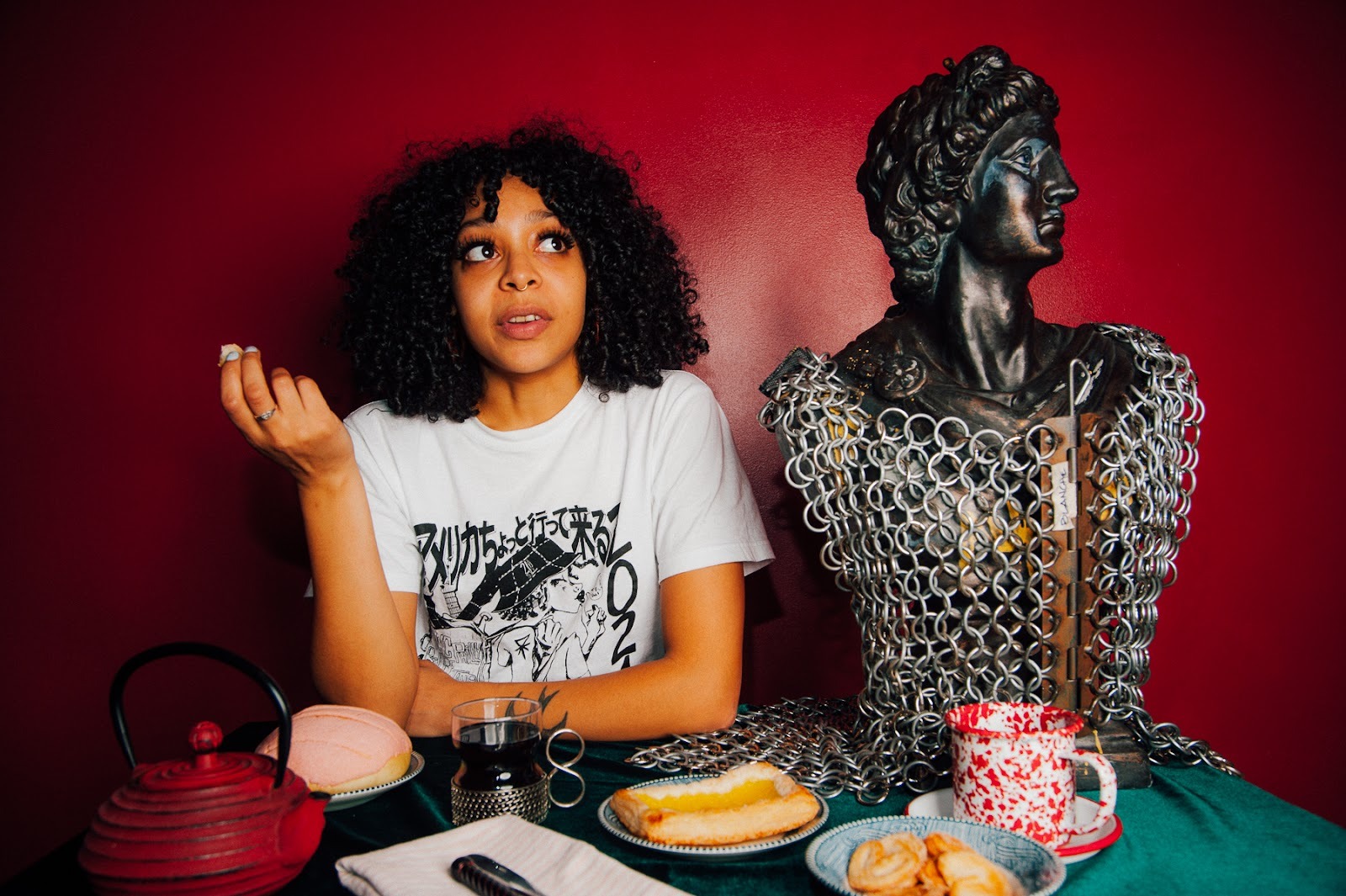
RH: There's so many different types of consumers these days. The population of new consumers I feel is starting to come to a point where it's outgrowing the seasoned ones, which is fine. I'm really happy about that. When I think about how I dose my edibles, It's always on a person by person basis. Because not everyone is the same. Not everyone wants to take 50 milligrams to the face and then try and go about their day like I'm trying to do because I'm crazy. But some folks may have higher needs than others. I just try to accommodate that because there are so many more people eating weed nowadays. I want to make sure they all have something. Not just trying to either eat an entire container of gummies to feel something, because they have a high tolerance, or they have to cut a single piece of cookie into 10 pieces, because they have really low tolerance. Everyone has your own allocation.
WA: Making edibles has always been a part of Queer history and wellbeing, do you consider your work activism and has anyone in particular inspired you along the way?
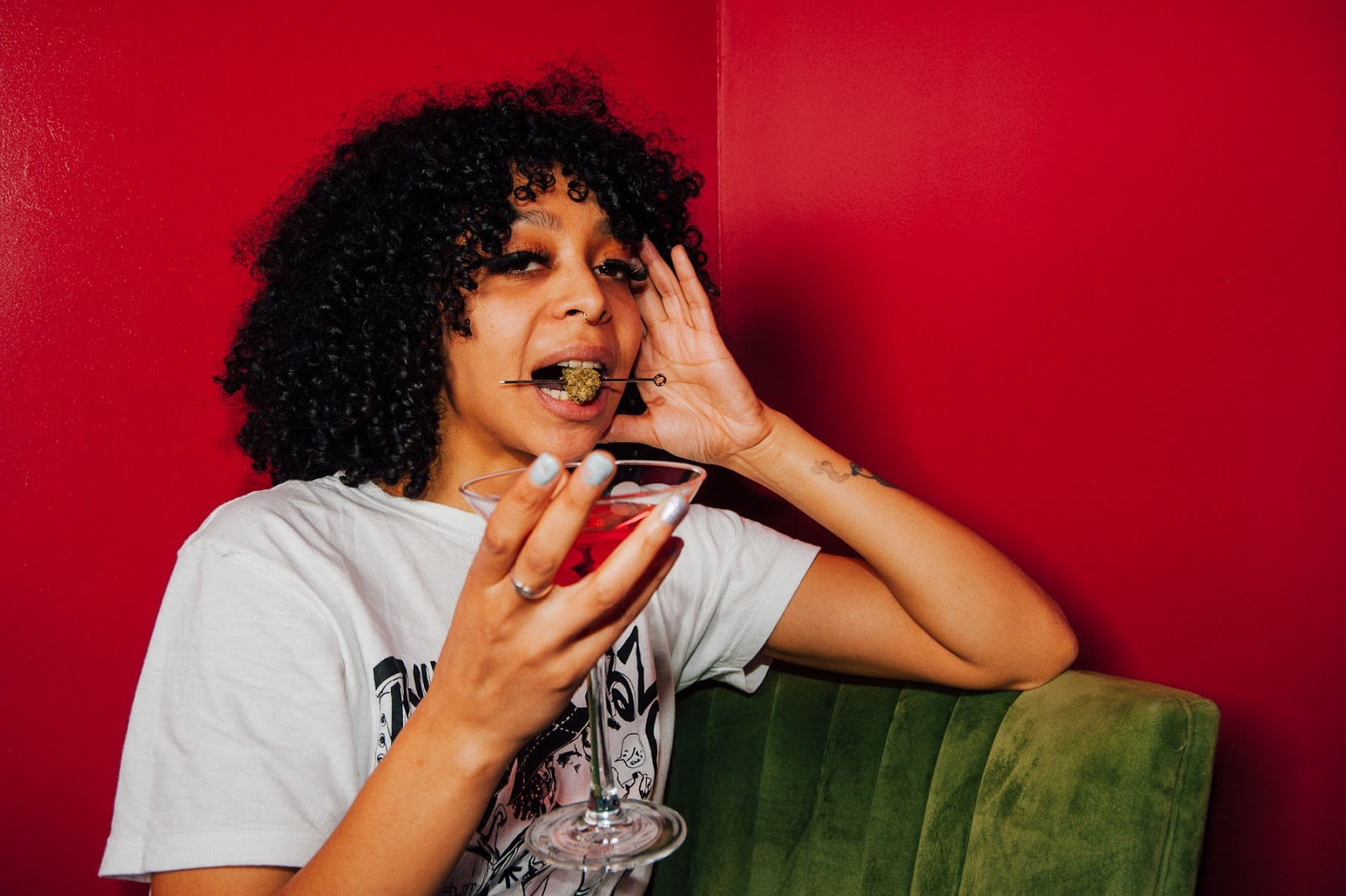
RH: I do consider it activism. I find that it's really important that this information is widely shared and not just guesses and suggestions by people who may not have really researched the importance of what's going on. I was lucky enough to be certified by an organization and go through a college course that is unfortunately no longer funded because of unfortunate environmental influences, but I have it. I can share it. It's really easy to get on the phone and be like, “Here's how you do this. Here's the math thing. Just have it.” Because people are gonna consume weed, regardless of legality, they're going to find a way. We found a way to do abortions, we found a way to smoke weed, we found a way to do crack. It just is what it is. If I can just have some kind of hand in making it safe and accessible for people, so they are not having a bad experience that contributes to the negative connotations of cannabis, then yes.
There are some chefs that I've worked with personally that have inspired me. Chala June is a big one. That was my first infused dinner that I made desserts for a larger group of people, but also I like listening to the way that they work around food and the stories they put behind their food. I thought that was really beautiful and it made me change the way I saw my food and what I was trying to explain to people.
Another chef who I was just at his pop-up makes amazing food and I've worked with him as well is PapiTropical. He is another person who tells these incredible stories of family and cultural history through his food, but he also allowed me a chance to fuck around with other cultures and other foods that are also within my culture, within the diaspora of Latine food. And that was important for me. I am grateful for their influences in at least shaping me, making my food more interesting and telling a better story.
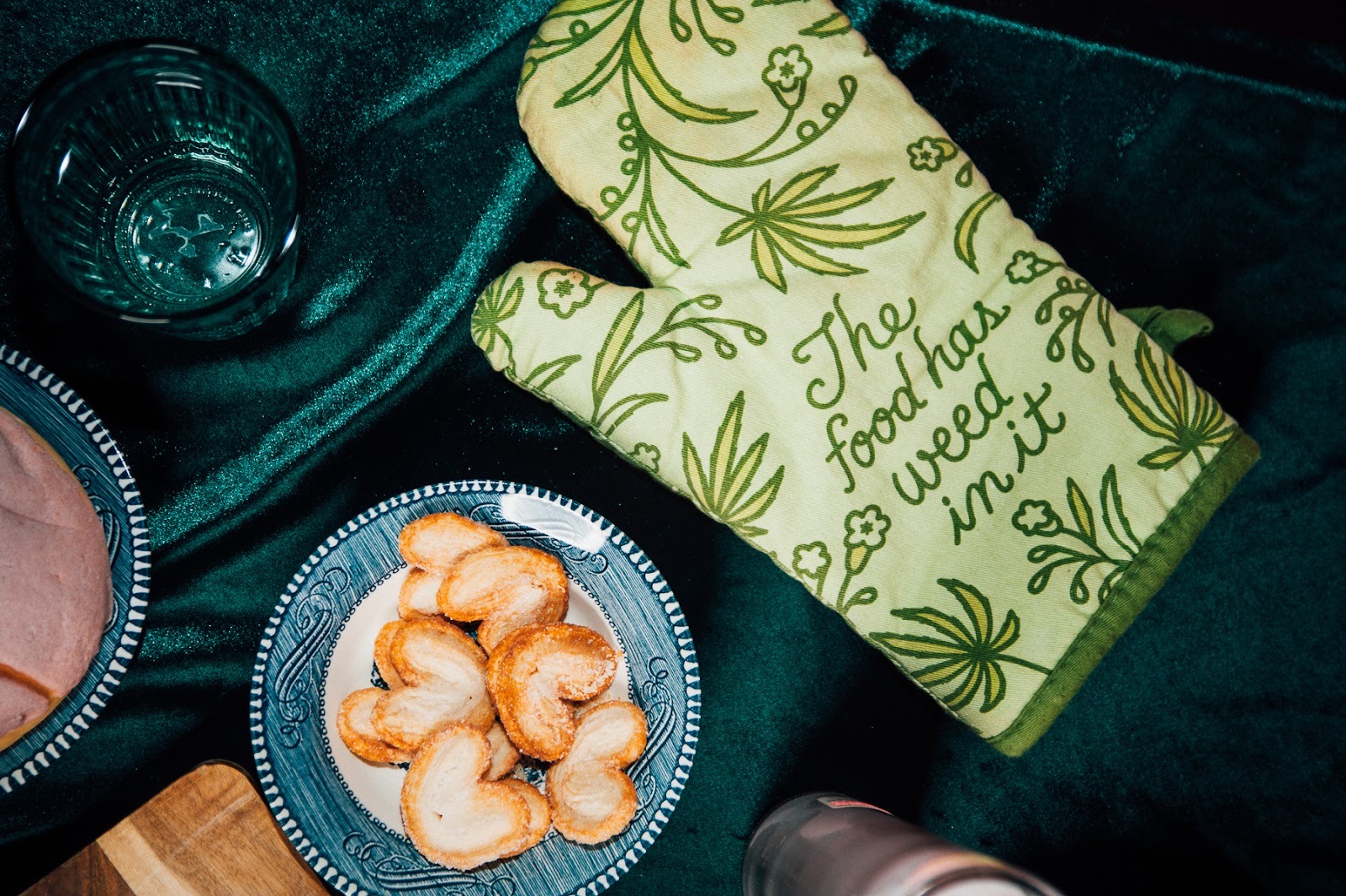
WA: How long have you been cooking with cannabis and since your start how have you seen it evolve? What would you like to see that has yet to happen locally and nationally?
RH: Okay, I'm gonna count that very first time I made those fucking brownies and I was 19. Oh wow. A real disgustingly long time— at least like 10, 12 years— not professionally, considerably, but like I've been fucking around with cannabis and food for a long ass time. I will say professionally for five years because that's when I started selling shit out of my apartment and making money for it.
I'm really glad to see it evolve from just “here's how you make butter. You put it in the box mix,” It was always these close-minded ideas. And it's grown into: “Here's how you can make brown butter infused. Here's how you can make chocolate infused, 'Here's how to temper chocolate to make sure it doesn't ruin the cannabis.”
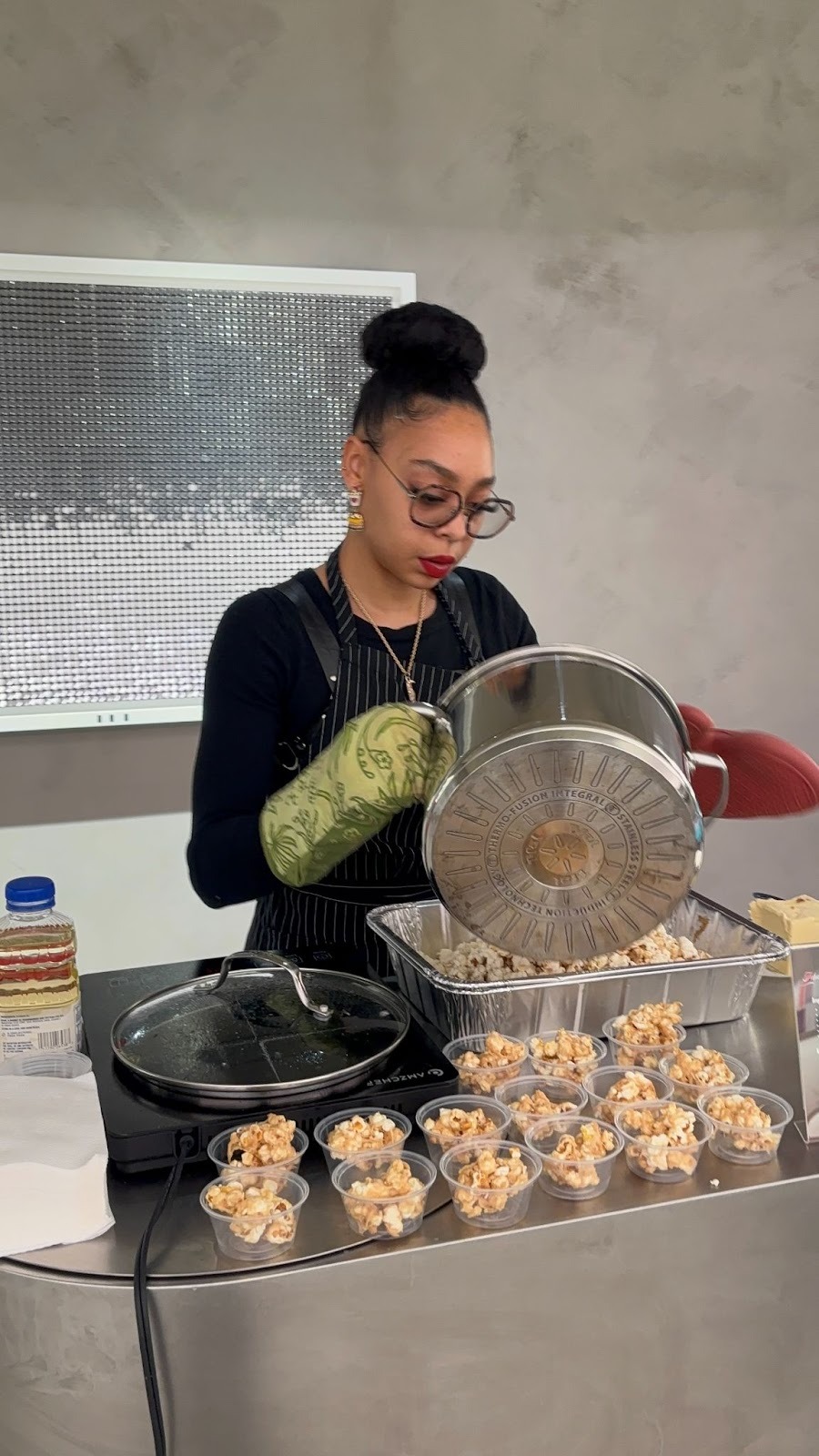
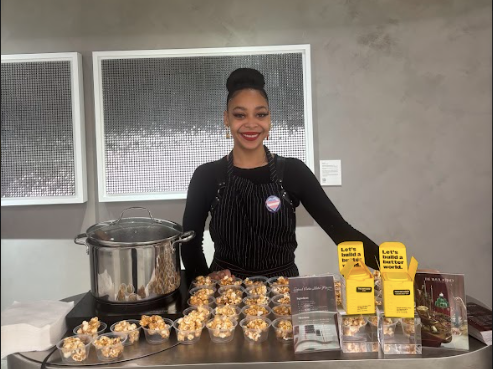
When I was researching originally, I would still always find these pockets of people who were doing these experiments and playing around with food like this. I've also seen those people grow into what are now some of the bigger names in cannabis, like Chef Nikki and Chef for Higher. All these people have a legacy. And now, in the current market, you've got butter with infused ghee and infused cookie butter and you have infused coconut oil and vegan gluten-free gummies and chocolate. I saw a sour gummy rope the other day and I was like, oh shit, this is great. It's starting to grow in other states. You see different types of snacks being created and I'm happy about that. I'm also glad to see other infrastructures built that can allow for cannabis bakeries like you see in Chicago.
I'm glad to see that there's more more of a focus on conscious consumption, not we're gonna get fucked up and we have to get it all to the face right now as quickly, as efficiently as possible. It's like, no, you can have this really cute strawberry cheesecake swirl and it's 50 milligrams. You can split with a friend and you can also have an infused tea with it and a joint. The freedom is what I'm looking forward to. The freedom and the creativity for James Beard level restaurants, hopefully. Nah, I'm just going to put it out there. I would love for there to be James Beard level restaurants that are either centered around cannabis or involve it or at least teach something that is good with it.

WA: Who are your fave folks at the intersection of cannabis and culinary arts?
RH: Okay. Big fan of Chef Miguel Trinidad. He was also on the board of the program that I took and taught at. I've been to his restaurant Marie's. We used to do our final classes there. I definitely described him as a JoJo character because he is very humble, so full of knowledge, but you also know that because he's full of knowledge, there's this level of like [exclaims in fan girl], so it's very interesting to listen to him speak. And he makes an infused lamb ragu that is delicious. Delicious. It was the best part of the end of the class. I do need to get to his other restaurant because Marie’s isn't around anymore. But I look forward to that.
Another person I like is Christina W. From Fruit and Flower Co. She has a great substack where she posts information about different pieces she uses, cannabis consumption, wellness, and she gives a lot of information about like cultivation out in California. She also makes these really cute cookies. I actually, I feel like I have an interesting parasocial relationship with her because we've shared a couple comments and we follow each other's substacks. And she had a post where she was talking about a new book by Kat Liu, who's making a new cookie cookbook specifically. and I asked for it as a Christmas gift and I know she got it and she started posting her substack and I'm like, 'I wouldn't give to be in California to just try to just talk about this for 10 minutes. So yeah, we bond over cookies a lot. I hope we get to share one, one day.
WA: Professional pastry chef, educator, influencer, musician — tell me a bit about that last note? Baby Got Back Talk!
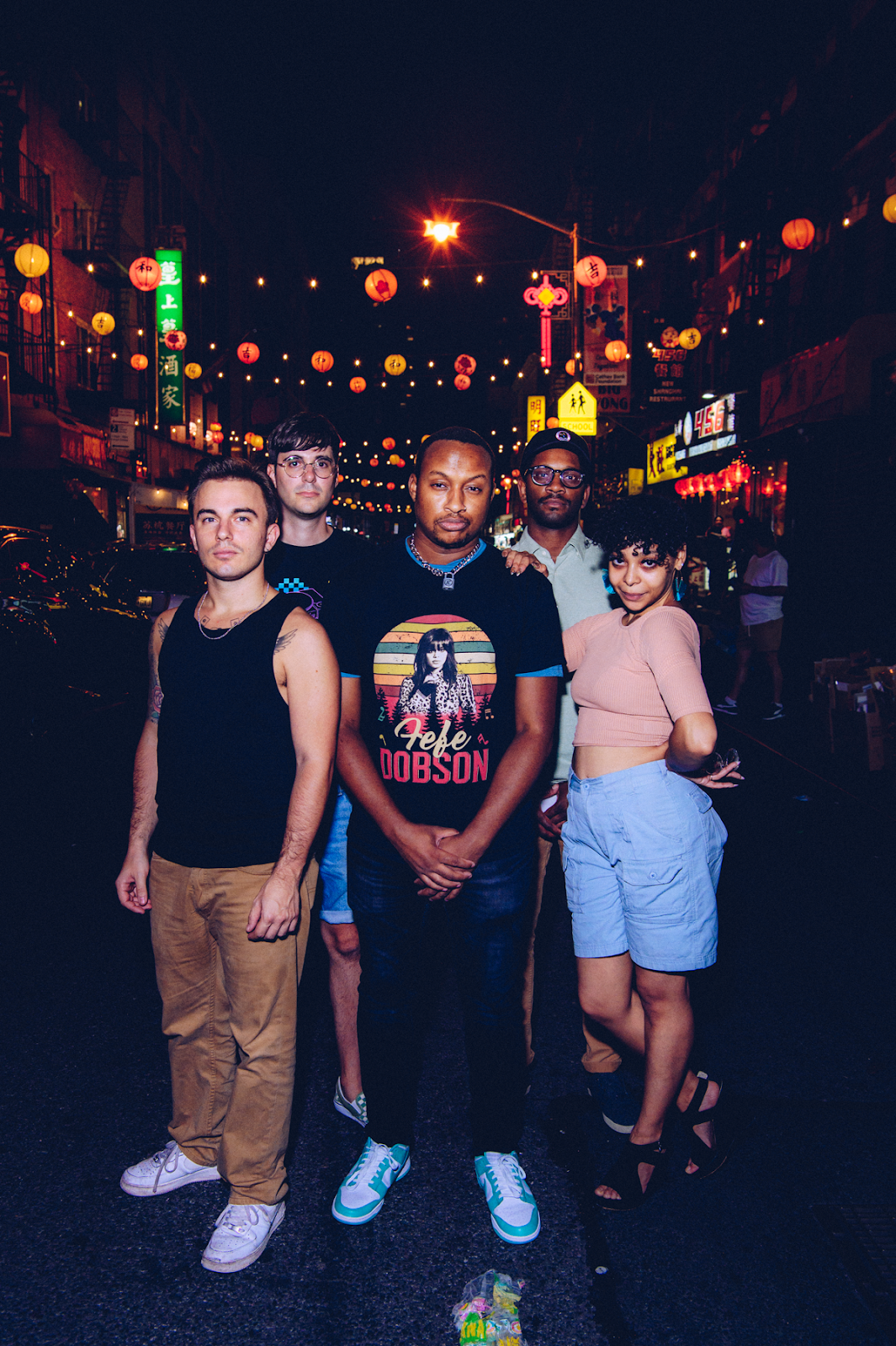
RH: Baby Got Back Talk. The most moisturized punk band since 2017. That's actually a funny thing because we are really all moisturized. Whenever we go on tour, every single one of us has at least two, like, lotion, Vaseline,, sunscreen. I bring a lot. In our gig bags. We really care about being pretty. I've been in Baby Got Back Talk for oh my god, like at least 10 years. We've traveled all over this country. I've been in the Midwest. We do at least a tour or a mini tour every year, and it's a pop punk band.
We're a pop punk band that I met the main singer through a childhood friend, and our other guitarist through Craigslist. And we just bonded. We sing a lot about social justice issues, about issues plaguing minorities. Living in a society burning down while also holding down a job or being a baker. And it's really fun. It's really important to me to be surrounded by people that can know about me on a personal level and also call me out on my shit in a way that's constructive. And you do that really well when you're in a music group because you’re constantly expressing yourself with music and it helps you form good relationships really well.
So I love them and one of them's having a baby and I'm very happy for them because we're all having these growing life experiences all tied to music. I've played two instruments with them. I started playing violin and then I picked up the synthesizer. So I just be doing noodley shit all the time.
WA: We love a creative baddie. All day. What’s your preferred way to consume cannabis and how does it affect your craft?
RH: I love smoking. I love rolling it. I love the whole click click click. I like everything. It's all a whole process that every step seems the same and it's really nice. Maybe it just appeals to the arts and crafts thing I enjoy. I especially love using pretty papers.
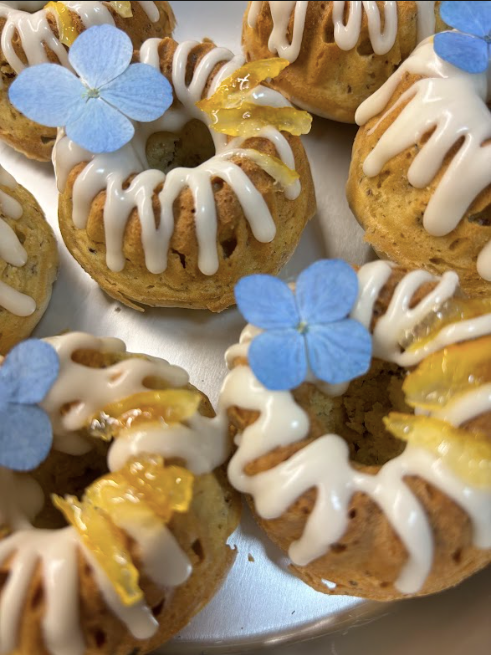
How does that affect my work? I don't smoke when I cook, that's definite, but I do try to consume whatever I'm putting in my food first, so I know what to expect. That helps a lot, especially if it's something that may come with an additional flavor. Which I learned the hard way when I was working in a bakery and we had a distillate that was watermelon flavored. And we didn't realize the watermelon flavor would carry into the actual baked good, which was cinnamon rolls. It was a cinnamon roll bundt cake. And you know what? I will be so honest. It worked! It was the most eclectic piece that we had made, but it definitely taught me that sometimes things have extra flavors and you gotta just check them occasionally.
What I also do is keep adjacent to what kind of edibles are out there, especially the vegan ones and the gluten-free ones, because I like to make sure there are gluten-free options. So I try and taste what is available and see what flavors they're doing but also to see what the effects and aftertaste is like. For example, there are some gummies where I'll have them and the next day, I feel like they just have an interesting taste in the end. I think about that when I cook. So when I test it, I try to have my food usually when I go to bed so I wake up and see, does it have that weird after taste? Is it the same? Can we edit? Paranoid. Everything I do makes me, gives panic.. Smoking gives me paranoia. It all gives me anxiety.
WA: Nah, just testing and perfecting. Testing ‘til perfection. Love it.
RH: Haha, testing and perfection. Yeah!
WA: Speaking of smoking, getting NASA, who would be in your dream sweet sesh? Queer icons, people who are living, deceased, whoever.
RH: I have gone over this question so many times and I think I think I've got it locked down. Niohuru, who is in the Boulet Brothers’ Dragula, but I'm bad at seasons, so you can't quote me. But, incredible artist Bianca Del Rio because I want her to read me for filth and I think we'd have great jokes. Sylvia Rivera. I would definitely want to have some tea with Sylvia Rivera. If we're also, I'm not sure if you're smoking, also so I'm just going to assume these are all adults. I would also say Pim from the Smiling Friends, because I want to have that big, giant blueberry, because I can imagine that it must be great for pie. Mako Mankanshoku from Kill La Kill. She's obsessed with food. She's super funny, and at the end she asks the main character out on a date, which was one of the first like queer relationships I saw in anime outside of Sailor Neptune and Uranus. Oh my gosh. HAHAHAHAHAHA I like one.
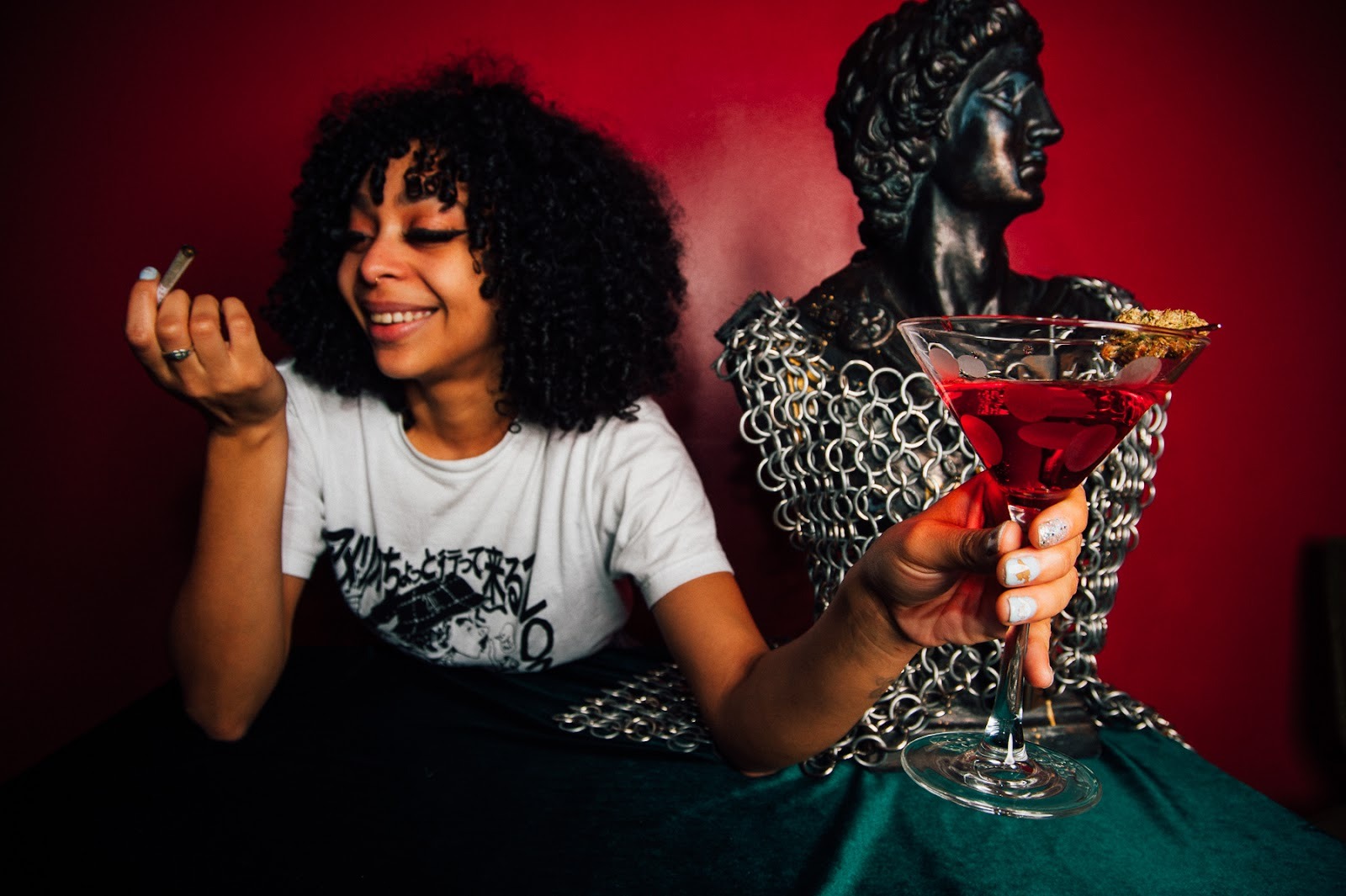
WA: What’s your favorite thing to do high?
RH: Ooh. Apparently, I love to either pass out for the entire day or I fill my entire day with so many things. That I don't stop. It's one or the other. I'll either be high and think. Okay, I kind of have energy or I'm zoning out. Kind of wait, let me rephrase. That's not that's not logical at all. I'll get really high. and I'll be like, I need to be productive to make this high feel good and not fall into some laziness or whatnot. I need to do a good thing. I need to be a good person and do stuff. And then I'm busy the entire day filling my shit with nonsense and I've gone on 20 side quests and Yeah, sometimes it's fun.
WA: Your favorite thing to do high is go on a SideQuest? HAHA!
RH: Yeah! Go on SideQuest. All the fucking time.
One of my best side quests I ever did was I went out to get well, we went, I went drifting with a friend and then we ended up getting ramen and I met a vendor who was vending at a weed event nearby and I showed up at that event and then I ended up getting work.
We love a side quest that ends in money.
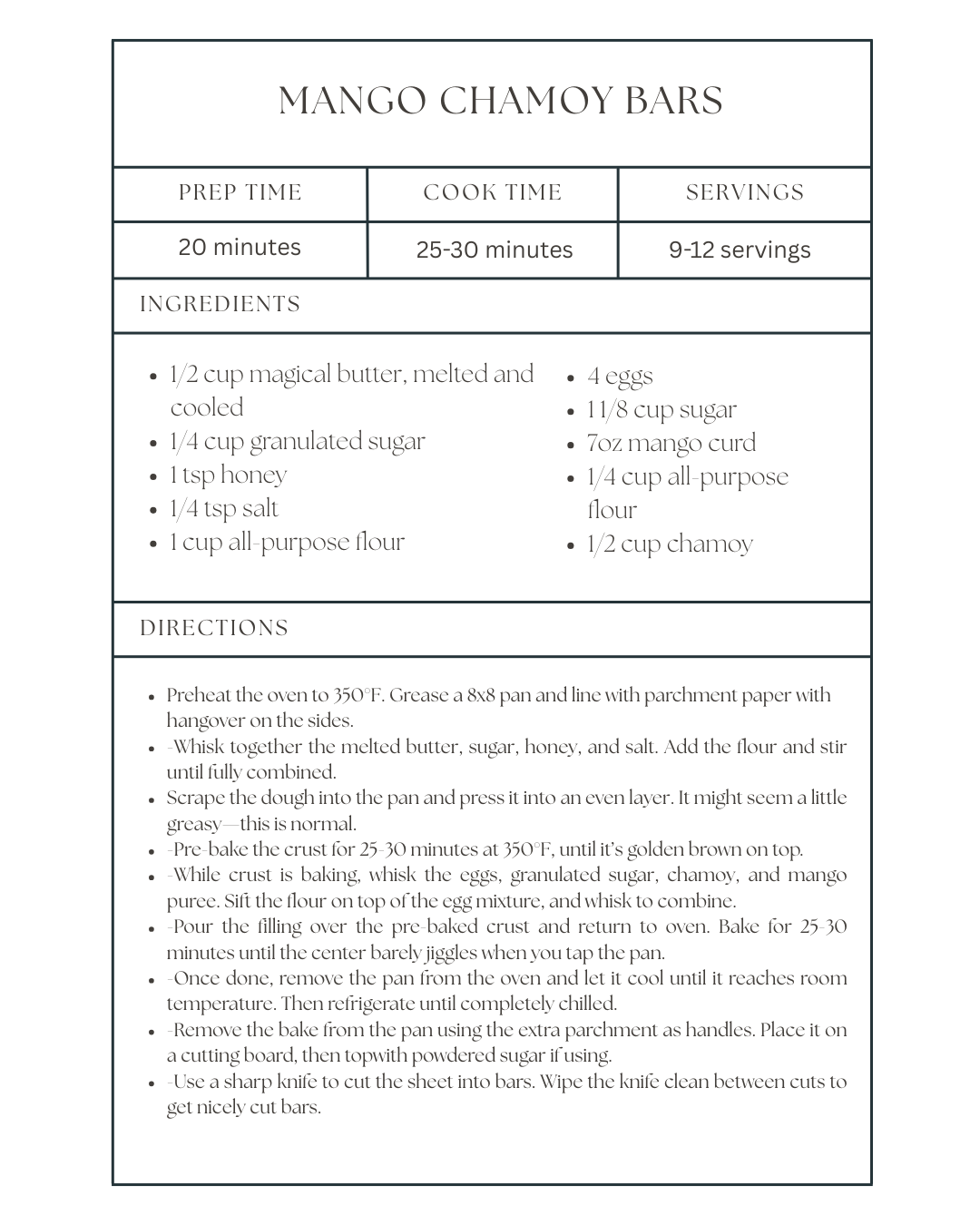
WA: Money is always good. We love to partner with you, and we're excited there's a recipe that you're going to share with us. Can you tell us about it?
RH: So I have a couple different recipes. I'm doing this one for a holiday party and I'm super excited about it. It's a mango chamoy bar, like mango chamoy curd bar. I'm making a pie just to see if everything can be stable, because I like to do a test. But what it basically is, is a lemon bar structure that I show how to make a homemade chamoy and how to swirl it in, like one of those mango natas like you find in Mexico. It's cold now. I like to have warm flavors or at least pretend I'm in a tropical place when it's 30 degrees. Just manifesting for the summer.
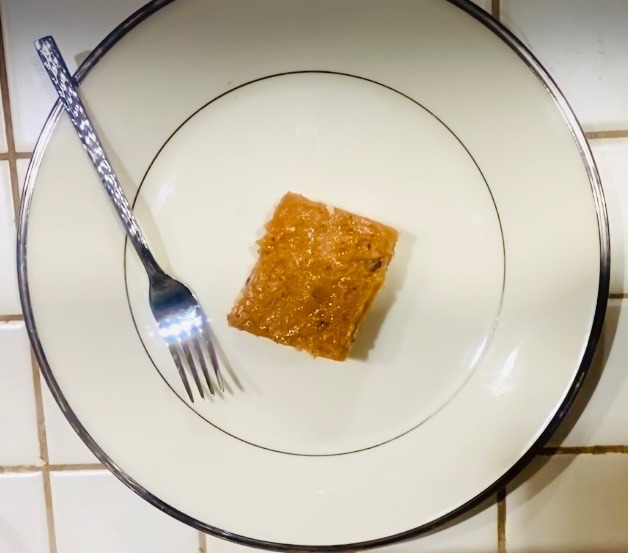
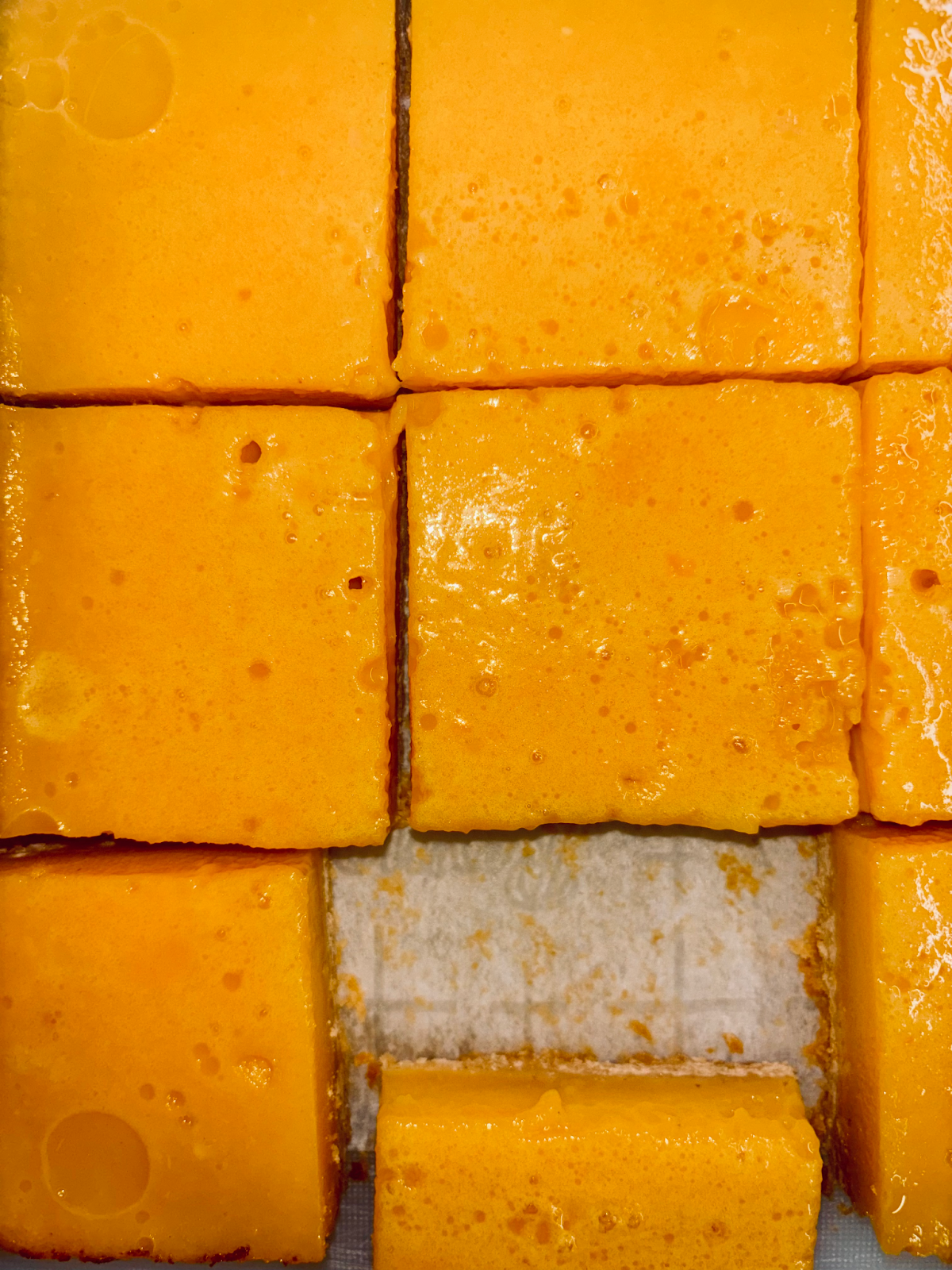
Recipe by Rhiana Hernandez
WA: Beautiful. What do you have coming up that you want to share with the community? Any workshops or events where people can find you?
RH: You can always book me for classes online if you want to learn how to do infused recipes, how to change one or make something new to fit a different dietary restriction or lifestyle. I play with my band a lot, and I'm doing a show at Bridge and Tunnel in January, I believe, on the 29th, but I'll send you a confirmation. I'll make sure the right date is out, but we will be at Bridge and Tunnel next month. And I'll also likely be doing some workshops with The Travel Agency. Their workshop program is growing. Hopefully, I'll be in your living room if you want to book with me. Thank you.
Stay in touch: Instagram | Substack

Today marks the beginning of Latine Heritage Month which runs from September 15 to October 15. As a brand whose founder has roots in Mexico and Puerto Rico, we’re proud to highlight the culture and contributions of others throughout the diaspora.
Whether in the Bay, Brooklyn or beyond, they’re bringing the sabor to the people. From restauranteurs, healers and comedians, to plant medicine providers, activists, artists, and editors, they’re proudly celebrating by centering the culture and community.
Give them a follow and support their work!
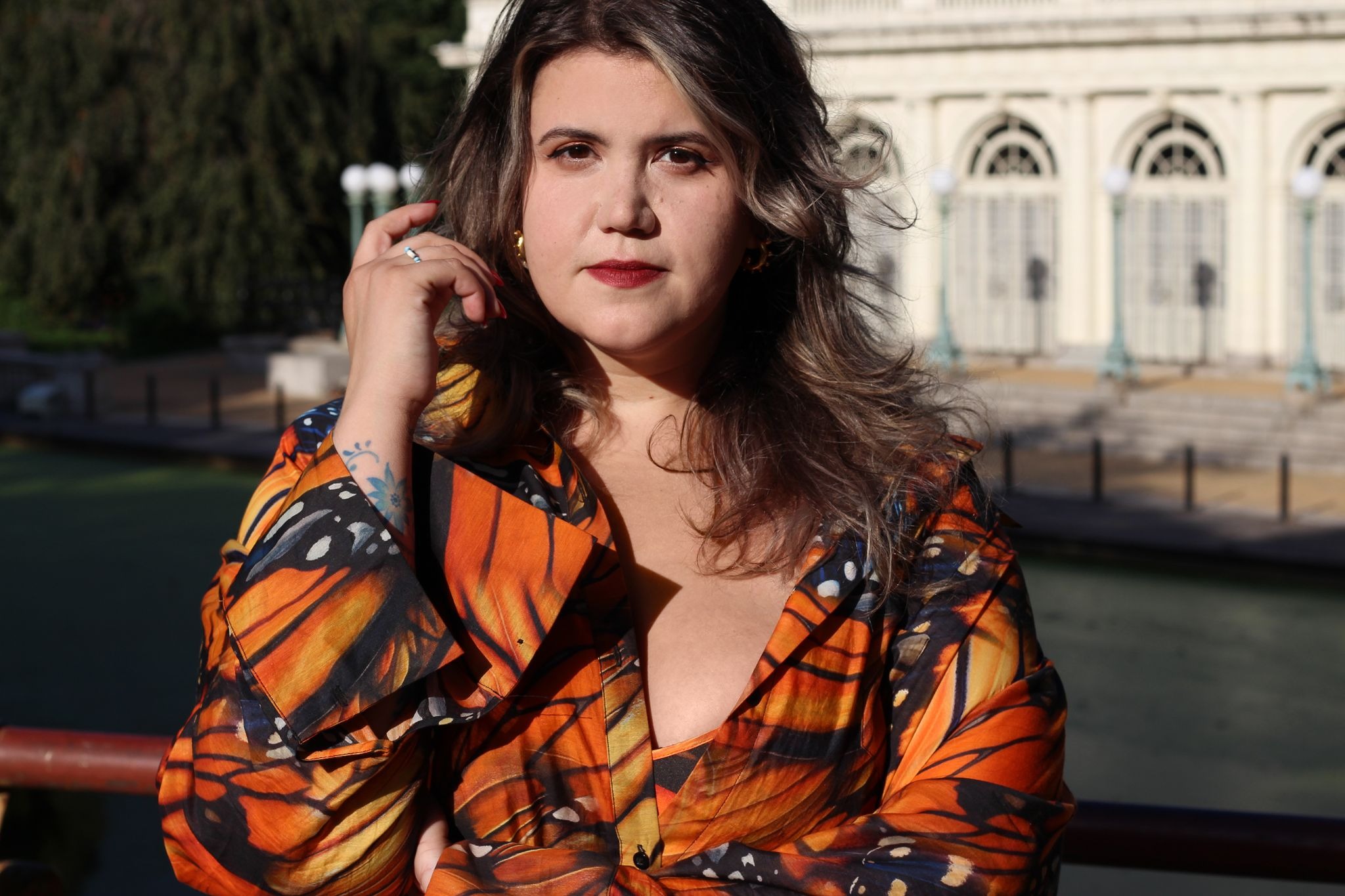
SASS is a Brooklyn-based functional adaptogenic and low dose hemp confectionery and wellness brand creating premium infused chocolates, gummies, drinks, and sensory activations rooted in pleasure and community. Our expertly dosed fine products are vegan, gluten-free, made exclusively with the freshest ingredients and locally sourced botanicals. Founded, led and staffed by queer folx, women, and the global majority. We started SASS to celebrate the unique allure of plant medicine by handcrafting treats that work with their flavors and effects instead of against them.
Location: Brooklyn, NY
@cultivate.sass | sassbk.com
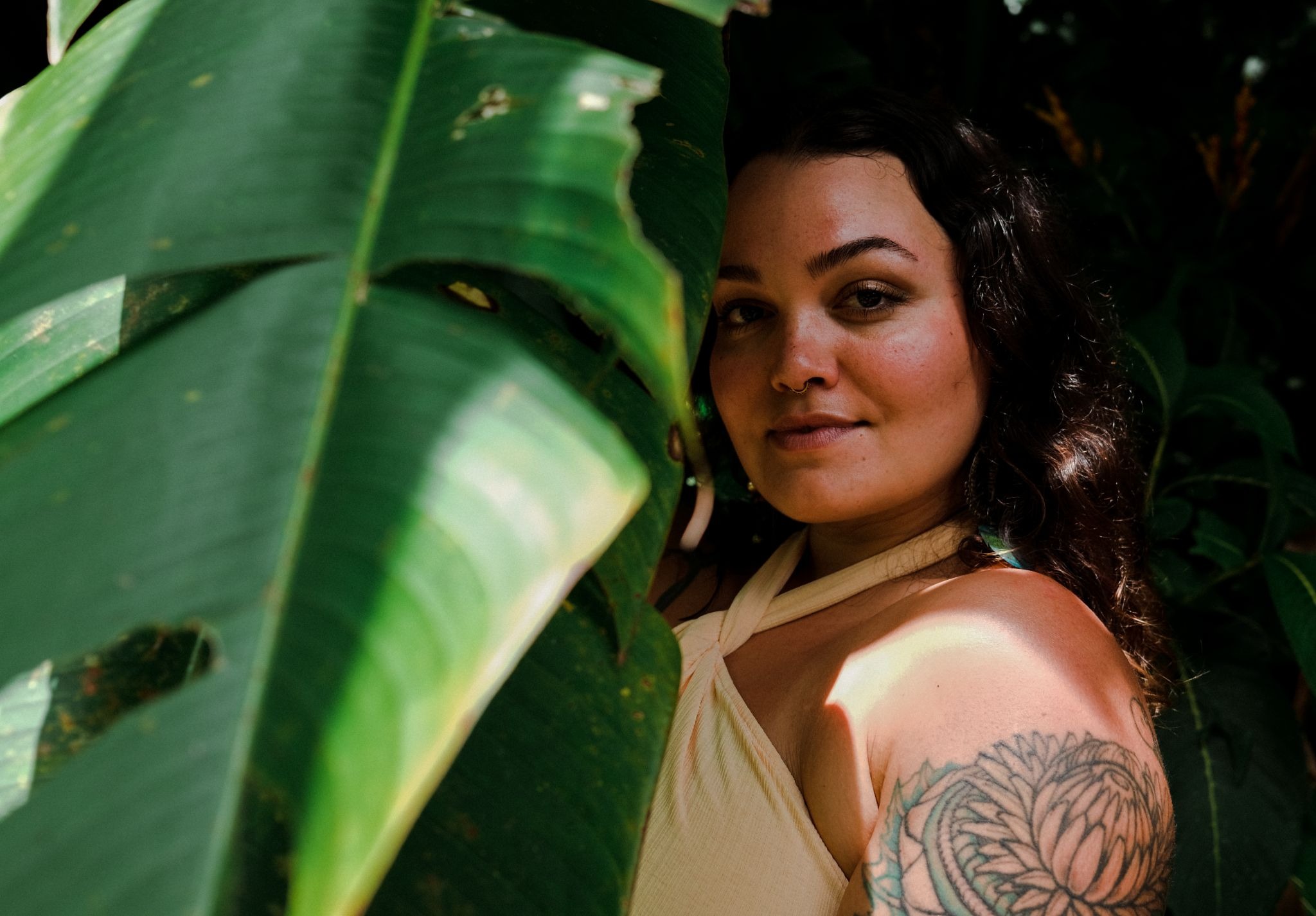
Yabisi Centro is a modern botanica and school rooted in ancestral plant medicine, ritual and the healing traditions of the African and Caribbean diaspora. Our apothecary offers handcrafted herbal medicines and ritual tools—from Smoke or Steep blends and flower essences to tinctures, ritual oils, microdoses and altar goods—created to support protection, embodiment, remembrance and connection. Through our medicines, classes and School of Remembrance, Yabisi bridges ancestral wisdom with practices for tending the body, spirit and everyday life.
Location: Bronx, NY
@yabisi_centr0 | yabisi.co
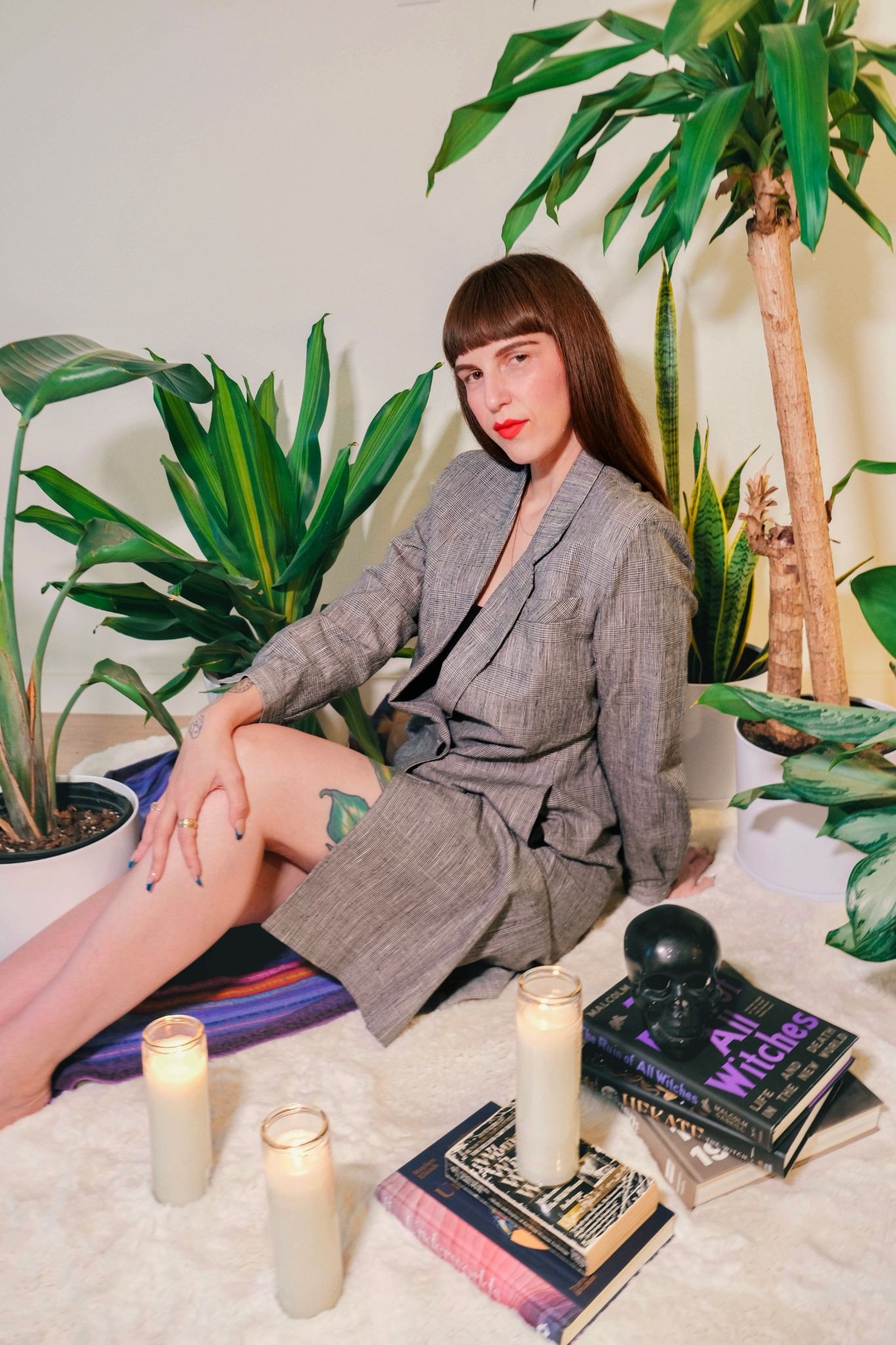
Riobamba is an Ecuadorian-Lithuanian sound artist, death doula, and cultural activist. Her interdisciplinary practice is grounded in ancestral veneration, bone-deep listening, and presence with seen and unseen worlds. As a DJ, Riobamba’s rowdy, bass-heavy live sets reflect back queer diasporic nightlife’s power as a site of joy and resistance, amplifying connective tissues between YouTube clips, bodega soundtracks, and noise hyperreality.
Location: Austin, Aquí, Allá
@riobambaaa | riobamba-dj.net
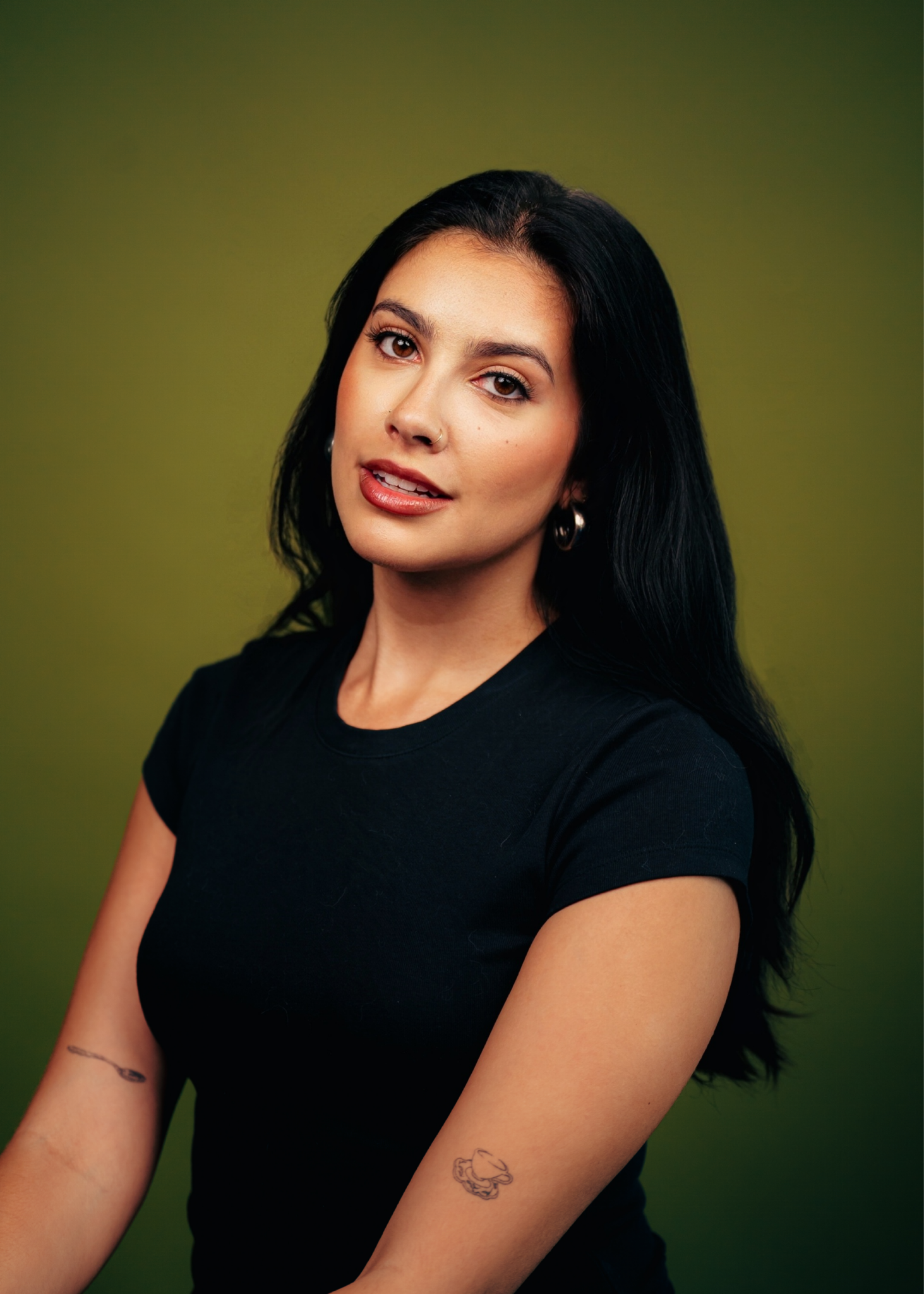
Hot Girls Organize (formerly known as Hot Girls for Zohran) is a women-led nonprofit empowering young people to participate in political organizing both locally and nationally. HGO leads with community, meeting young people where they are most comfortable and cultivating a safe space that allows them to develop as both individuals and organizers. Through engaging events, accessible content, and meaningful partnerships, HGO seeks not to bring culture into politics but to shift culture itself towards action + inclusivity.
Location: Brooklyn, NY
@hotgirlsorganize | hotgirlsorganize.com
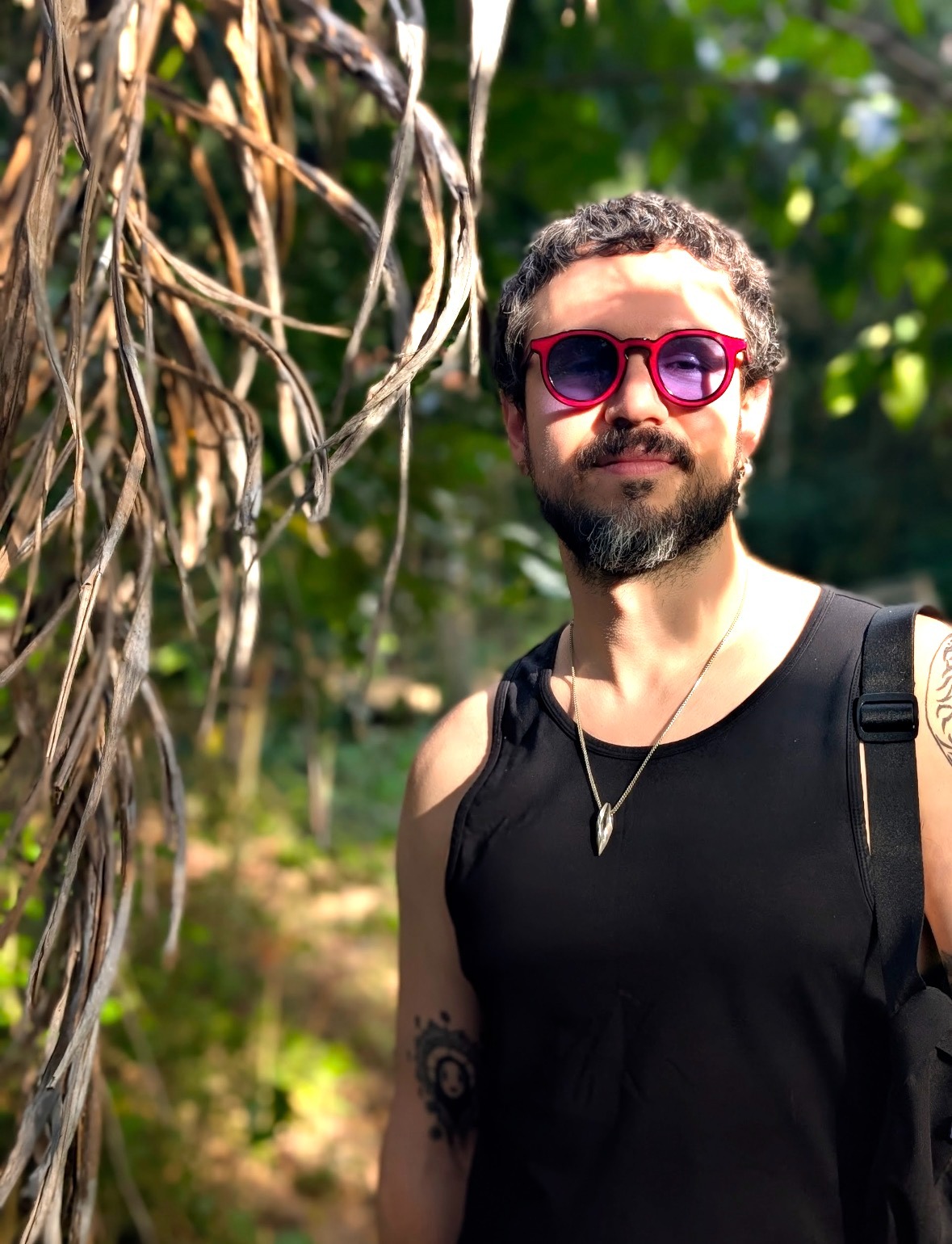
The Other Magazine is New York's leading lifestyle & culture publication covering cannabis culture, psychedelics, wellness, music, art, and travel across NYC, Long Island, and the Hudson Valley. Launched to be a definitive voice for the regional cannabis community, it is distributed across licensed dispensaries throughout the area and publishes seasonal print issues alongside daily digital commentary.
Location: Brooklyn, NY
@theothermagazines | theothermagazines.com
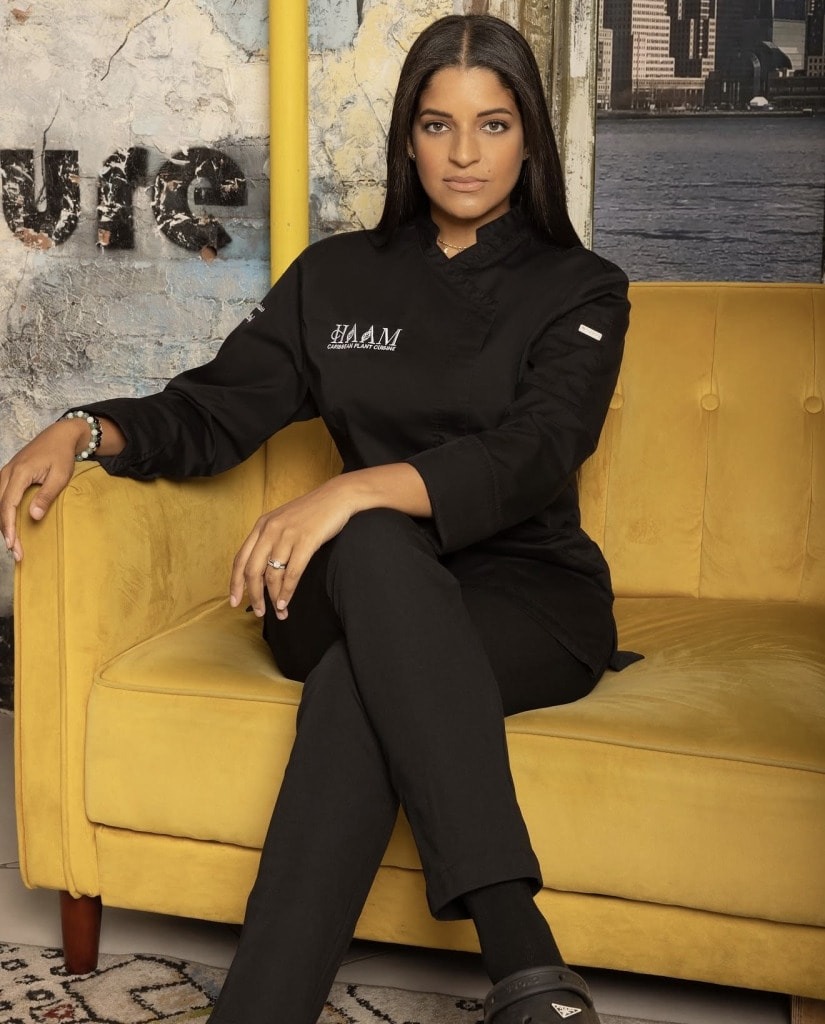
HAAM Caribbean Plant Cuisine (Healthy As A Motha) is a Brooklyn based restaurant founded by Dominican-American Chef Yesenia Ramdass, born and raised in Washington Heights. Rooted in her Dominican heritage and influenced by the Trinidadian culture she has embraced through her husband and children. HAAM reimagines Caribbean dishes, spices, and nostalgia through a modern culinary lens. HAAM is a celebration of culture, flavor, and the stories passed down through food. Created for us, by us.
Location: 234 Union Ave, Brooklyn, NY 11211
@healthyasamotha | healthyasamotha.com
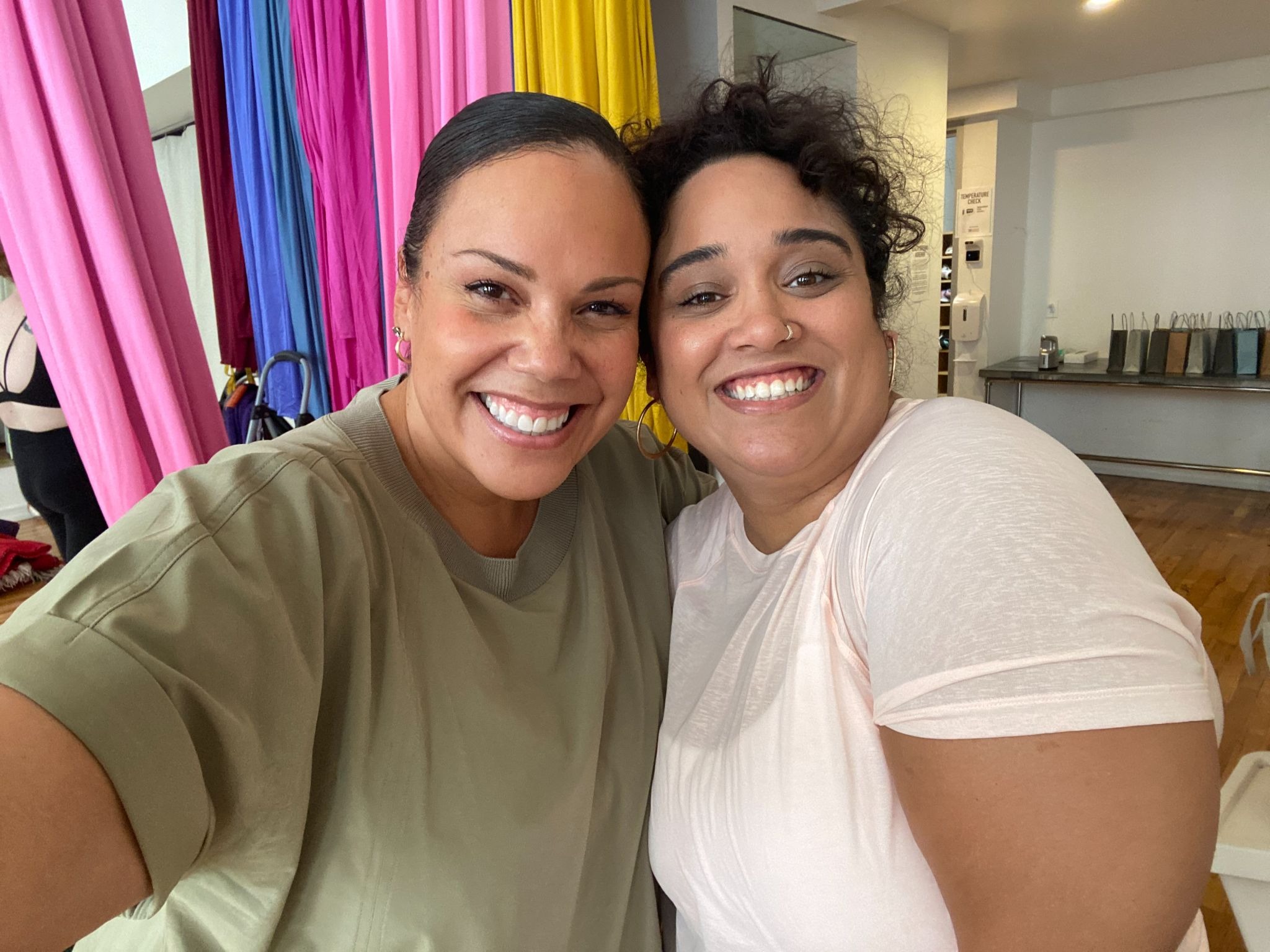
Power Plus Wellness is building a bold, body-affirming wellness space where bodies are celebrated, not fixed. We are a Latina-owned boutique event company that curates life-enhancing movement and immersive wellness experiences for the plus size community to jiggle freely, fly with silks, unlearn diet culture, and joyfully exist together. Our offerings free minds, bodies, and hearts from perceived limitations.
Location: NYC
@powerpluswellness | powerpluswellness.com
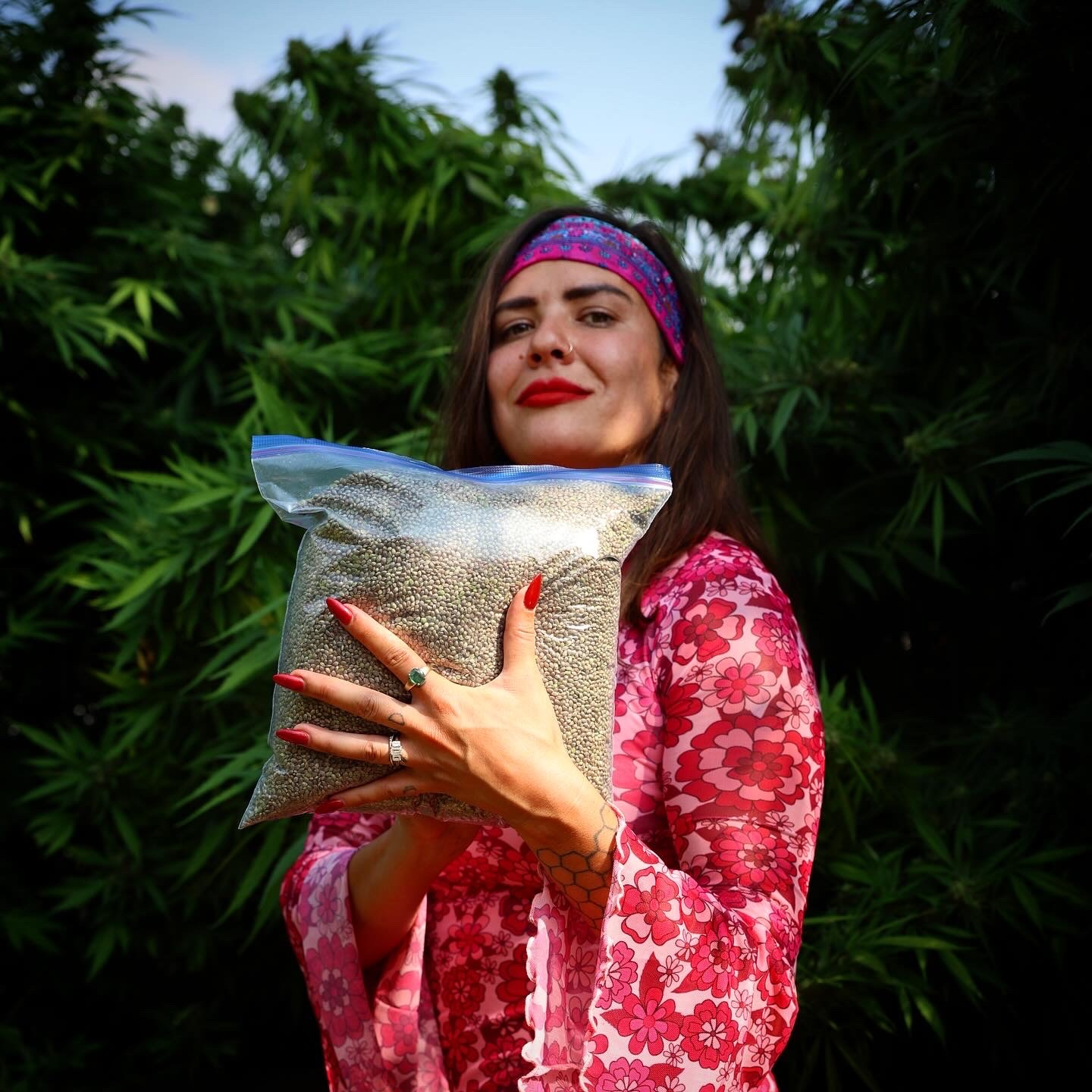
Ranchera Familia is a Latina-owned, USDA-licensed industrial hemp farm rooted in California’s Central Valley, founded by cultivator, breeder, and educator Sue “Ranchera Mami” Carlton. With more than a decade of cultivation experience, Sue combines regenerative farming, genetics, education, and community-focused agriculture to create a farm that goes beyond the field. Ranchera Familia is dedicated to preserving agricultural knowledge, creating hands-on educational opportunities, and increasing representation for women and Latinas in cultivation.
Location: Fresno County, CA
@rancheramami | rancherafamilia.com
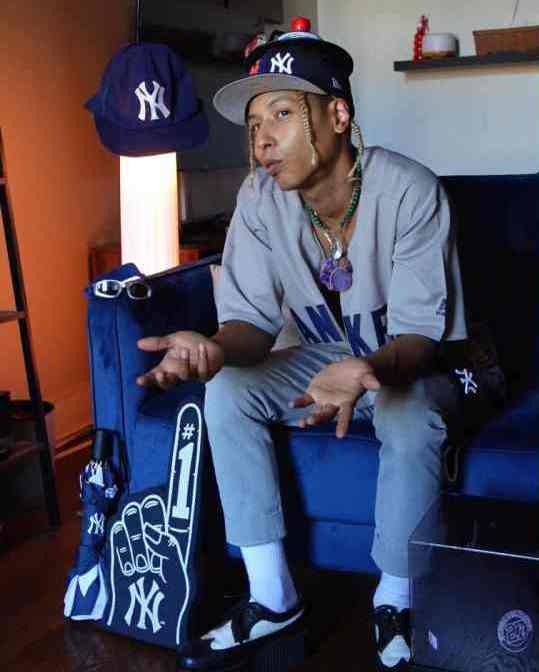
The Weedcyclers is a recycling waste removal and upcycle service. They provide cannabis businesses with donation box receptacles to collect and provide correct disposal of cannabis waste. They then turn more than 50% of our waste into Up-Cycled sustainable items such as belts, wallets, tote bags, hand bags, backpacks and more! Started in the South Bronx in 2025 and have been featured on the New York Times and more. Our Co-Founders consist of Ari Serrano - Puerto Rican Fashion Designer/Manufacturer living in the BX. and Jonathan Cooling. Found in dispos like Flynnstoned, Misha’s, Astoria Bud Boutique, A&P Dispensary, Flower Power Dispensers, CONBUD Bronx Yankee Stadium, and Devils Lettuce.
Location: Bronx, NY
@weedcyclers
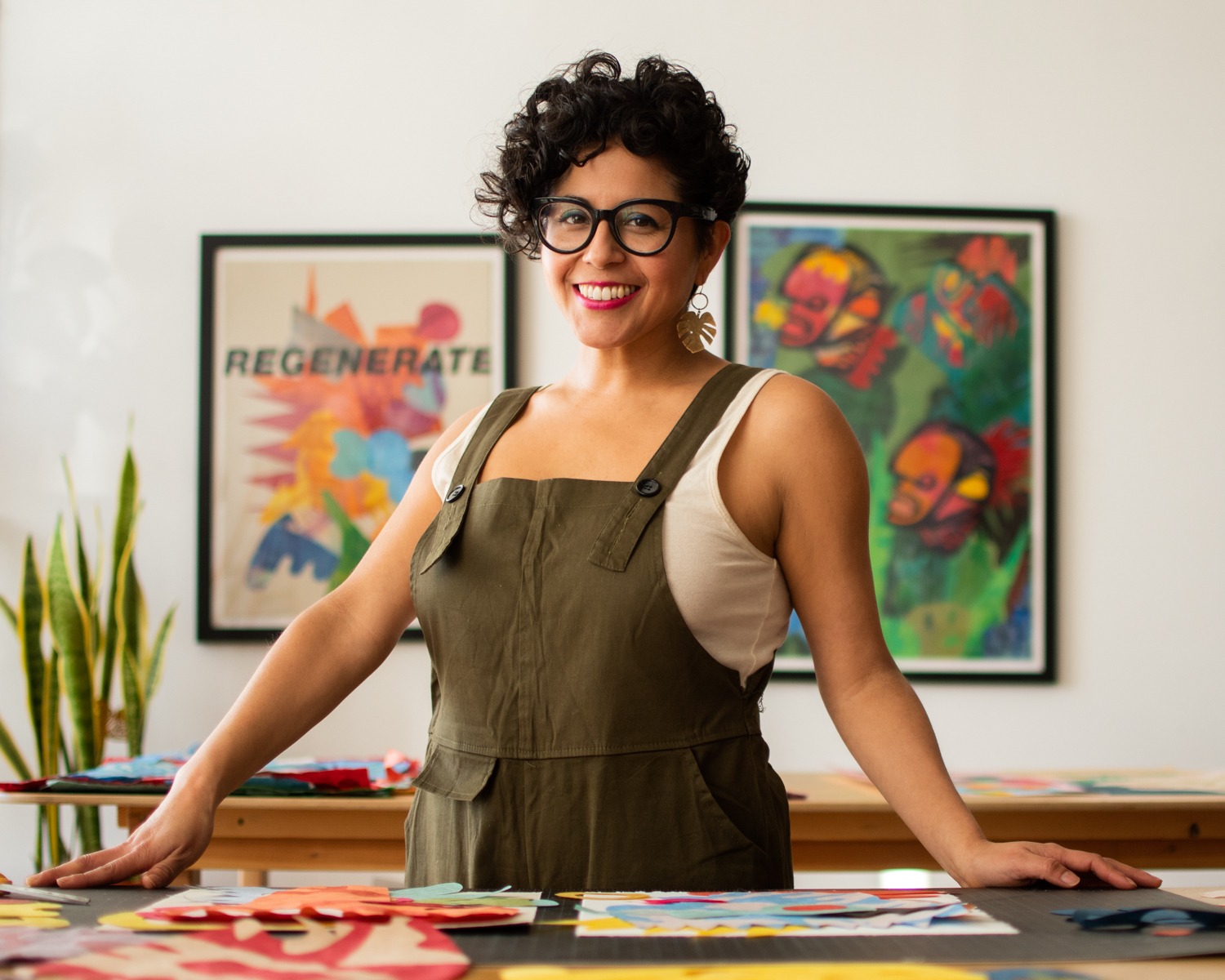
Favianna Art Studios creates original works, limited-edition prints, and large-scale commissions. Her colorful and poignant pieces are available in her online shop. Her art examines the most urgent issues of our time through unapologetically feral femme self-expression. Founded and led by Latina interdisciplinary artist Favianna Rodriguez, the studio produces fine art, mixed-media pieces, and public art projects rooted in joy and healing. Favianna’s art has been commissioned by Google, the City of San Francisco, and Presidio National Park. Deeply engaged in social movements around the world, her art is both a reflection of and a catalyst for those movements.
Location: Oakland, CA
@Favianna1 | shop.favianna.com
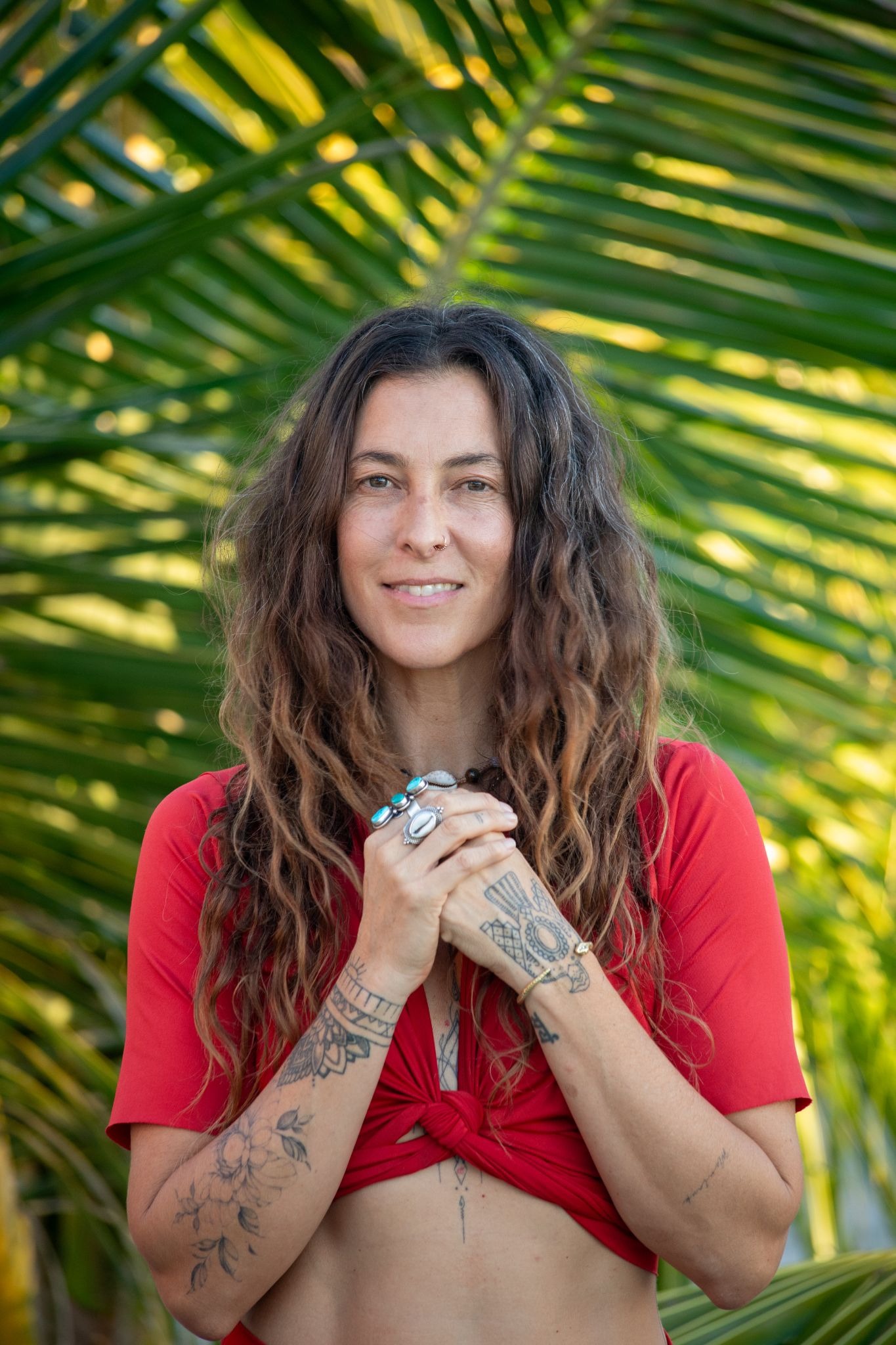
Maria Margolies is the founder of The Holixtic Method, a movement devoted to reclaiming women's bodies, pleasure, and power. For over 25 years as a yoga teacher, dancer and certified holistic coach, she has made it her mission to normalize the conversations around pelvic health, sex, and the female body that shame has kept silent, guiding women back to the truth of their bodies. Healing pelvic floor dysfunctions, postpartum wounds, and buried desire along the way. Through women's retreats, in-person events, and online programs, she teaches women to remember their power and feel whole, at home in their bodies and unstoppable in their own skin. Through Holixtic, an online community of 970K+ Maria is building a generation of women who talk about their bodies out loud, take up space and lead with them instead of apologizing for them.
Location: Asia/Colombia
@holixtic | holixtic.com
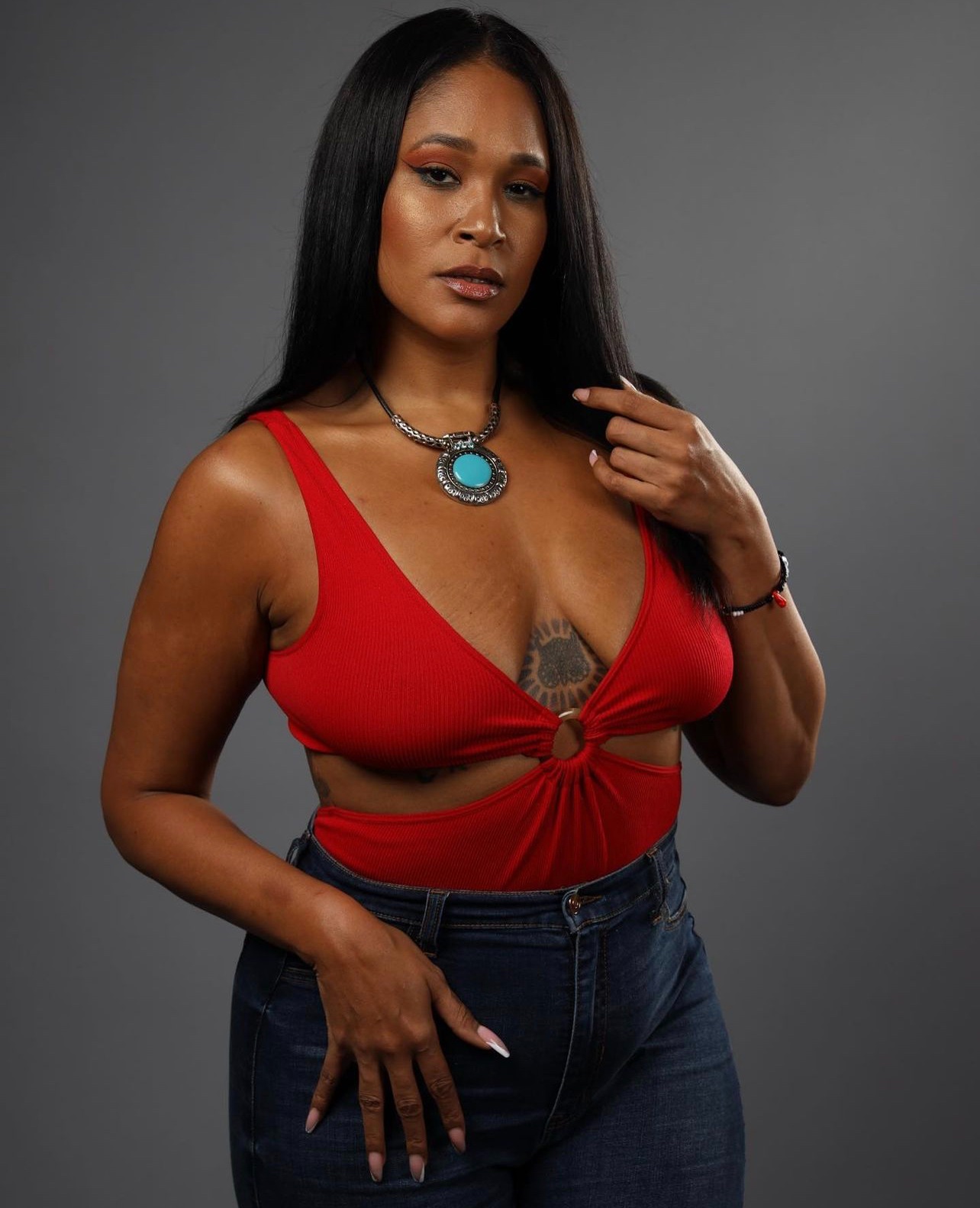
Black Rose brings bold energy, authentic storytelling, and culture-driven entertainment to every platform. Born and raised in Harlem with Dominican roots, Black Rose has performed at top comedy venues including Comedy In Harlem, Broadway Comedy Club, Caroline’s, and the New York Comedy Festival. Her acting credits include West Side Story (Steven Spielberg), In the Heights (Jon M. Chu), Chained, and Human Graffiti. With over 100K social media followers, Black Rose continues to expand her influence, including co-hosting Hot 97 Mornings with Mero, while producing “Say Sumptin Comedy” Ana impactful comedy show and lets not forget her creative content.
Location: Washington Heights, NY
@iamblackrosenyc |
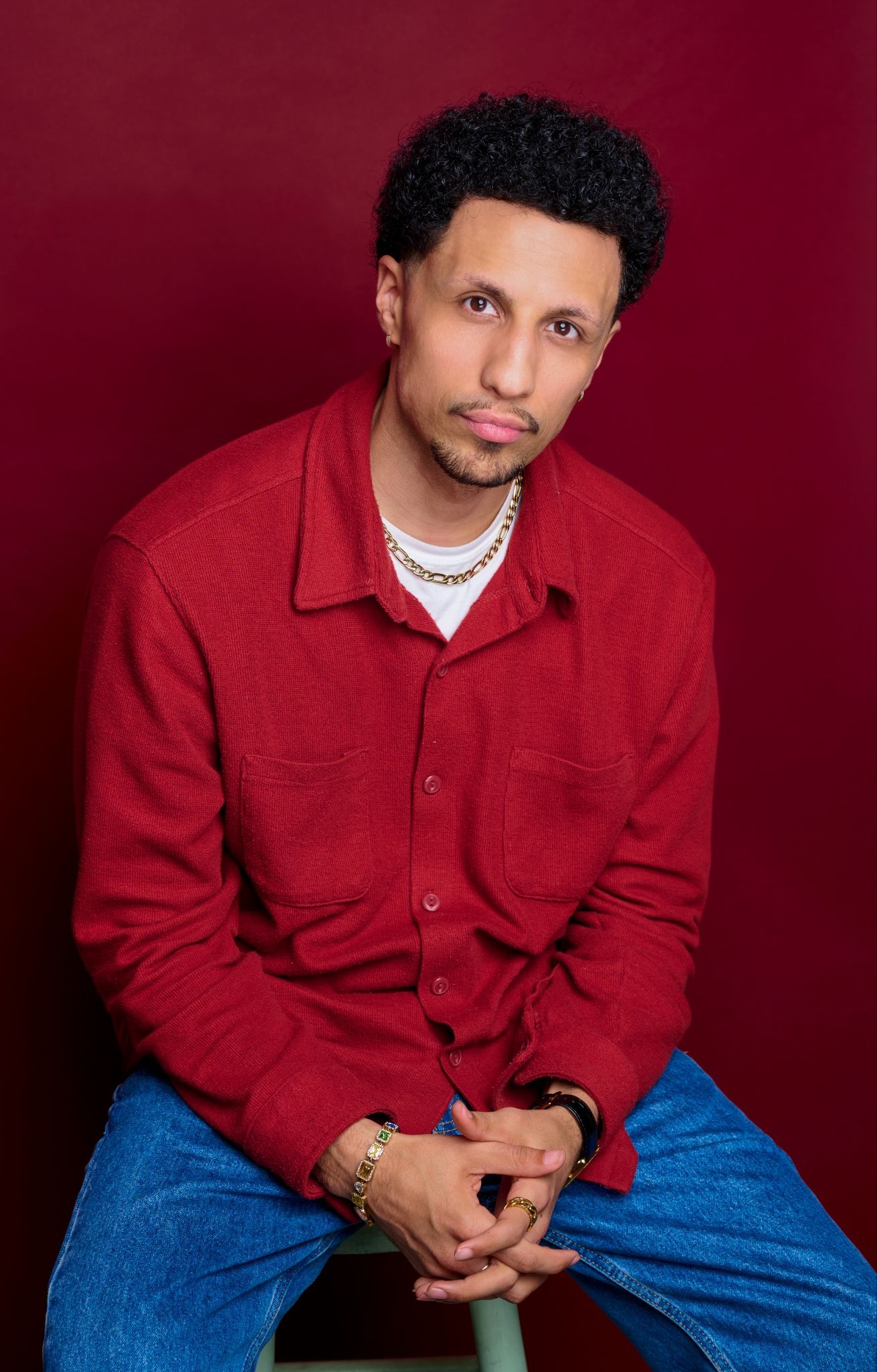
Cris Sosa's viral comedy and electric stage presence took him all the way to the Top 3 Quarterfinals of Season 21 of America’s Got Talent. His AGT run introduced Cris to millions of viewers, more than doubled his social media following, and earned high praise from the judges. Before AGT, Cris had already built a loyal audience through stand-up and viral sketches, earning the attention of Issa Rae, Mike Epps, and Steve Harvey and millions of views through his work with All Def. He has shared stages with Epps, Harvey, and KevOnStage and produced comedy shows featuring some of today’s most exciting comedic talent. With a rapidly growing audience and a voice shaped by his Houston upbringing, Latino culture, and life in New York City, Cris Sosa is bringing that momentum to stages across the country — and he’s just getting started.
Location: NYC
@cristinososa | crissosa.com
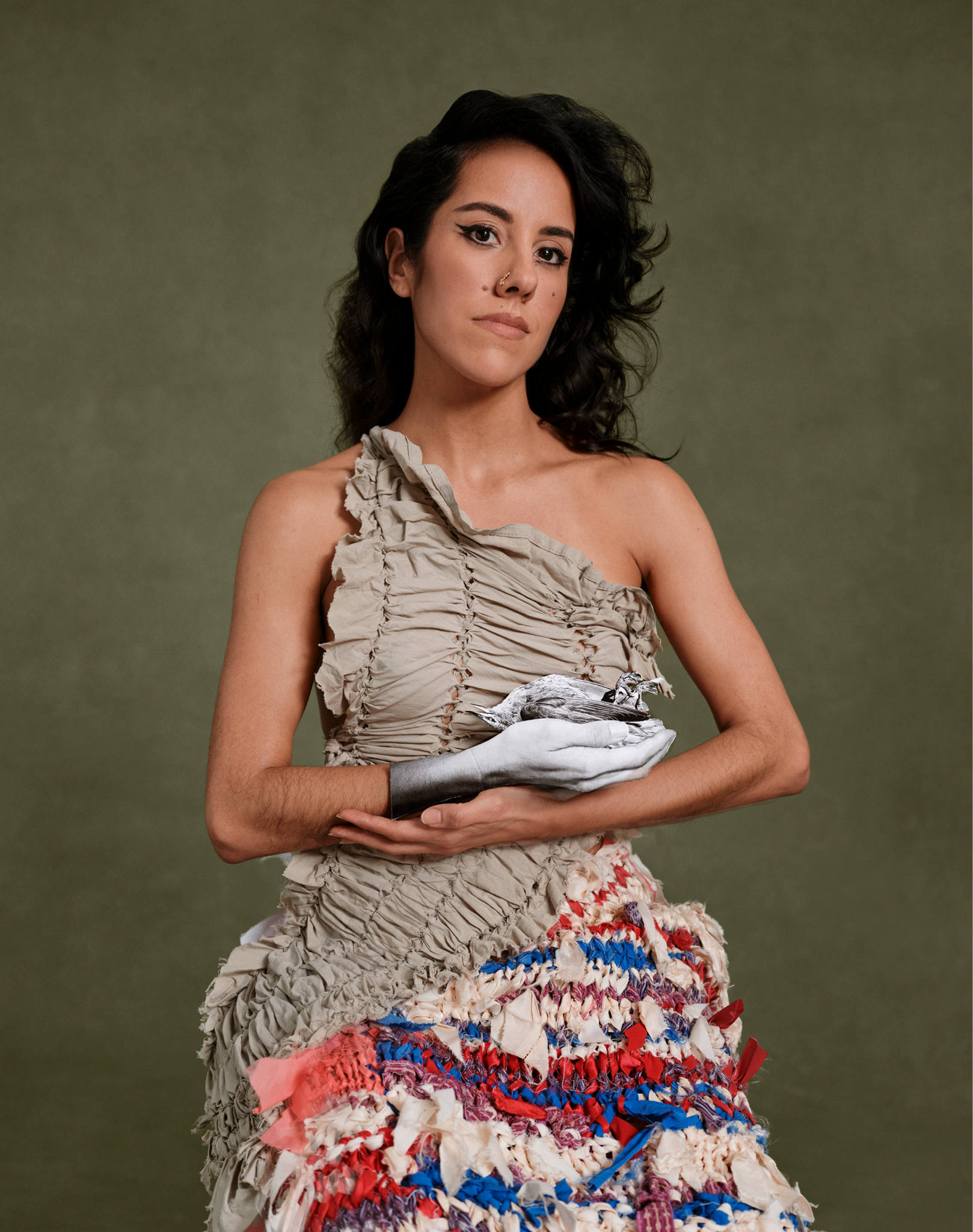
Yara Travieso is a Brooklyn-based Cuban-Venezuelan artist and director working across performance, theater, film, and ritual, whose practice treats the body as both archive and ecosystem. Drawing on the absurd, the matrilineal, and deeply felt experience, she creates hybrid spectacles that explore survival within violent systems. She is the recipient of the prestigious 2026 Doris Duke Award, a United States Artists Fellowship, a Creative Capital Award, the inaugural Jacki Apple Award, Open Interval Fellowship, among many others; she is also on faculty at The Juilliard School where she received the John Erskine Faculty Prize. Her productions and films have been presented at Park Avenue Armory, Lincoln Center, Performance Space New York, The Chelsea Factory, The Knockdown Center, Opéra National de Lorraine in France, New World Symphony Center, EMPAC, El Museo del Barrio, the Museum of Contemporary Art Chicago, SXSW, PBS, and the Museum of the Moving Image, among many others.
Location: Brooklyn, NY
@yaratravieso | yaratravieso.com
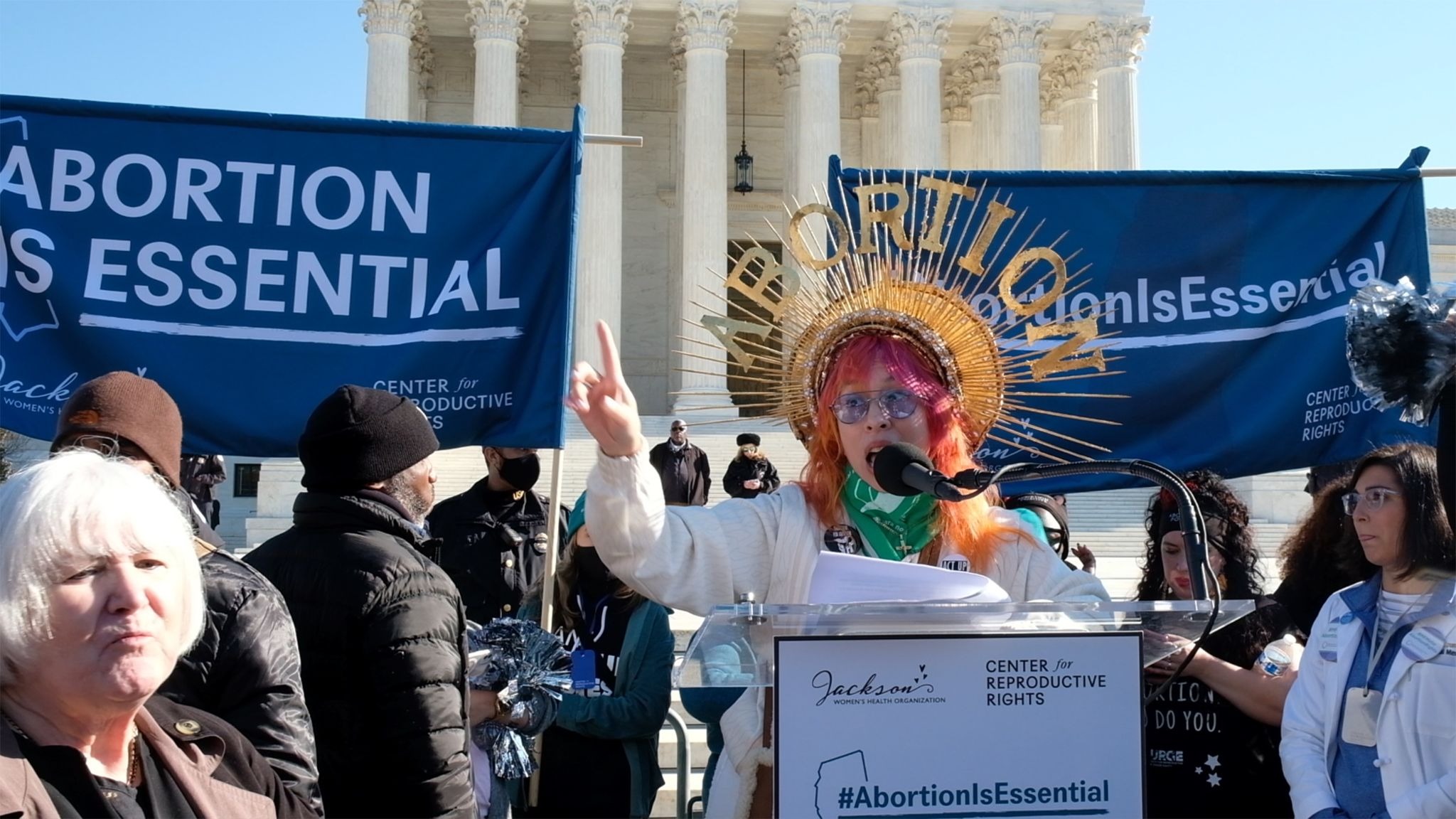
Viva Ruiz (shethey) is a community/family/nightlife/sex work educated artist, progeny of factory working Ecuadorian migrants born and raised in Jamaica Queens. Proud to also be the “daughter” of beloved Chloe Dzubilo, punk rock trans femme activist. Ruiz has been building power and birthing pro-abortion aesthetics since 2015 with the #thankgodforabortion experiment, not an organization but a wild and worldwide organism. Viva is a 2022 Creative Capital grantee and 2022 Art Matters fellow. They are intentional about time bending, intentional about ecstasy and rage, intentional about calling more beautiful worlds into being with and in service to the spirits that walk with them.
Location: Brooklyn, NY | Portoviejo, Ecuador
@thankgodforabortion @viva_lalaruiz | www.thankgodforabortion.com
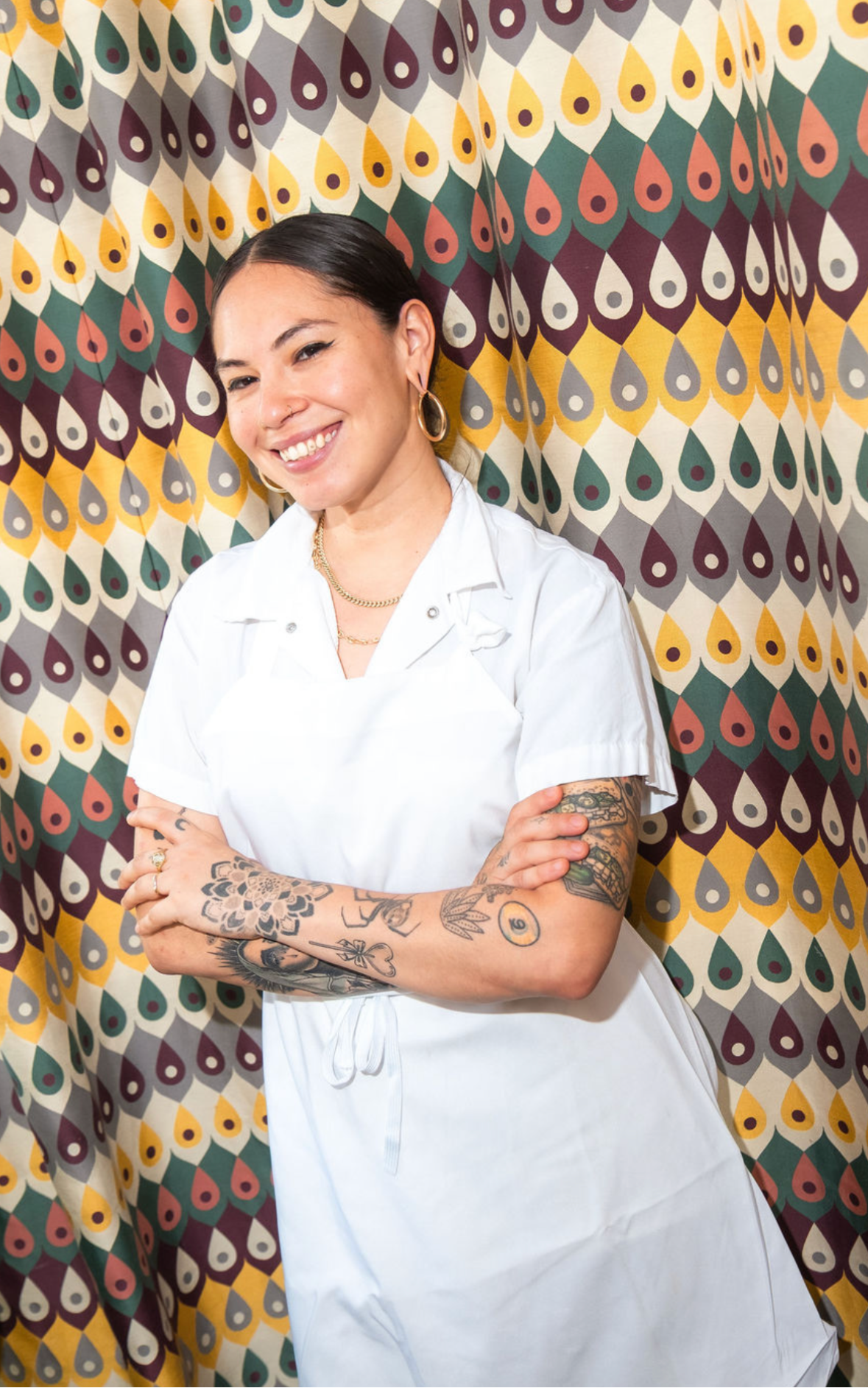
Yara Herrera is the chef/partner at Mexican-American restaurant Hellbender in Ridgewood, Queens. Born and raised in Los Angeles as a first-generation Mexican-American, Yara launched her culinary journey at 20 years old. Yara moved to New York in 2019 and continued to work through some of New York’s best restaurants including Momofuku Ko and Sobre Masa. Yara’s first solo project, Hellbender, was quickly established as a standout dining destination. The restaurant was named one of Esquire’s Best New Restaurants for 2024 and granted a two-star review in The New York Times. Hellbender was also named in The New York Times’ list of 100 Best Restaurants in New York City for the second consecutive year in 2026. Yara was also named one of StarChefs Rising Stars in 2025 and has appeared as a guest judge on Beat Bobby Flay.
Location: 68-22 Forest Ave, Ridgewood, NY 11385
@hellbendernyc | hellbendernyc.com
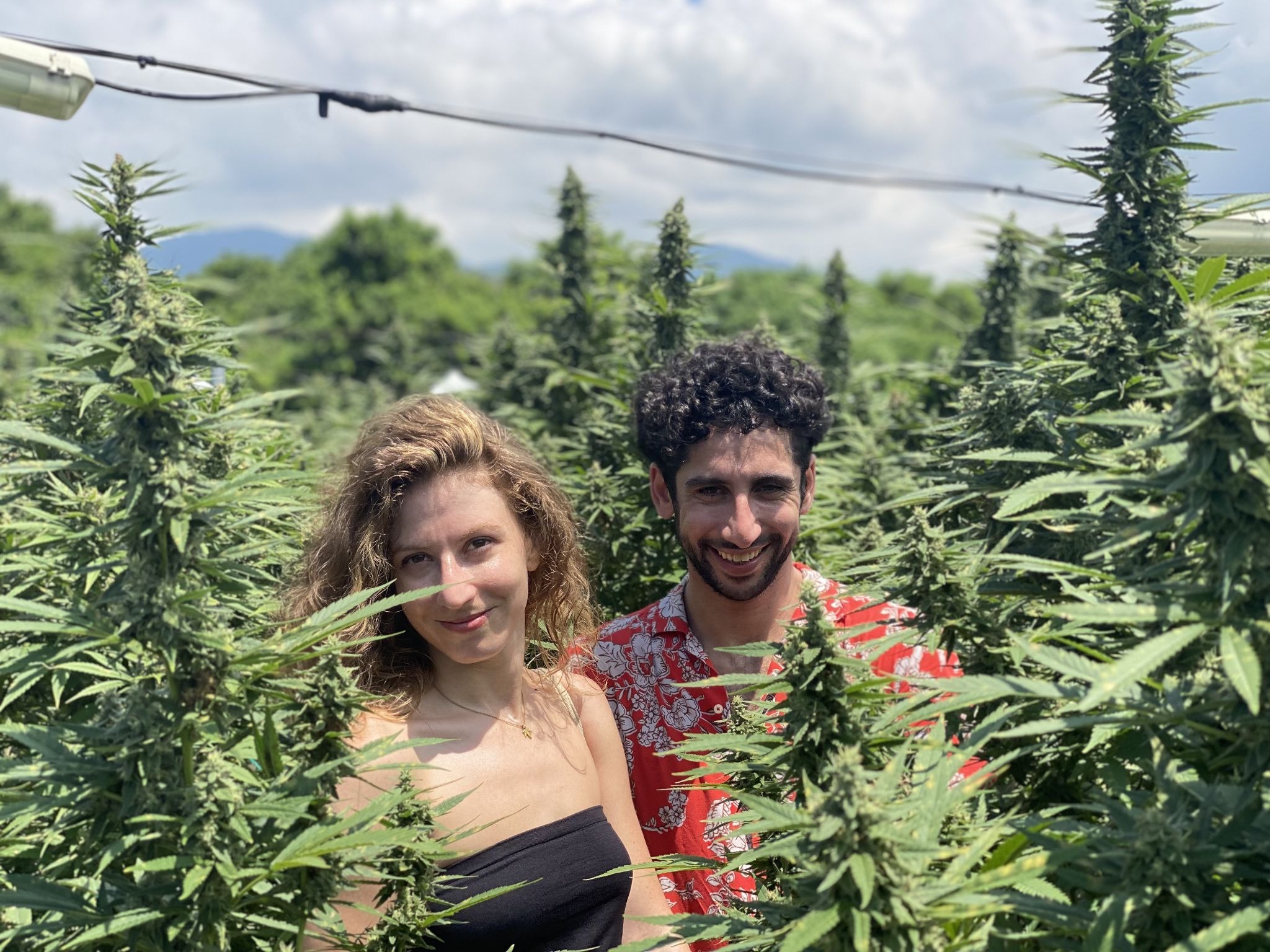
Javier Hasse and Natalia Kesselman co-founded El Planteo, an independent publication covering cannabis, psychedelics, music, gender, ecology, economics and more. Javier has spent over a decade covering cannabis and psychedelics in both languages and wrote two books on the subject. He's a senior contributor at Forbes, a co-founder of IgniteIt, and has been named Journalist of the Year by both the Business of Cannabis Awards and the Emjays. Natalia is El Planteo's COO and Deputy Editor at High Times.
Location: Buenos Aires, Argentina | Florida, USA
@el.planteo | @hightimesmagazine | elplanteo.com
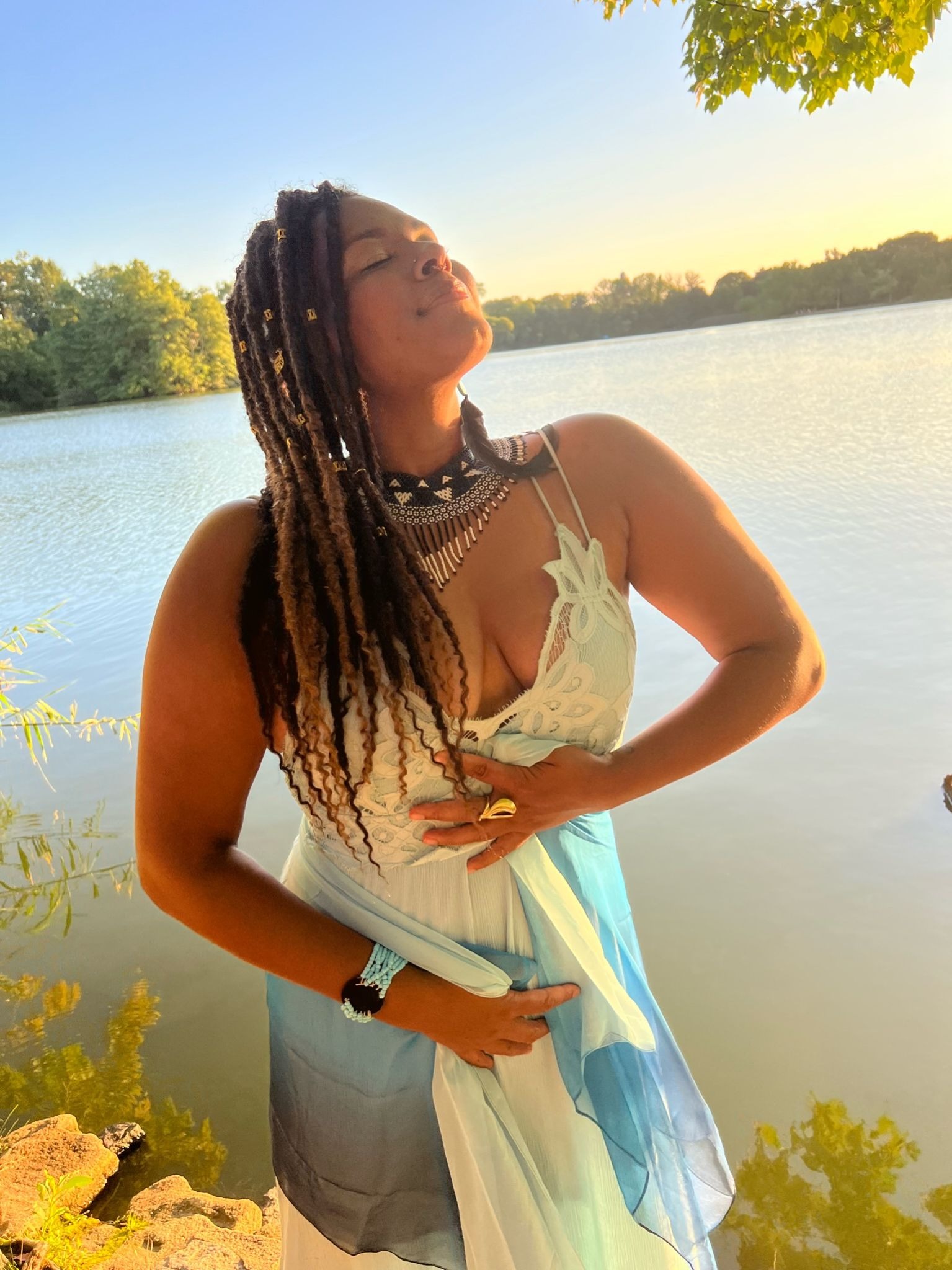
Sharisse Francisco (she/her) is a Queer, Puerto Rican Afro-Latina Vocal Artist, Sound Healer, Breathwork Facilitator, and Ceremonial Cacao Guide. Blending her theater background and years as a professional singer with her studies in holistic healing modalities and intuitive wisdom, she creates transformative experiences that nurture healing, self-discovery, authentic expression and foster meaningful connection.
Location: Westchester, NY | Brooklyn, NY
@iamsharissefrancisco | www.thevoiceembodied.life