SHOW NOW

SHOP NOW
SHOP NOW
SHOP NOW
SHOP NOW
SHOP NOW
SHOP NOW
SHOP NOW
SHOP NOW
SHOP NOW
SHOP NOW



This National Chocolate Day, we celebrated by filling some of our favorite rooms in Brooklyn to discuss the true history of cacao.
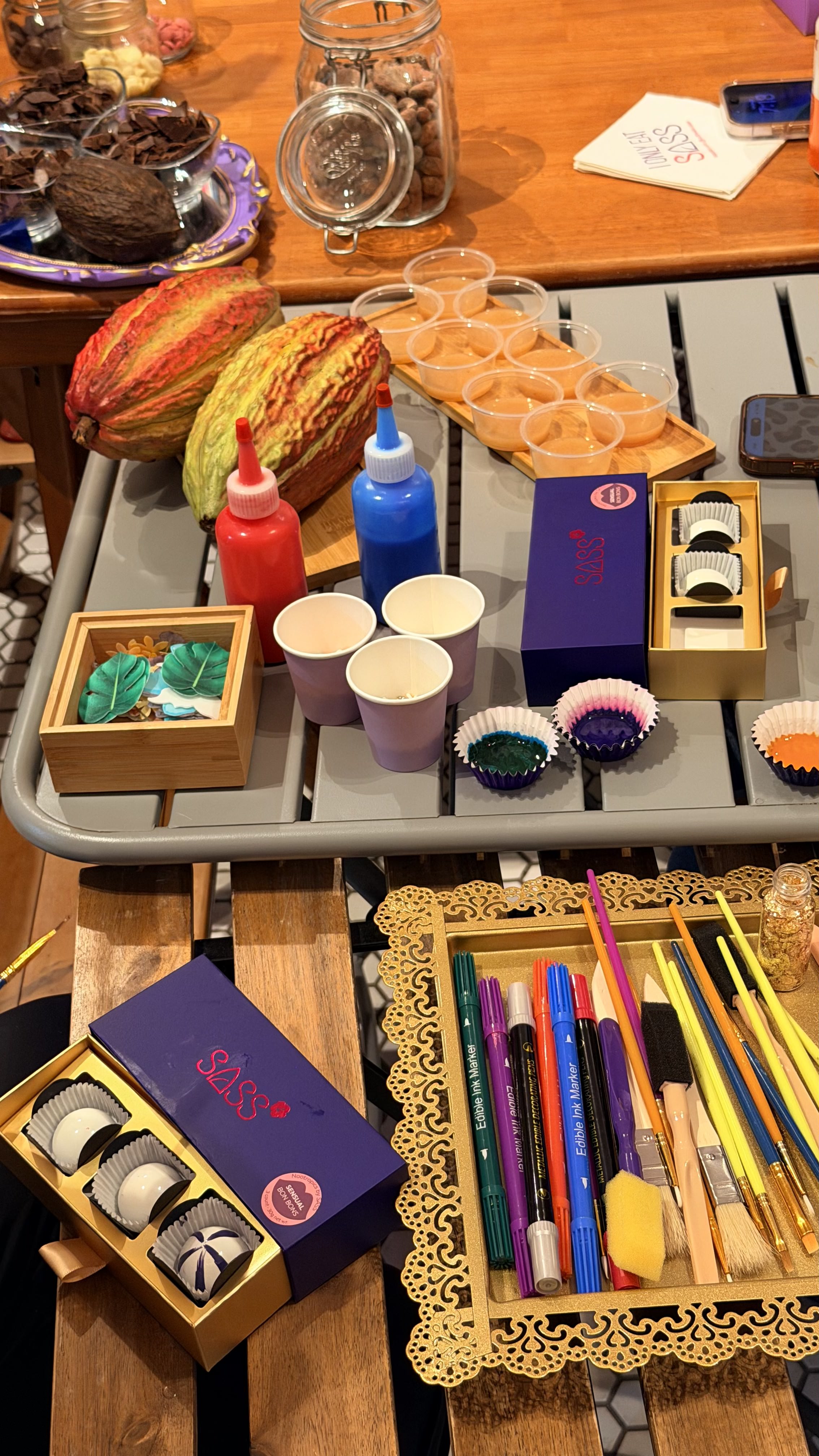
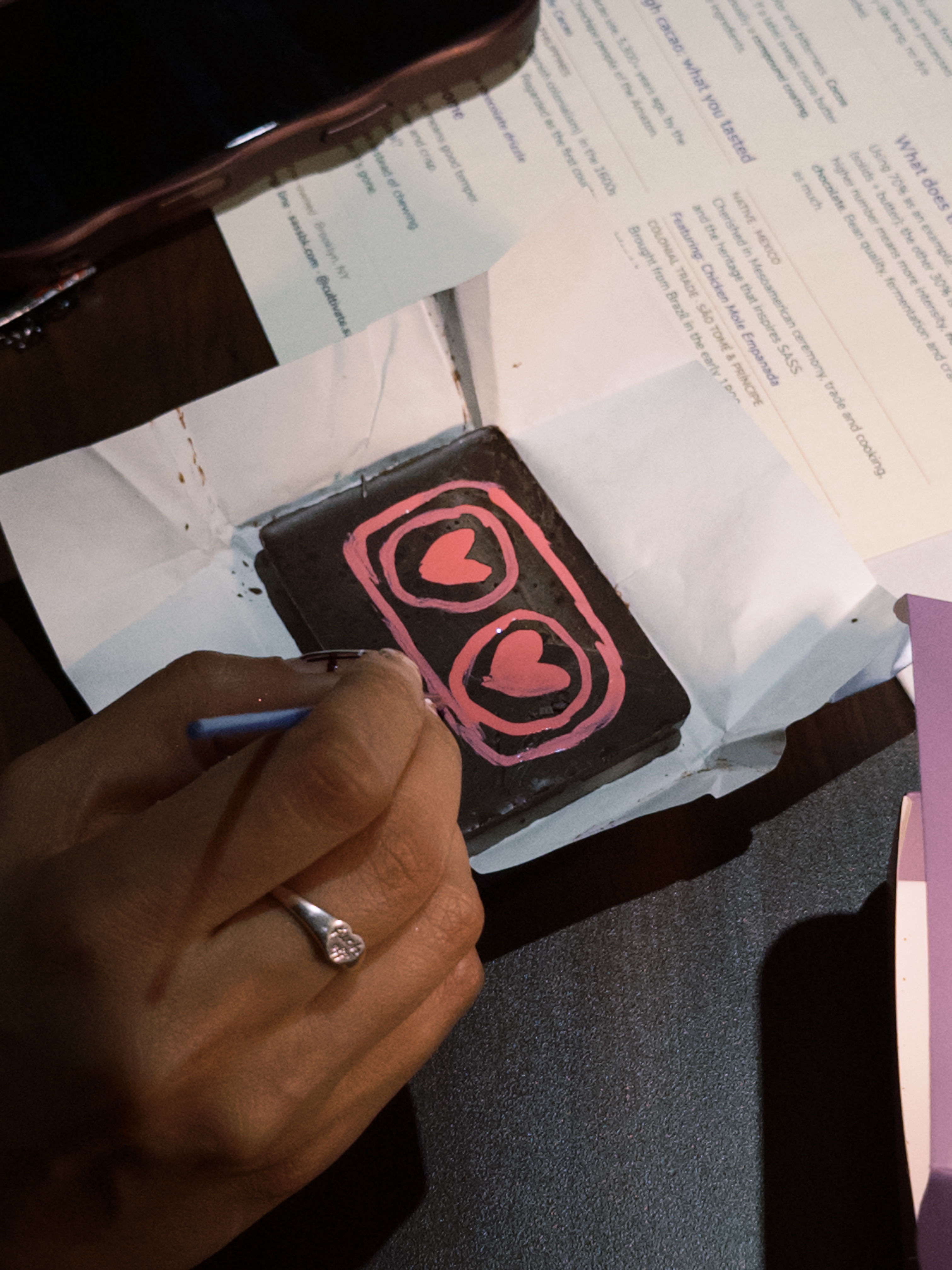
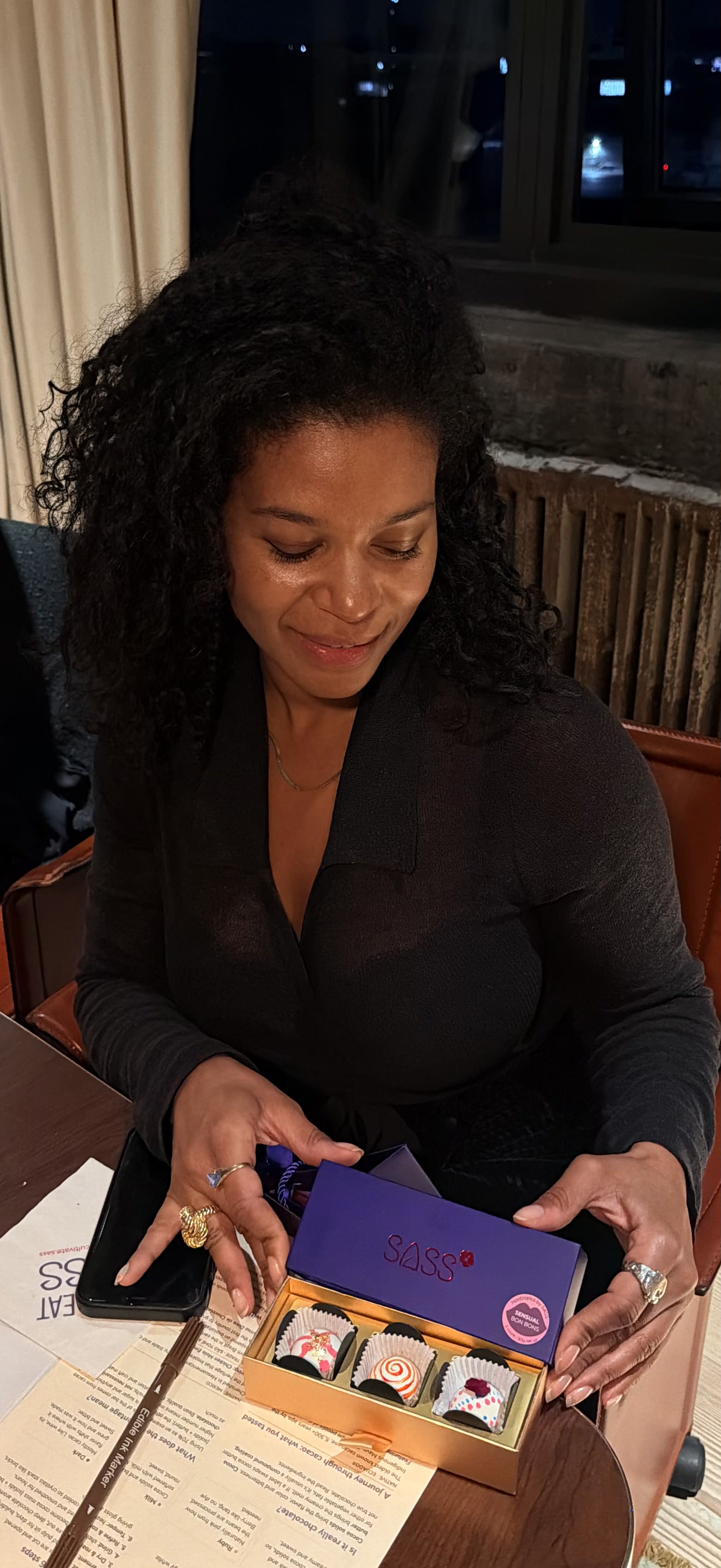
Led by SASS founder Mary Rosado and chocolatier Jen King, we started with an educational tasting and demo at SAA, sharing the process of how it’s grown, sampling real cacao fruit and chocolate (dark, milk, ruby and white) nib variations from around the world. Attendees delighted in turon dipped in tablea, arroz doce de chocolate, and jugo de cacao — representing chocolate culinary practices of the Philippines and Latin America. The evening concluded with the decoration of our FUNCTION chocolate bars and SENSUAL bonbons.
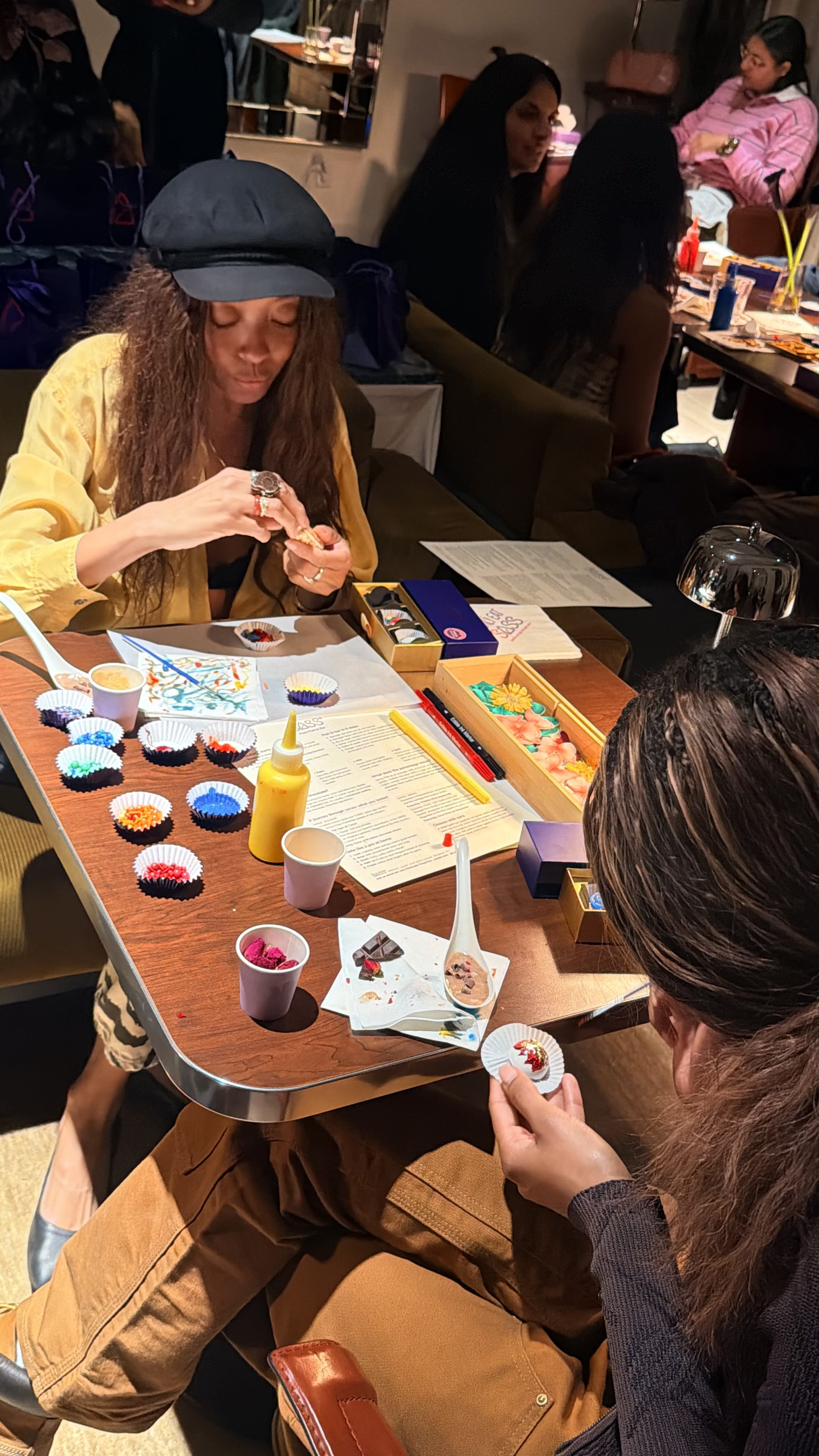
The next day we took the conversation to Hive Mind Books, focusing on cacao in beverage form. Attendees began by sipping on our noo brew FUNCTION Flat Fungi to energize the mind and UNWIND Lavender Cloud to calm the body made by HMB owner Jules Wernersbach. Then Mary kicked off the session with history and sampling the full variety. Guests then moved on to decorating bars and bonbons, discussing delicious details and deep history of cacao with their emotional support noo brew bevie.
Celebration cannot come without acknowledgement that: Chocolate, as we know it commercially, begins with slavery.
It was established by a US trade association that represents many popular brands in the confectionery industry. They have also been at the forefront defending trade loop holes in bills like the Tariff Act of 1930 that allowed goods made with forced labor to enter the U.S. if domestic production could not meet consumer demand. Under the Obama administration, Congress ended slave labor in cacao farming and production in 2016. Many popular companies still utilize slave labor to this day. SASS does not.
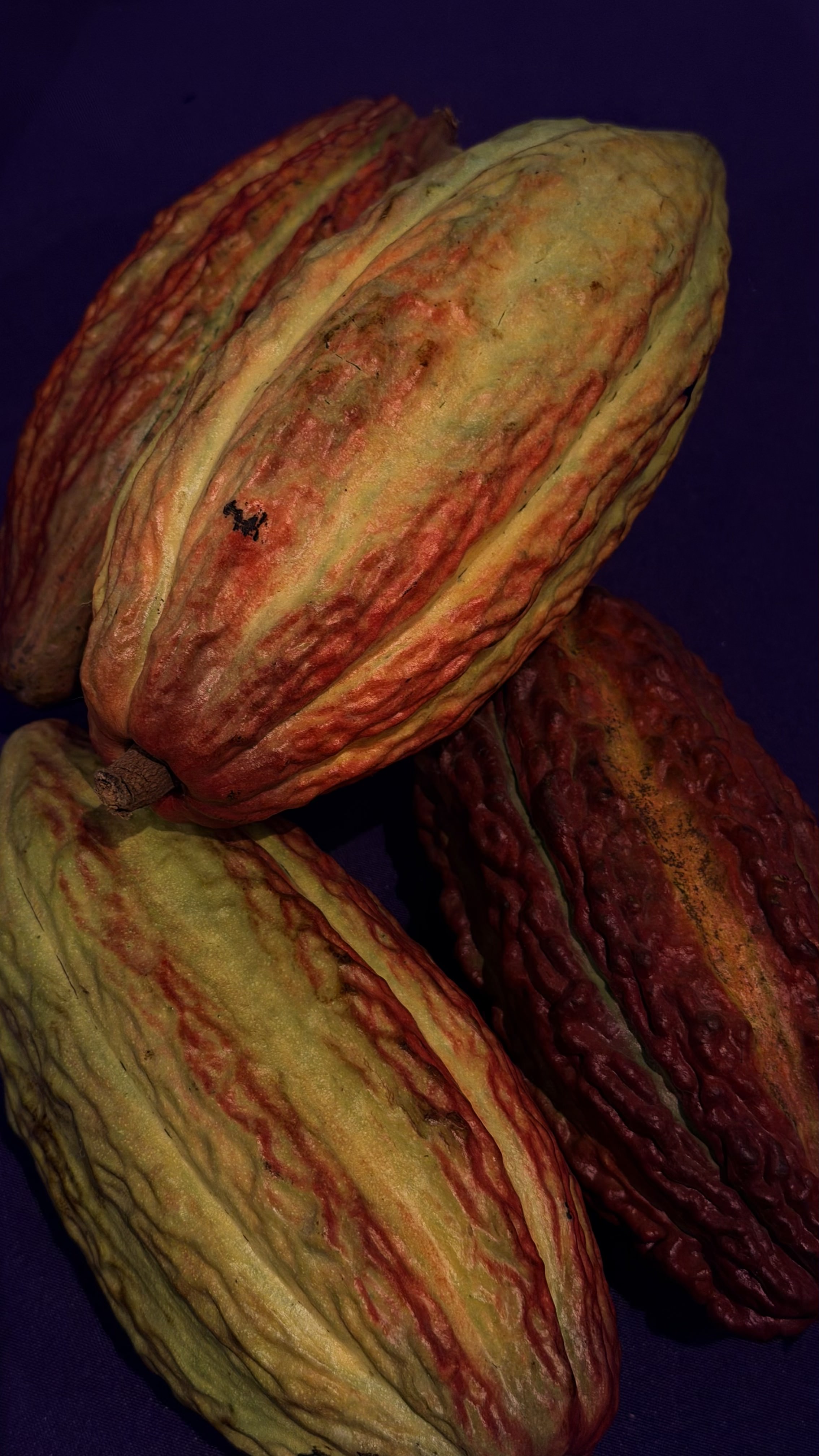
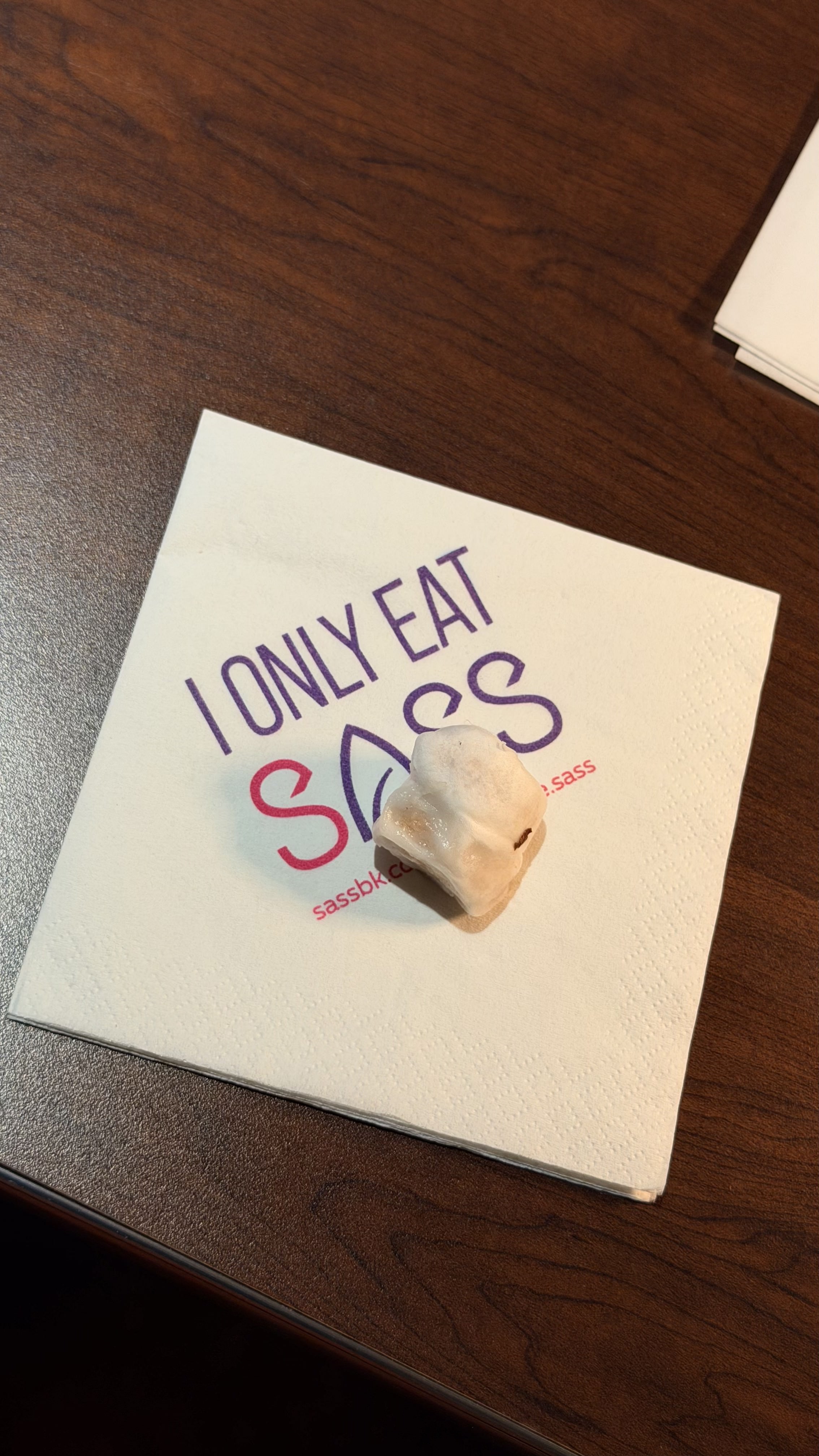
Cacao is native to Ecuador and used in indigenous practice throughout Central and South America. It has unfortunately become a product of exploitative colonial trade and is now grown in parts of Asia and Africa.
SASS sources its chocolate from a family-owned farm Hacienda Cacao y Mango in Ecuador– with our products being 68% Ecuadorian Chocolate. We’re inspired by our co-founder’s Mexican heritage and cacao’s deep-rooted chocolate traditions. We craft our chocolates with wellness first and SASS’ Mexican heritage top of mind: cacao cherished in Mesoamerican ceremony, trade, and cooking.
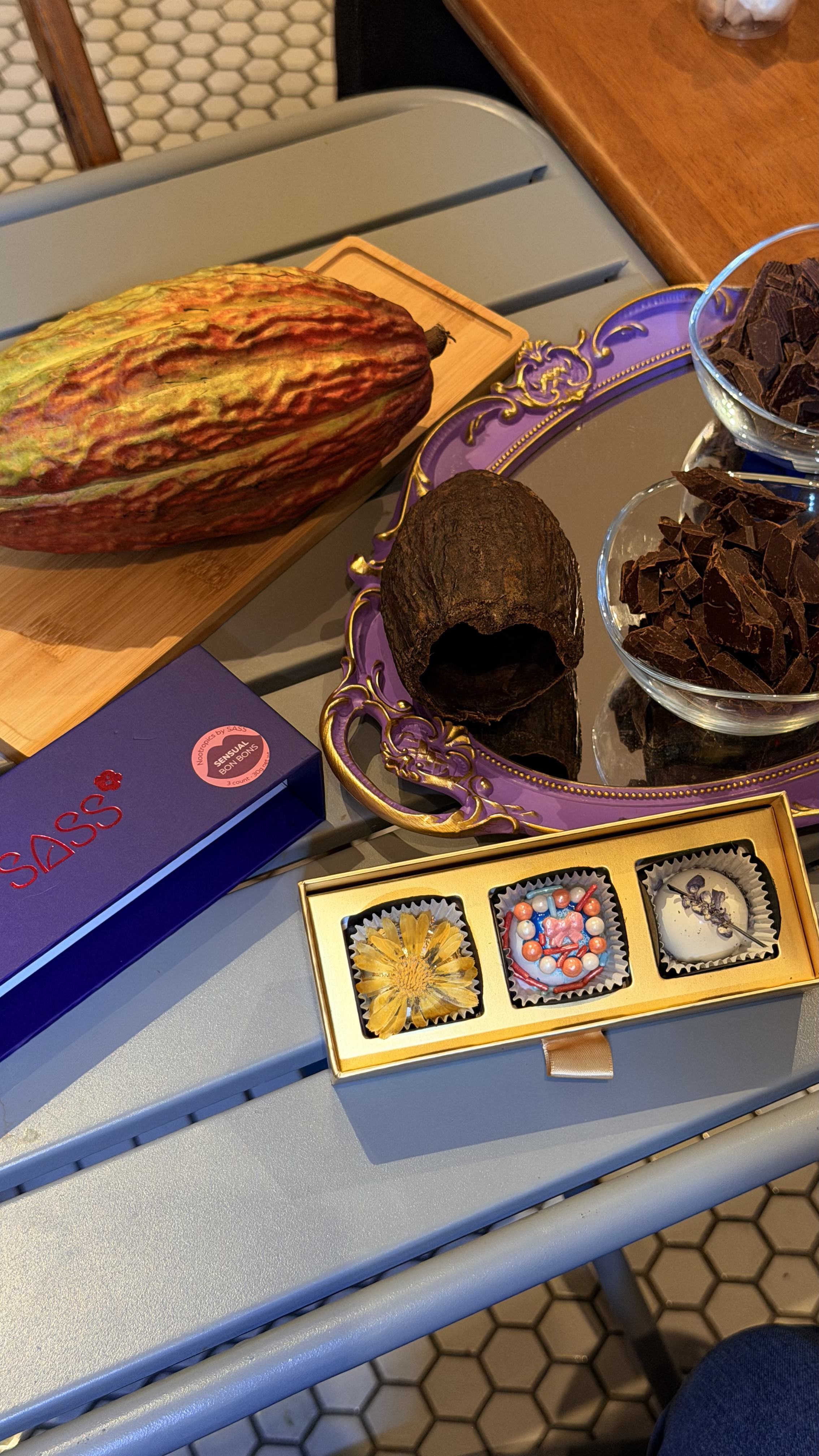
We take pride in not only using cacao that is ethically sourced and slave-trade free, but also in making chocolate that is real. Chocolate starts as a fruit, and though many Americans eat chocolate, they may never interact with (let alone eat) cacao.
Before chocolate gets into your hands, consider where the cacao is coming from.

This National Chocolate Day, we celebrated by filling some of our favorite rooms in Brooklyn to discuss the true history of cacao.
Led by SASS founder Mary Rosado and chocolatier Jen King, we started with an educational tasting and demo at SAA, sharing the process of how it’s grown, sampling real cacao fruit and chocolate (dark, milk, ruby and white) nib variations from around the world. Attendees delighted in turon dipped in tablea, arroz doce de chocolate, and jugo de cacao — representing chocolate culinary practices of the Philippines and Latin America. The evening concluded with the decoration of our FUNCTION chocolate bars and SENSUAL bonbons.
The next day we took the conversation to Hive Mind Books, focusing on cacao in beverage form. Attendees began by sipping on our noo brew FUNCTION Flat Fungi to energize the mind and UNWIND Lavender Cloud to calm the body made by HMB owner Jules Wernersbach. Then Mary kicked off the session with history and sampling the full variety. Guests then moved on to decorating bars and bonbons, discussing delicious details and deep history of cacao with their emotional support noo brew bevie.
Celebration cannot come without acknowledgement that: Chocolate, as we know it commercially, begins with slavery.
It was established by a US trade association that represents many popular brands in the confectionery industry. They have also been at the forefront defending trade loop holes in bills like the Tariff Act of 1930 that allowed goods made with forced labor to enter the U.S. if domestic production could not meet consumer demand. Under the Obama administration, Congress ended slave labor in cacao farming and production in 2016. Many popular companies still utilize slave labor to this day. SASS does not.
Cacao is native to Ecuador and used in indigenous practice throughout Central and South America. It has unfortunately become a product of exploitative colonial trade and is now grown in parts of Asia and Africa.
SASS sources its chocolate from a family-owned farm Hacienda Cacao y Mango in Ecuador– with our products being 68% Ecuadorian Chocolate. We’re inspired by our co-founder’s Mexican heritage and cacao’s deep-rooted chocolate traditions. We craft our chocolates with wellness first and SASS’ Mexican heritage top of mind: cacao cherished in Mesoamerican ceremony, trade, and cooking.
We take pride in not only using cacao that is ethically sourced and slave-trade free, but also in making chocolate that is real. Chocolate starts as a fruit, and though many Americans eat chocolate, they may never interact with (let alone eat) cacao.
Before chocolate gets into your hands, consider where the cacao is coming from.